Oral Surgery in Woodbridge
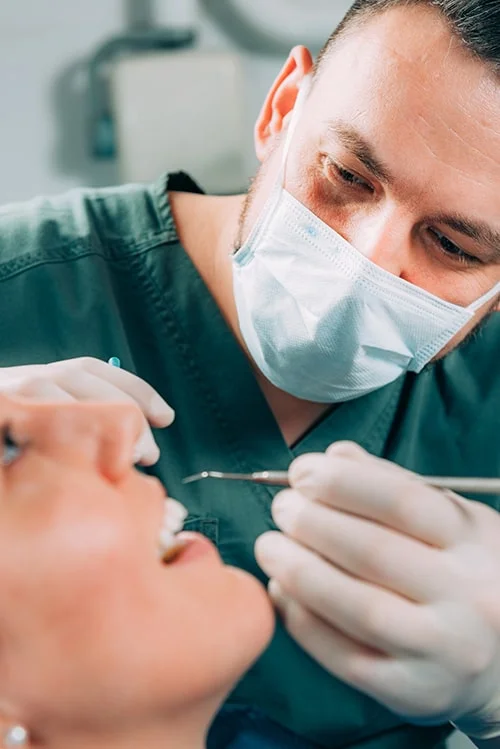

- Highly-trained oral surgeons in Woodbridge
- Equipped dental clinic and top-of-the-line equipment
- Advanced and exceptional dental care
- Free consultation
Oral Surgery Services at Our Woodbridge Clinic
Welcome to Peridot Dental Care. We proudly specialize in advanced oral surgery in Woodbridge. If you have received a recommendation for having a type of oral surgery procedure, we strongly advise you to visit our clinic promptly. Our skilled oral surgeons in Woodbridge are dedicated to delivering a full scope of successful and affordable oral surgeries, including tooth extraction, wisdom tooth extraction, dental implants, root canal therapy, all conveniently available at our clinic. If you are looking for professional yet affordable treatments such as dental implants in Woodbridge or endodontics in Woodbridge, do not hesitate to visit us; we are always here to help you.
The Advantages of Oral Surgery
Our expert dentist surgeons, who specialize in oral surgery in Woodbridge, stress the following benefits of oral surgery:
– Preserving your natural teeth by restoring their function and appearance through effective root canal therapy.
– Transforming and upgrading your smile through various cosmetic surgery procedures.
– Relieving dental discomfort experienced by individuals undergoing wisdom teeth extraction.
If you are seeking to enjoy these advantages, the highly skilled Woodbridge oral surgeons at Peridot Dental Care are always ready to help you. Our oral dental clinic is fully committed to delivering advanced oral surgery services in Woodbridge.
Various Oral Surgical Procedures
Oral surgery involves a diverse range of surgical interventions conducted by specialized professionals within or around the mouth tissues. These procedures encompass a wide spectrum, from simple extractions of teeth to intricate teeth implant placements. Among the most commonly encountered oral surgeries are:
- Extracting impacted wisdom teeth
- Performing root canal therapy
- Conducting bone grafting surgery
- Carrying out dental implant procedures
The successful execution of oral surgery, whether it is a straightforward or complex procedure, necessitates expertise and experience to ensure favorable results and minimize the likelihood of complications during the post-operative phase. At Peridot Dental Care, our Woodbridge oral and facial surgery specialists possess the requisite skills to diagnose and treat various oral and maxillofacial conditions through exceptional oral surgery.
Our highly-trained oral dentists have undergone extensive training in sedation dentistry techniques, guaranteeing stress-free dental visits for our valued patients. To arrange an appointment for emergency oral surgery near Woodbridge, please feel free to contact our office without delay. We can claim to have one of the best oral surgeons near Woodbridge and the surrounding area.
FAQs about Our Professional Oral Surgeries in Woodbridge
Since there are various ranges of oral surgeries, the number of patients who visit our clinic with a lot of questions about dental surgeries is countless. That is why our highly skilled professional dental surgeons in Woodbridge have provided a list of frequently asked questions in this regard.
What Are the Side Effects after Oral Surgeries?
Before undergoing oral surgery, it’s crucial to be aware of the potential minor complications associated with any surgical procedure. Our Woodbridge oral surgeon has compiled a list of these risks to provide you with relevant information:
Infection: It is essential to choose a highly skilled and experienced oral and maxillofacial surgeon for your procedure to minimize the risk of infection. However, if you notice unusual swelling or discharge of pus around the surgical sites, it is important to seek emergency dental care. In some cases, patients may also experience fever or an unpleasant taste in their mouth.
Jaw Fracture: During the extraction of wisdom teeth, there is a possibility of experiencing a painful jaw fracture. Individuals with thin or weak jaw bones are more susceptible to this complication during the necessary dental surgery.
How Much Do Oral Surgeries Cost?
What oral surgery can be done at a dental clinic?
Clinically reviewed by Dr. Elham Faghih Nasiri, dentist at Peridot Dental Care, registered with the Royal College of Dental Surgeons of Ontario (RCDSO). Last reviewed November 2026.
Many common oral surgery procedures are done safely in a general dental clinic, including surgical extractions, wisdom tooth removal, dental implant placement, small bone grafts and minor gum procedures. Complex jaw surgery, deeply impacted teeth close to a nerve and some medical cases are referred to a certified oral and maxillofacial surgeon.
At Peridot Dental Care, our dentists perform routine oral surgery in our Woodbridge clinic so you can be treated close to home by a team that already knows your mouth and medical history. Every procedure starts with a consultation and low-dose digital X-rays, and you will always know what is planned, why, and what the recovery looks like.
For a full overview of grafting and implant surgery, see our dental surgery page. If you only need a single tooth removed, our tooth extraction page explains the simpler process.
Which oral surgery procedures do we offer?
Surgical extractions
Teeth broken at the gumline or with difficult roots are removed in sections. See surgical extraction.
Dental implant placement
A titanium post is placed in the jaw to support a crown, bridge or denture. See dental implants.
Bone and socket grafting
Graft material rebuilds or preserves bone so an implant has a stable base.
Laser gum procedures
Gum contouring and tongue tie release with less bleeding. See laser dentistry.
Do you need an oral surgeon or a general dentist?
General dentists in Ontario are trained and registered by the Royal College of Dental Surgeons of Ontario (RCDSO) to perform many surgical procedures. Certified oral and maxillofacial surgeons complete extra hospital-based training for more complex surgery. The table below shows how we decide who should treat you.
| Situation | Usually treated at our clinic | Usually referred |
|---|---|---|
| Broken or decayed tooth removal | Yes | Rarely |
| Partly erupted or soft tissue impacted wisdom tooth | Yes | If very close to the nerve |
| Deep bony impaction near the nerve or sinus | Assessed here | Often |
| Single implant or small graft | Yes | Large grafts or sinus lifts may be |
| Jaw fracture, corrective jaw surgery, tumours | No | Yes, to a hospital-based surgeon |
If a referral is the safer path, we send your X-rays and notes and stay involved in your follow-up, tooth replacement and regular care.
How do we keep oral surgery comfortable?
- Profound local anaesthetic before any treatment begins, with time to let it work fully
- Nitrous oxide (laughing gas) for mild anxiety, which wears off within minutes
- Oral sedation or IV sedation for longer procedures or dental fear, explained on our dental sedation page
- Sectioning teeth rather than using force, which protects bone and reduces swelling
- Clear stop signals so you can pause at any time
What happens from consultation to recovery?
Consultation
We discuss your symptoms, medical history and medications, examine the area and take imaging.
Treatment plan
You receive a written plan with options, expected recovery time and an estimate of insurance coverage.
Procedure day
The area is numbed, sedation is given if chosen and the procedure is completed with regular check-ins.
Aftercare
You go home with gauze, instructions and a number to call. Most people rest for a day and return to work in one to three days.
Follow-up
We check healing when needed and plan the next step, such as an implant, dental bridge or denture.
What helps healing after oral surgery?
- Bite on gauze for 30 to 45 minutes and rest with your head raised on the first day.
- Use cold packs for the first 24 to 48 hours, then warm compresses for stiffness.
- Skip straws, smoking, vaping and hard spitting for at least 72 hours.
- Rinse gently with warm salt water after meals from day 2.
- Eat soft foods and keep brushing your other teeth normally.
- Call us for bleeding that will not stop, fever, worsening pain after day 3 or swelling that keeps growing.
How are implants and bone grafts planned?
Implant surgery is planned digitally before the day of treatment. A 3D scan shows the height and width of the bone, the position of nerves and the sinus, and the angle the implant should take to support a natural-looking crown.
Assessment
We check your gums, bite and general health, and confirm whether the bone is thick enough for an implant.
Grafting if needed
If bone is thin, a graft is placed first or at the same time as the implant to give it a stable base.
Implant placement
Under local anaesthetic, the implant post is placed into the jaw through a small opening in the gum. Most people describe it as easier than an extraction.
Healing
Over about three to six months, the bone bonds to the implant. A temporary tooth can often be worn in the meantime.
Final crown
A custom crown, bridge or denture is attached once the implant is stable. Learn more on our dental implants page.
Which health conditions affect oral surgery?
Your general health shapes how surgery is planned. Tell us about all conditions and medications, even if they seem unrelated to your teeth.
| Condition or medicine | Why it matters | What we do |
|---|---|---|
| Blood thinners | Can increase bleeding | Plan with your doctor; most people stay on their medication |
| Diabetes | Can slow healing and raise infection risk | Check your recent control and book morning visits |
| Bone medications | Some drugs affect jaw healing | Review your history before any extraction or implant |
| Heart conditions | Some need extra precautions | Follow current guidance and consult your physician if needed |
| Smoking or vaping | Raises the risk of dry socket and implant failure | Advise stopping before and after surgery |
| Pregnancy | Elective surgery is usually postponed | Treat urgent infection safely and plan the rest after delivery |
What are the signs you may need oral surgery?
- A tooth that is broken at the gumline or too damaged to repair
- Pain, swelling or repeated infection around a wisdom tooth
- A missing tooth you would like replaced with an implant
- Teeth that need to be removed before braces or aligners
- A loose tooth from advanced gum disease
- A tight tongue tie or lip tie affecting speech, eating or gum health
If any of these sound familiar, book a consultation. We will explain whether surgery is needed, what alternatives exist and how recovery will fit around work, school and family. Sudden swelling, fever or pain that wakes you at night should be seen quickly through our emergency dentist service.
Where is oral surgery done near Woodbridge?
Routine oral surgery is done at Peridot Dental Care, 6175 Highway 7 West, Unit 7, Woodbridge, with free parking at the door. Patients come from Vaughan, Kleinburg, Maple, Concord and Brampton. Consultations are available on weekdays, evenings and Saturdays, and urgent problems are seen as quickly as possible. Call 647-313-4164 or book online to arrange your visit.
Oral surgery questions
Is oral surgery at a dental clinic safe?
Yes, for routine procedures. Ontario dentists follow RCDSO standards for infection control, sedation and emergency preparedness, and complex cases are referred to a hospital-based surgeon.
Will I be asleep?
Most procedures use local anaesthetic, so you are awake but comfortable. Nitrous oxide, oral sedation and IV sedation are available if you prefer to feel more relaxed.
How long does recovery take?
Most people feel much better in three to five days. Surgical extractions and implants can take about a week before chewing feels normal on that side.
Can I eat before oral surgery?
With local anaesthetic, eat a light meal beforehand. If you are having oral or IV sedation, follow the fasting instructions you are given.
Do I need a referral to book?
No. You can book a consultation directly. If you were referred by another dentist, bring any X-rays or notes you have.
Will insurance cover oral surgery?
Most plans cover extractions and many cover part of implant surgery. The Canadian Dental Care Plan (CDCP) covers many extractions. We confirm coverage before treatment.
This page is general information and is not a diagnosis. Your dentist will recommend treatment after an examination. Reviewed by Dr. Elham Faghih Nasiri, November 2026.
Book a visit at Peridot Dental Care
6175 Highway 7 West, Unit 7, Woodbridge, ON L4H 0P6. New patients welcome. Read patient reviews.
Related dental care
Explore other treatments that are often planned alongside this one, or book a visit at 6175 Highway 7 West, Unit 7, Woodbridge. Call 647-313-4164.