Pediatric dentistry in Woodbridge

Pediatric Dentistry in Woodbridge: Gentle Dental Care for Kids and Teens

Pediatric dentistry in Woodbridge is dental care made for babies, children and teens: checkups, cleanings, fluoride, sealants, fillings and early bite checks, delivered at a child’s pace. Most kids’ dental problems, like early cavities or crowding, are common and easy to treat when they’re found early. Peridot Dental Care is a family dental clinic in Woodbridge that parents trust for children’s care, with a 4.9 Google rating from 165+ reviews.

If your child is scared, or you are (it happens), you’re in the right place. Our kids dentistry visits are short, friendly and explained in words kids understand.

Kids promotions availableNew and CDCP patients welcomeEvening and weekend visitsBraces and Invisalign for teens
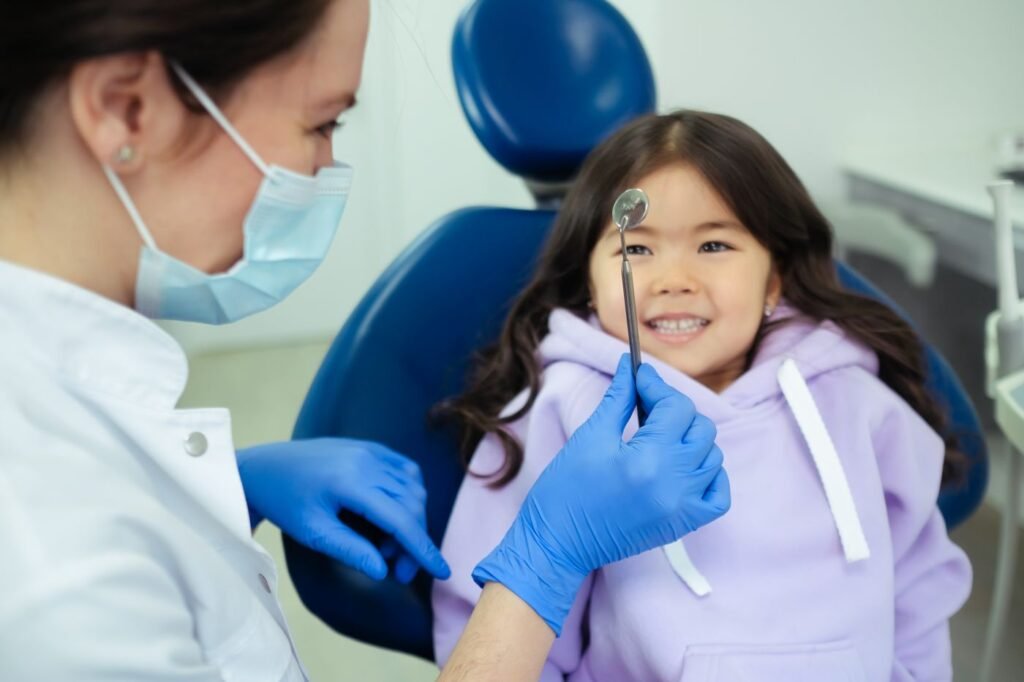
Pediatric dentist in Woodbridge with a smiling child during a checkup
4.9 ★ Google ratingfrom 165+ patient reviews
What is pediatric dentistry?

Quick answer

Pediatric dentistry is the branch of dentistry focused on oral health from infancy through the teen years. It covers prevention, treatment of cavities and injuries, monitoring jaw growth and bite development, and helping kids feel safe at the dentist so good habits last into adulthood.

Some children need extra help to relax. For them, safe dental sedation for kids may be an option after a full health review.

Around age 7, we also check how the bite is developing. If teeth are crowding, an orthodontist in Woodbridge assessment helps plan the right timing.

Kids fall off bikes and get hit by hockey pucks. When that happens, call our emergency dentist in Woodbridge line right away.

Children’s care here is provided by dentists registered with the Royal College of Dental Surgeons of Ontario (RCDSO). For complex medical or behavioural needs, we refer to a certified pediatric dental specialist and stay involved.

Children's dental checkup at a pediatric dental clinic in Woodbridge

When should your child see the dentist? An age-by-age guide

The Canadian Dental Association recommends the first visit within 6 months of the first tooth, or by age 1. After that, here's what each stage looks like.

AgeWhat usually happensWhat we watch for
6 months to 2 yearsLap exam, gentle brushing, fluoride advice for parentsEarly decay from bottles and night feeding
3 to 5 yearsFull exam, first cleaning, fluoride varnishCavities between back teeth, thumb sucking
6 to 8 yearsFirst adult molars arrive; sealantsGrooves that trap food, early crowding
7 to 9 yearsOrthodontic screeningCrossbites, overbites, jaw growth
10 to 12 yearsBaby teeth shed; possible braces or alignersTeeth erupting out of position
13 to 18 yearsBraces or Invisalign, sports guards, wisdom tooth checksDecay from snacks and drinks, gum inflammation

Why do baby teeth matter if they fall out anyway?

Short answer

Baby teeth help children chew, speak clearly and hold space for adult teeth. Some baby molars stay in the mouth until age 10 to 12, so a cavity there can cause years of pain or infection if it is left alone.

Losing a baby tooth too early lets the neighbouring teeth drift into the gap. Then the adult tooth has nowhere to go and comes in crooked, which can mean braces later.

An infected baby tooth can also affect the adult tooth developing just under it, leaving white or brown marks on the new enamel.

So yes, we fill baby teeth. Usually it’s a small, quick tooth-coloured filling, and catching decay early keeps it that way.

What dental services do kids need?

Most children need only the first few. The rest are here so you know what's available.

01

Checkups and cleanings

Gentle exams and polishing every 6 months, plus X-rays only when needed.

02

Fluoride varnish

A quick painted-on layer that hardens enamel and helps stop early decay.

03

Sealants

Thin protective coatings on the grooves of back molars, where most kids' cavities start.

04

Tooth-coloured fillings

White fillings to repair cavities in baby and adult teeth.

05

Baby tooth nerve treatment

A pulpotomy can save a baby molar with a deep cavity until the adult tooth is ready.

06

Space maintainers

Hold space when a baby tooth is lost early so adult teeth come in straight.

07

Orthodontic care

Early assessments, braces and clear aligners for growing smiles.

08

Sports mouthguards

Custom guards that protect teeth during hockey, soccer and martial arts.

09

Emergency care

Help for toothaches, chipped teeth and knocked-out teeth.

What happens at a child's first dental visit?

Most first visits take about 30 minutes, and plenty of that is talking.

  1. Meet and greet

    Your child sees the room, sits in the chair (or on your lap) and gets to touch the mirror.

  2. Tell, show, do

    We explain each tool in kid words. "Mr. Thirsty" is the suction. The mirror is the tooth counter.

  3. Gentle exam

    We count teeth, check gums and bite, and look for early signs of decay.

  4. Cleaning and fluoride

    A soft polish and a quick fluoride coat, if your child is ready for it.

  5. Parent talk

    Brushing tips, snack habits, bottles, thumb sucking and anything else on your mind.

  6. Plan the next visit

    Usually in 6 months. A sticker on the way out is pretty much mandatory.

Kids playing dentist at home to prepare for a pediatric dental visit in Woodbridge

How do you prepare your child for the dentist?

Kids take their cues from you. A calm, matter-of-fact tone does more than any pep talk.

Before the visit

  • Read a picture book about going to the dentist
  • Play dentist at home: count your child’s teeth with a toothbrush, then let them count yours
  • Book a morning slot or a time after a nap, when your child is rested
  • Bring a favourite toy or blanket

Words to skip

Avoid “hurt,” “needle,” “drill” and “it won’t be scary.” Kids hear the scary word and miss the rest. Let us explain things in our own kid-friendly language.

After the visit

Praise the effort, even if the visit was short. A first visit where your child only sits in the chair still counts as a win.

What causes cavities in children?

Cavities happen when mouth bacteria feed on sugar and make acid that softens enamel. Kids are extra prone because baby tooth enamel is thinner than adult enamel.

  • Frequent snacking and sipping. Each sugary snack starts a fresh acid attack lasting about 20 minutes.
  • Sticky foods. Gummies, raisins and fruit leather cling to the grooves of back teeth.
  • Bedtime bottles or sippy cups. Milk and juice sit on the teeth all night.
  • Missed brushing at night. Saliva flow drops during sleep, so plaque does more damage.
  • Shared spoons and cups. Decay-causing bacteria can pass from parent to child.

Fluoride toothpaste, water between meals and sealants on new molars cut that risk a lot.

What are the signs your child needs to see a dentist?

Some of these mean booking soon. A few mean calling today.

01

White chalky or brown spots

Often early decay, especially along the gumline of front teeth.

02

Complaints when eating or drinking

Sensitivity to cold or sweets can point to a cavity.

03

Swelling or a pimple on the gum

A sign of infection that needs attention the same day.

04

A chipped or knocked tooth

Even if it looks fine, the nerve or root can be injured.

05

Thumb sucking after age 4

Can push teeth forward and affect the bite.

06

Snoring or mouth breathing

Sometimes linked to bite and jaw development; worth mentioning at the next visit.

Safety note: if an adult tooth is knocked out, hold it by the crown, rinse it briefly, put it back in the socket or store it in milk, and call right away. Never put a knocked-out baby tooth back in. Facial swelling with fever, or swelling near the eye, needs urgent medical care.

What should you do in a kids' dental emergency?

Stay calm, then follow these first steps and call us.

01

Toothache

Rinse with warm water, gently floss to remove trapped food, and give child-dose pain relief if needed. Never put aspirin on the gum.

02

Chipped tooth

Save any pieces in milk, rinse the mouth and use a cold compress for swelling.

03

Knocked-out baby tooth

Don't put it back. Press gauze on the area to stop bleeding and call for an exam.

04

Knocked-out adult tooth

Pick it up by the crown, rinse briefly, place it back or store in milk, and get to a dentist within 30 to 60 minutes.

05

Cut lip or tongue

Apply gentle pressure with clean gauze. Bleeding that won't stop after 15 minutes needs urgent care.

06

Swollen face

Call the same day. Swelling near the eye, fever or trouble swallowing needs the hospital first.

What do real pediatric dental cases look like?

Typical situations parents bring us, with details changed for privacy.

Toddler, age 2

Brown spots on the top front teeth

A nighttime milk bottle habit. Fluoride varnish, a plan to move to water at bedtime and a 3-month check stopped the decay from spreading.

Child, age 6

Nervous after a bad experience elsewhere

2 short visits just to sit in the chair and play with the mirror. The fillings were done on the third visit, calmly, with nitrous oxide.

Child, age 8

Upper and lower teeth biting in a crossbite

An early orthodontic assessment found a narrow upper jaw. A short phase of treatment guided growth before adult teeth crowded in.

Teen, age 14

Chipped front tooth from a hockey stick

Same-day bonding restored the tooth, and a custom sports guard was made for the rest of the season.

What are the biggest myths about children's dentistry and sedation?

Parents hear a lot of conflicting advice. Here's what the evidence supports.

Myth

Baby teeth don't need fillings because they fall out.

Fact

Some baby molars stay until age 10 to 12. Untreated decay can cause pain, infection and damage to the adult tooth forming underneath.

Myth

Kids should wait until age 3 for a first visit.

Fact

The first visit should be by age 1. Early childhood decay can start as soon as teeth appear.

Myth

Sedation means a child is put fully to sleep.

Fact

Most dental sedation for kids, like nitrous oxide, keeps them awake, calm and able to respond. General anesthesia is a separate level of care, done in a hospital or specialized facility.

Myth

Sedation is risky for every child.

Fact

For healthy children who are properly assessed, dosed by weight and monitored by trained professionals, mild sedation has a strong safety record. It isn't right for every child, which is why we review health history first.

Myth

Fruit juice is a healthy drink for teeth.

Fact

Juice is high in natural sugar and acid. Water and milk are better choices between meals.

Myth

If my child isn't complaining, their teeth are fine.

Fact

Cavities are usually painless until they're deep. Regular exams catch them while they're small.

When is sedation used for children, and how is it kept safe?

Quick answer

Sedation is used when a child is very anxious, very young, has special needs or needs longer treatment. The most common option is nitrous oxide (laughing gas), which wears off within minutes after the mask is removed. Any sedation starts with a medical history review and is monitored throughout the visit.

Our safety checklist

  • Full medical history, medications and allergies reviewed with the parent
  • Clear fasting instructions when the type of sedation requires them
  • Dosing based on the child’s weight and health
  • Continuous monitoring by trained, RCDSO-registered staff
  • A parent present for recovery and written aftercare instructions

We always try comfort techniques first: short visits, distraction and plenty of breaks. We treat sedation as one option among several. Some children with medical conditions are better treated by a pediatric specialist or in a hospital setting. If that’s the case, we’ll explain why and help arrange it.

Invisalign vs braces for kids and teens: which is better?

Both move teeth well. Age, bite and how reliably your child will wear removable trays make the difference.

FactorInvisalign clear alignersTraditional braces
Best ageUsually teens with most adult teeth inPre-teens and teens; works at most ages
VisibilityNearly invisibleVisible brackets and wires
RemovableYes, for eating and brushingNo
Wear needed20 to 22 hours dailyAlways on, no effort needed
Food rulesNone while trays are outNo hard, sticky or chewy foods
SportsRemove and wear a mouthguardWear an orthodontic mouthguard
Best forMild to moderate crowding and spacingComplex bites and rotations

Ask about our special promotions for braces consultations. We'll show you both options for your child's teeth before you choose.

Is thumb sucking or a pacifier bad for teeth?

Up to about age 3 or 4, it’s normal and usually harmless. Most kids stop on their own.

After that, a strong, frequent habit can push the front teeth forward, open a gap between the upper and lower teeth, or narrow the upper jaw. We’ll check for these changes at each visit.

Praise and gentle reminders work better than punishment. If the habit continues past age 5, we can talk through simple options and whether an early orthodontic check makes sense.

What mistakes do parents commonly make with kids' teeth?

Every parent is busy. These are the habits we see most often, and they’re easy to fix.

  • Putting a child to bed with milk or juice. Sugars pool around the teeth all night.
  • Letting kids brush alone too early. Most children need help until about age 8.
  • Waiting for pain before booking. Small cavities don’t hurt.
  • Constant sipping and snacking. Frequency matters more than the amount of sugar.
  • Skipping mouthguards. Most sports dental injuries are preventable.
  • Using adult amounts of toothpaste on toddlers. Under 3, a rice-grain smear of fluoride toothpaste is enough.

How can you protect your child's teeth at every age?

Simple habits, sorted by age.

0-2

Babies to age 2

Wipe gums after feeds, brush the first tooth with a rice-grain smear of fluoride toothpaste, and skip bedtime bottles.

3-5

Ages 3 to 5

Pea-sized toothpaste, brush twice a day with help, start flossing where teeth touch.

6-12

Ages 6 to 12

Ask about sealants on new molars, keep snacks to set times, use a sports guard.

13+

Teens

Water over pop and energy drinks, extra care with braces, regular cleanings.

How do you choose the right kids dentist in Woodbridge?

Quick answer

Look for a clinic that sees children regularly, explains things in kid-friendly language, lets parents stay in the room, offers comfort options including sedation when appropriate, and has dentists registered with the RCDSO.

Questions to ask before you book

  • How often do you treat young children?
  • Can I stay with my child during the visit?
  • What do you do if my child gets upset?
  • Do you offer evening or weekend appointments?
  • Do you accept CDCP for children?
  • Do you check bite development and offer braces or Invisalign?

The best dentist in Woodbridge for your child is one they’re happy to visit again. If the first visit ends with a smile, you’ve probably found it.

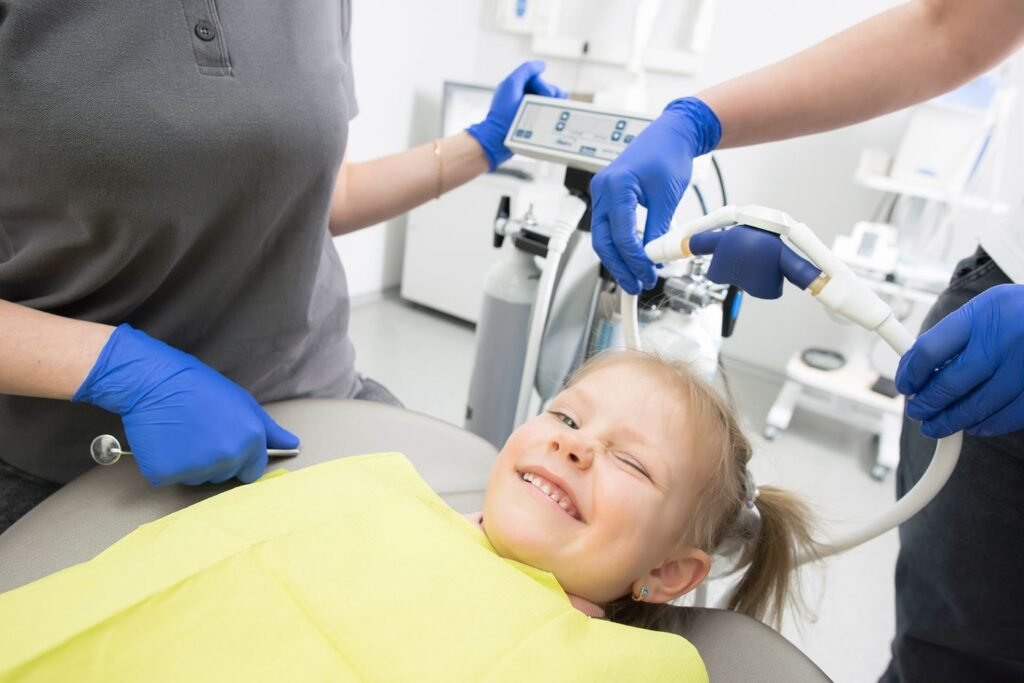
Cheerful child in the dental chair receiving pediatric dental care in Woodbridge

Does CDCP cover children's dental care in Woodbridge?

Quick answer

Yes, for eligible families. The Canadian Dental Care Plan helps pay for care for children under 18 in families without dental insurance and with an adjusted family net income under $90,000. Peridot Dental Care accepts CDCP patients.

For kids, CDCP typically covers the services they need most: exams, X-rays, cleanings, fluoride, sealants, fillings and, in some cases, extractions or nerve treatment on baby teeth. Some services need approval first, and depending on your income there may be a co-payment.

Bring your child’s CDCP member card or member ID to the visit. We’ll confirm what’s covered before treatment, so you know exactly what to expect at checkout.

How do you keep a toddler's teeth clean when they hate brushing?

Every parent has wrestled a 2-year-old with a toothbrush. A few tricks help.

  • Lap position. Sit on the floor with your child lying back, head in your lap. You can see every tooth.
  • Let them go first. They brush, then you “check” and finish the job.
  • Use a 2-minute song. The same song every night makes it a routine.
  • Brush a toy’s teeth. Teddy gets a turn, then it’s your child’s turn.
  • Pick their own brush. A favourite colour or character buys a lot of cooperation.

Some nights will still be a battle. That’s normal. Consistency matters more than any single perfect brushing.

Ready for your child's next checkup?

Call our dental office in Woodbridge at +1 647-313-4164 or email info@peridotdentalcare.com. Ask about our special promotions for kids and our evening and weekend times.

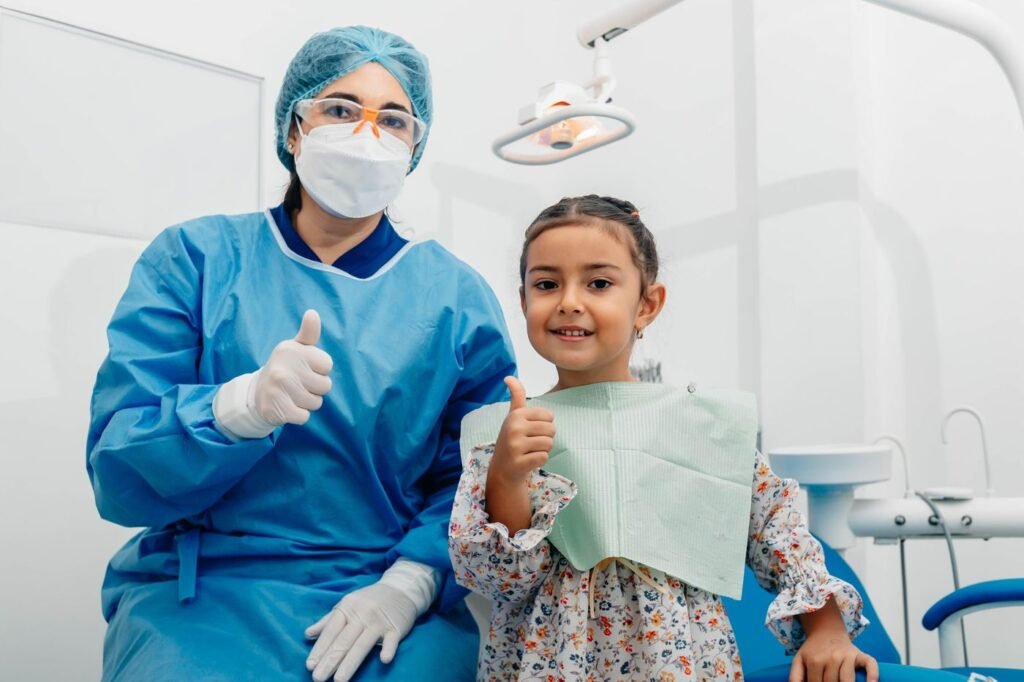
Child giving a thumbs up after a visit to a kids dentist in Woodbridge

Why do Woodbridge parents choose Peridot Dental Care?

Parents looking for a top dentist in Woodbridge for their kids tend to ask friends first, then check reviews. Peridot Dental Care holds a 4.9 Google rating from 165+ patient reviews, and pediatric dentistry is one of the things families mention most.

  • Kid-friendly care. Short visits, gentle explanations and lots of patience.
  • Special promotions for kids. Ask about current offers for young children.
  • Orthodontic solutions. Early bite checks, braces and Invisalign for teens.
  • New and CDCP patients accepted. Eligible children can use the Canadian Dental Care Plan for covered care.
  • The whole family in one place. Parents can book alongside kids, and grandparents 65+ get a 20% senior discount.
  • Evening and weekend appointments. No pulling kids out of school.
  • Easy to reach. 6175 Highway 7 West, Unit 7, Woodbridge, Ontario.

And when accidents happen, we’re also an emergency dental clinic in Woodbridge that sees injured kids as quickly as we can.

Pediatric dentistry in Woodbridge: frequently asked questions

When should my child have their first dental visit?

The first visit should happen within 6 months of the first tooth coming in, or by your child's first birthday. Early visits are short and focus on comfort, prevention and parent guidance.

Can I stay with my child during the appointment?

Yes. Parents are welcome to stay in the room, and younger children are often examined while sitting on a parent's lap.

Is laughing gas safe for children?

Nitrous oxide is one of the most widely used and safest forms of dental sedation for children when it is given and monitored by trained professionals. It wears off within minutes after the mask is removed.

Does CDCP cover children's dental care?

Yes, for eligible families. The Canadian Dental Care Plan covers services such as exams, cleanings, fluoride, sealants and fillings for children under 18, subject to plan rules.

At what age should my child be checked for braces?

An orthodontic screening around age 7 is recommended. Many kids won't need treatment yet, but early checks catch crossbites and jaw growth issues while they are easier to guide.

Conclusion

Early, gentle dental visits help children avoid painful problems and grow up comfortable at the dentist. Starting by age 1, protecting new molars and checking the bite around age 7 make a real difference over time. Peridot Dental Care is ready to welcome your child with patient, friendly care in Woodbridge.

This page is general information and does not replace an in-person dental assessment. Our clinic provides children's dental care through general dentists registered with the RCDSO; complex cases may be referred to a certified pediatric dental specialist.