Healthy teeth and gums start with good daily habits and regular professional cleanings. Our hygiene team at Peridot Dental Care helps you prevent cavities and gum disease, and makes your home routine simpler and more effective.
Good oral hygiene means brushing twice a day with fluoride toothpaste, cleaning between your teeth daily and having a professional cleaning and checkup about every six months. Cleanings remove tartar you cannot brush away, protect your gums and let your dentist catch problems early.
Small habits repeated every day protect your teeth far more than any single appointment. This is the routine our hygienists recommend.
Soft brush, fluoride toothpaste, gentle circles at the gumline. Spit, do not rinse, so fluoride keeps working.
Floss, interdental brushes or a water flosser. Read how to choose an interdental cleaning tool.
Water rinses away food and acid and keeps saliva flowing. Save sweets for mealtimes.
Night brushing matters most. A tongue scraper helps with fresh breath.
Want to check your technique? See the ideal brushing technique for adults.

We update your medical history and ask about sensitivity, bleeding or other concerns.
Small measurements around each tooth show whether gum pockets are healthy or getting deeper.
Ultrasonic and hand instruments remove plaque and tartar above and below the gumline.
Surface stains are polished away and every contact is flossed.
Fluoride may be applied, then your dentist checks for decay, cracks and oral cancer signs, with digital X-rays when needed.
Gum disease develops slowly and is often painless, which is why regular checks matter. Understanding the stages helps you act early.
| Stage | What you might notice | Typical treatment |
|---|---|---|
| Healthy gums | Pink, firm gums with no bleeding | Cleanings every six months |
| Gingivitis | Red, puffy gums that bleed when brushing | Professional cleaning and better home care, fully reversible |
| Early periodontitis | Bleeding, bad breath, gums pulling back | Scaling and root planing, sometimes laser gum care |
| Advanced periodontitis | Loose teeth, changing bite, gum abscess | Deep cleaning, specialist care, possible surgery |
Start brushing with the first tooth using a smear of fluoride toothpaste. Help children brush until about age eight. See our kids dentistry page and how often children need cleanings.
Brackets trap plaque, so use an interdental brush and a water flosser. Ask about braces care.
Watch for dry mouth from medications, root sensitivity and wear. Clean dentures and implants every day.

A cleaning and checkup costs far less than treating the problems it prevents. A small cavity found early needs a simple filling, while the same cavity left for a year may need a root canal and a crown. Gum disease caught at the gingivitis stage can be reversed with a cleaning, while advanced gum disease can lead to tooth loss.
Most dental insurance plans cover two cleanings and checkups each year, and many families also qualify for the Canadian Dental Care Plan. We bill most insurers directly. Read the benefits of regular professional cleanings for more.
Bad breath is one of the most common reasons people ask us about hygiene. In most cases it starts with bacteria on the back of the tongue and between the teeth. Cleaning your tongue, flossing daily, staying hydrated and treating any gum disease usually solves it. If it persists, we will look for other causes such as dry mouth, an old filling that traps food or a sinus problem. Find more ideas in foods that naturally fight bad breath.
The dental aisle can be confusing. For most people, a soft-bristled manual or electric toothbrush, a fluoride toothpaste and one interdental cleaning tool are all you need. Whitening and charcoal toothpastes can be abrasive, so use them sparingly. Alcohol-free mouthwash can help freshen breath and reduce plaque, but it does not replace brushing or flossing. If your teeth are sensitive, a toothpaste for sensitive teeth used for a few weeks often makes a real difference. Bring your products to your next visit and we will tell you what to keep.
Most people should have a professional cleaning and checkup every six months. If you have gum disease, diabetes, braces, implants or build up tartar quickly, your hygienist may recommend every three or four months.
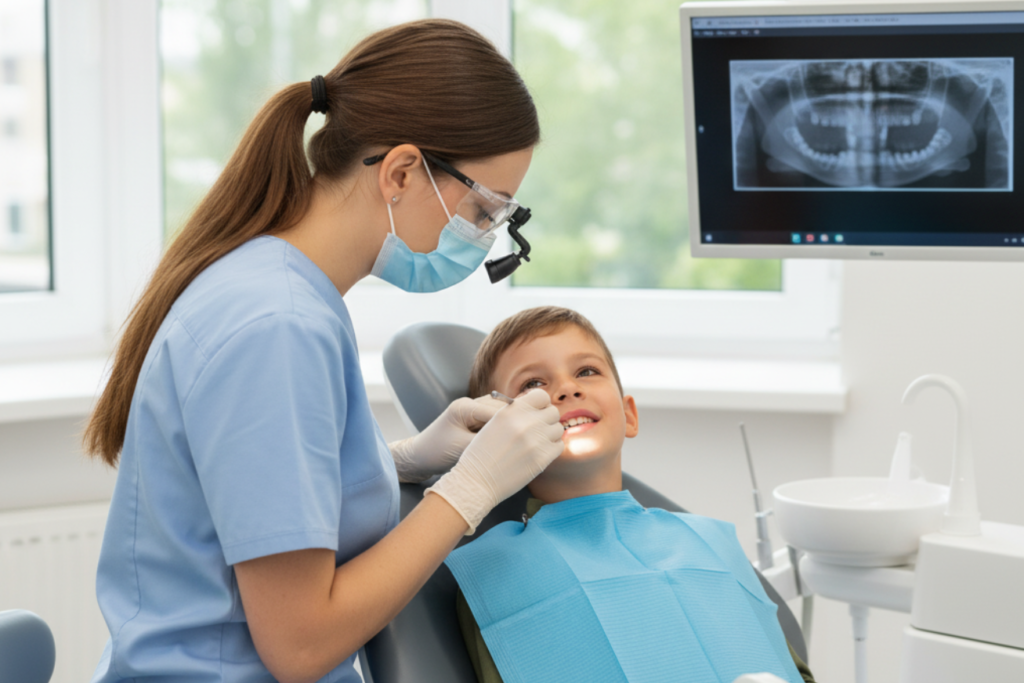
A hygienist checks your gums, removes plaque and hardened tartar above and below the gumline, polishes your teeth, flosses, may apply fluoride and gives you personalised home care advice. The dentist then examines your teeth.
Brush twice a day for two minutes with a soft-bristled brush and fluoride toothpaste. Angle the bristles at 45 degrees toward the gumline and use gentle circles, cleaning the outer, inner and chewing surfaces of every tooth.
Yes. A toothbrush cannot reach between teeth, where many cavities and gum problems start. Floss, interdental brushes or a water flosser once a day all help, so choose the one you will use consistently.
Bleeding gums are usually a sign of gingivitis caused by plaque along the gumline. Gentle, thorough brushing, daily flossing and a professional cleaning typically stop the bleeding within a couple of weeks.
Both work well when used properly. Many people find electric brushes with a two-minute timer and pressure sensor make it easier to clean thoroughly without brushing too hard.
Most bad breath comes from bacteria on the tongue and between teeth. Other causes include gum disease, dry mouth, certain foods, smoking and some medical conditions. Cleaning your tongue and regular dental visits help.
Book a hygiene visit at Peridot Dental Care, 6175 Highway 7 West, Unit 7, Woodbridge. We serve families from Woodbridge, Vaughan, Kleinburg, Maple and Concord.
Reviewed by the clinical team at Peridot Dental Care. General information only, not a substitute for an exam by an RCDSO-registered dentist or registered dental hygienist. Last updated October 2026.