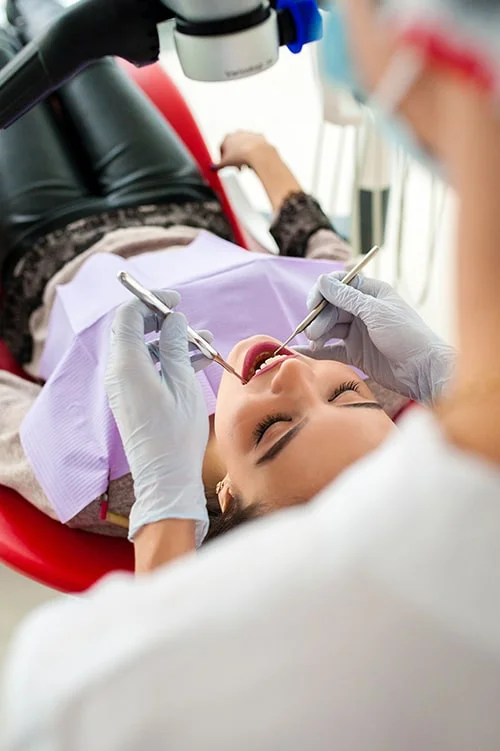
If the thought of the dentist makes your heart race, you are far from alone. Sedation dentistry at Peridot Dental Care helps you feel calm and comfortable, so you can finally get the care you have been putting off.
Dental sedation uses medication to help you relax during treatment. Depending on your needs, options can include nitrous oxide (laughing gas) and oral sedation, with deeper IV sedation arranged for some procedures. You are monitored throughout, most people stay awake but deeply relaxed, and you will need a ride home after oral or IV sedation.
Not every option suits every patient or procedure, and availability can vary, so we confirm what is right for you at your consultation. The right level of sedation depends on how anxious you feel, the length of the procedure and your health. We will go through your medical history and help you choose.
A light, sweet-smelling gas breathed through a small nose mask. It works within minutes, wears off quickly, and most adults can drive themselves home afterwards.
A prescribed pill taken before your appointment. You feel drowsy and relaxed, often remember little of the visit, and need someone to drive you home.
Medication given through a small IV line for deeper relaxation during longer procedures such as wisdom tooth removal or dental implants. When IV sedation is the best fit, we arrange it with a permitted provider or refer you.
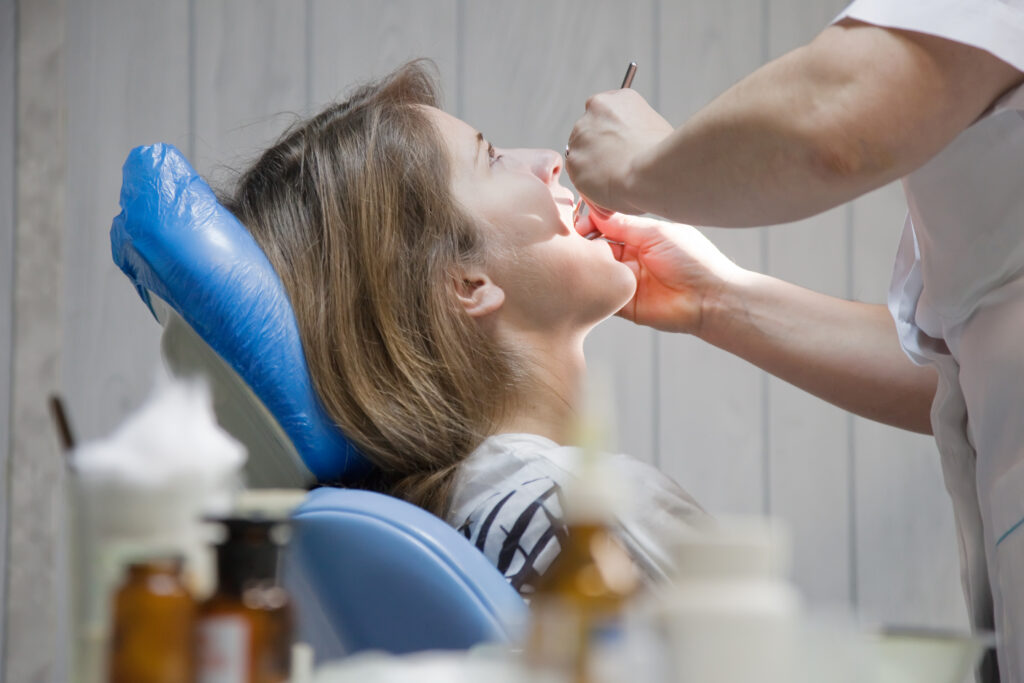
Sedation is not only for people with severe fear. Many patients choose it simply to make a long appointment easier.
Read more in dental sedation explained and how safe are sedation options for adults.
We review your medical history, medications, allergies and any past reactions, and talk through what worries you most.
You receive clear instructions about eating, drinking, medications and arranging a ride, if needed.
Your breathing, oxygen level and heart rate are monitored while the dentist completes the procedure. Local freezing is still used for comfort.
You rest until you are steady, then go home with a companion and written aftercare instructions.
| Nitrous oxide | Oral sedation | IV sedation | |
|---|---|---|---|
| How it is given | Breathed through a nose mask | Pill before the visit | Through a small IV line |
| Level of relaxation | Mild | Moderate | Moderate to deep |
| Starts working | Within minutes | About 30 to 60 minutes | Within minutes |
| Recovery | Minutes | Several hours | Several hours |
| Drive yourself home | Usually yes | No | No |
| Common uses | Cleanings, fillings, kids | Anxiety, longer visits | Surgery, implants, wisdom teeth |
Every sedation plan starts with a careful review of your health. Some conditions, such as sleep apnea, certain heart or lung problems, pregnancy and some medications, may change which options are safe for you. We follow the standards of the Royal College of Dental Surgeons of Ontario for sedation, including monitoring equipment and trained staff.
Be open with us about your health, alcohol use and any supplements you take. If we feel a hospital or specialist setting is safer, we will tell you and arrange a referral.
Sedation can be combined with most treatments we offer, including root canals, dental surgery, extractions, implant placement and long restorative visits where several teeth are treated at once. Combining treatment into fewer, longer appointments under sedation can mean fewer trips to the clinic.
Children who are very anxious, very young or need several fillings may benefit from nitrous oxide. Our kids dentistry team uses gentle, positive language and tell-show-do techniques first, and sedation is planned carefully with parents when it is needed. Families visit us from Woodbridge, Vaughan, Kleinburg, Maple, Concord and Bolton.
With nitrous oxide, most people describe a warm, floaty feeling and tingling in the hands and feet, and the worry simply fades into the background. Oral sedation feels like being very sleepy, and time seems to pass quickly. You can still hear us and answer questions, and you stay in control throughout.
Plan to take it easy for the rest of the day after oral or IV sedation. Drink water, eat something light once the freezing wears off, and avoid alcohol, driving, cooking or signing important documents until the next day. We will check in with you if needed.
Common options include nitrous oxide (laughing gas), oral sedation taken as a pill before the visit, and IV sedation for longer or more complex procedures. Availability depends on the procedure and your health, and we will explain which options suit you.
Sedation is very safe when it is planned around your medical history and provided by trained, permitted professionals who monitor your breathing, oxygen levels and heart rate throughout the visit, following RCDSO standards.
Most dental sedation keeps you awake but deeply relaxed, so you can still respond. Many patients remember little of the appointment. General anaesthesia, where you are fully asleep, is used only in specific cases.
You can usually drive after nitrous oxide once it wears off. After oral or IV sedation you must have a responsible adult drive you home and stay with you, and you should not drive for the rest of the day.
Sedation helps people with dental anxiety or phobia, a strong gag reflex, difficulty getting numb, trouble sitting still, or those having long or multiple procedures such as wisdom tooth removal or implants.
For nitrous oxide a light meal is fine. For oral or IV sedation you will receive specific fasting instructions. Always follow them closely for your safety.
Yes, in some cases. Nitrous oxide is commonly used to help children relax. Deeper sedation for children is planned carefully and sometimes provided in a specialist or hospital setting.
Book a sedation consultation at Peridot Dental Care, 6175 Highway 7 West, Unit 7, Woodbridge.
Reviewed by the clinical team at Peridot Dental Care. Sedation is provided according to RCDSO standards and is not suitable for everyone. General information only. Last updated October 2026.