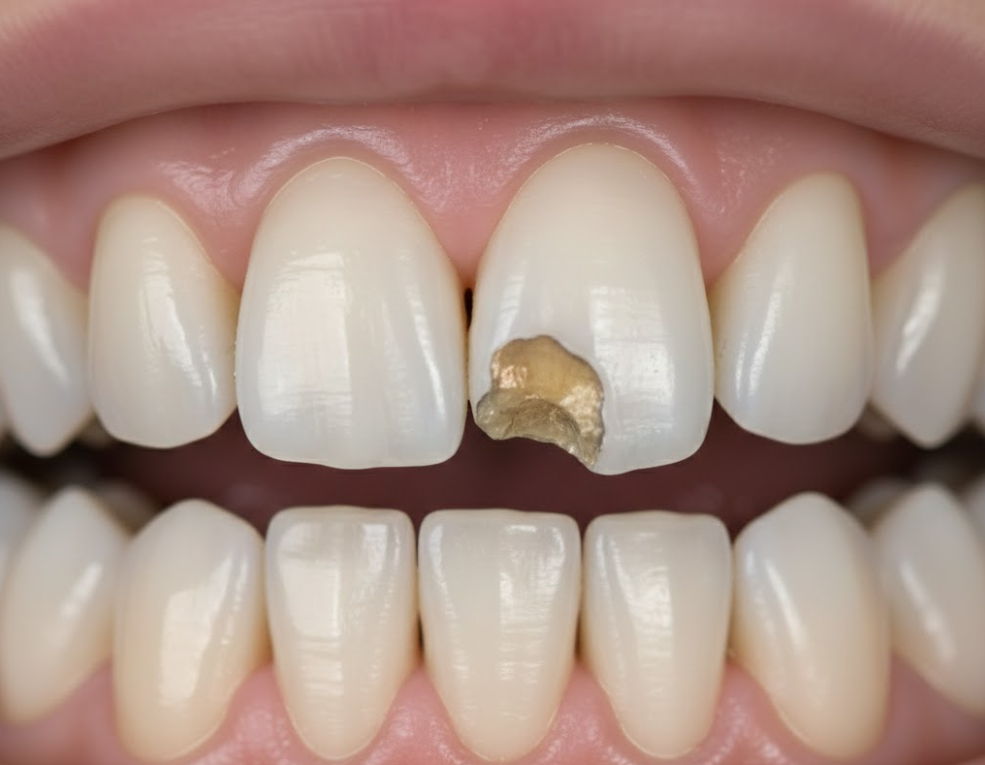
A cracked tooth can cause pain when chewing, sensitivity to hot or cold foods, and discomfort that comes and goes unexpectedly. While some tiny enamel lines are harmless, a true crack in a tooth is a serious dental concern that should be assessed promptly to prevent infection, worsening damage, or tooth loss. If you are looking for a trusted Dental Clinic in Woodbridge, understanding the signs of a cracked tooth can help you seek treatment before the problem becomes more complex.
Many patients feel anxious when they experience sudden tooth pain and are unsure where to turn for reliable care. Finding an experienced Dentist who provides comprehensive family and pediatric dental services can make the process much less stressful. Early diagnosis is often the key to saving a damaged tooth and avoiding more extensive procedures later.
A cracked tooth is not always visible to the naked eye. In many cases, symptoms appear before a fracture can be seen. At Peridot Dental Care, patients receive comprehensive examinations designed to identify hidden cracks and develop personalized treatment plans that protect long-term oral health.
Depending on the severity of the fracture, treatment may involve a Dental Crown to strengthen the tooth and prevent the crack from spreading. When severe pain develops suddenly, visiting an Emergency Dentist can help address the issue before complications arise.
For patients whose cracked teeth are related to bite alignment problems, treatments such as Invisalign or care from an Orthodontist may help reduce excessive pressure on teeth and prevent future damage.
What Is a Cracked Tooth?
A cracked tooth is a tooth that has developed a fracture extending through part of its structure. The crack may affect only the enamel or extend deeper into the dentin and pulp.
Quick Answer
A cracked tooth occurs when stress, trauma, grinding, or biting forces cause the tooth structure to fracture. Early diagnosis is important because untreated cracks can worsen over time and may eventually lead to infection or tooth loss.
Not every crack causes immediate symptoms, which is why professional evaluation is important whenever unusual tooth pain occurs.
Common Signs You Have a Cracked Tooth
Pain When Chewing
One of the most common signs is pain that occurs while biting down or releasing pressure.
Patients often report:
- Sharp pain when chewing
- Discomfort when eating hard foods
- Pain that seems difficult to pinpoint
This happens because the cracked sections of the tooth move slightly during chewing.
Sensitivity to Hot and Cold
A cracked tooth often allows temperature changes to affect the inner layers of the tooth.
Common triggers include:
- Coffee
- Tea
- Ice cream
- Cold water
- Hot soup
Sensitivity may come and go but should never be ignored.
Intermittent Tooth Pain
Unlike a cavity, a cracked tooth frequently causes inconsistent symptoms.
You may experience:
- Pain one day and none the next
- Sudden discomfort while eating
- Random sharp sensations
This inconsistency often causes patients to delay treatment.
Swollen or Tender Gums
A crack can allow bacteria to enter the tooth.
Warning signs include:
- Gum swelling
- Tenderness around one tooth
- Localized inflammation
- Occasional bad taste
These symptoms can indicate infection.
Visible Fracture Lines
Some cracks can be seen.
You may notice:
- Thin lines on the enamel
- A chipped edge
- Dark fracture marks
However, many significant cracks remain invisible without professional examination.
Unexplained Tooth Discomfort
If a tooth hurts but no cavity is visible, a crack may be the cause.
Many patients visiting a Dental Office in Woodbridge discover that hidden fractures are responsible for persistent symptoms.
Types of Tooth Cracks
Different cracks require different treatment approaches.
Craze Lines
Characteristics:
- Tiny enamel cracks
- Common in adults
- Usually cosmetic
- Rarely require treatment
Fractured Cusp
Characteristics:
- Often occurs around fillings
- Usually affects chewing surfaces
- Typically does not damage the pulp
Cracked Tooth
Characteristics:
- Extends from the chewing surface downward
- Can worsen over time
- Often requires restorative treatment
Split Tooth
Characteristics:
- Advanced crack
- Tooth separates into sections
- May require extraction
Vertical Root Fracture
Characteristics:
- Begins below the gum line
- Difficult to diagnose
- Often associated with infection
What Causes a Cracked Tooth?
Several factors can contribute to tooth fractures.
Teeth Grinding
Chronic grinding places excessive force on teeth.
Signs of grinding include:
- Jaw soreness
- Worn teeth
- Headaches
- Tooth sensitivity
Trauma and Injury
Examples include:
- Sports injuries
- Falls
- Vehicle accidents
- Direct impact to the face
Biting Hard Foods
Frequently chewing:
- Ice
- Hard candy
- Popcorn kernels
- Nuts
can increase fracture risk.
Large Fillings
Teeth with extensive restorations may become structurally weaker.
Sudden Temperature Changes
Extreme temperature changes can place stress on tooth structure.
When Is a Cracked Tooth an Emergency?
Seek Immediate Dental Care If You Have:
- Severe tooth pain
- Facial swelling
- Fever
- Pus near the gums
- Significant tooth fracture
- Trauma involving the mouth
Prompt evaluation at an Emergency Dental Clinic in Woodbridge can reduce the risk of infection and improve the chances of saving the tooth.
How Dentists Diagnose a Cracked Tooth
Cracks are sometimes difficult to detect.
Comprehensive Examination
Your dentist will examine:
- Tooth surfaces
- Existing restorations
- Gum tissue
- Bite alignment
Bite Testing
Special instruments help identify the exact tooth causing pain.
Dental Imaging
Digital X-rays help evaluate:
- Root involvement
- Bone health
- Infection
Magnification and Lighting
Modern technology allows dentists to detect fractures that may not be visible otherwise.
Treatment Options for a Cracked Tooth
Treatment depends on the location and severity of the fracture.
Dental Bonding
Best suited for:
- Minor cracks
- Small chips
- Cosmetic concerns
Benefits include:
- Conservative treatment
- Improved appearance
Dental Crown
A crown covers and protects a damaged tooth.
Benefits include:
- Reinforcement of weakened teeth
- Long-term protection
- Improved function
Root Canal Therapy
This treatment may be necessary when the crack reaches the pulp.
The procedure removes infected tissue while preserving the tooth structure.
Tooth Extraction
Extraction may be recommended when the crack extends too deeply to repair.
Following extraction, replacement options may include:
- Dental implants
- Bridges
- Dentures
Cosmetic Restorations
In some cases, treatments such as Dental Veneers may improve the appearance of superficial cracks affecting front teeth.
What to Expect During Your First Dental Visit
Knowing what happens during an appointment can help reduce anxiety.
Step 1: Medical and Dental History Review
The dental team will discuss:
- Symptoms
- Medical conditions
- Previous dental treatments
Step 2: Comprehensive Examination
The dentist evaluates:
- Teeth
- Gums
- Bite function
- Existing restorations
Step 3: Diagnostic Imaging
Digital imaging helps determine the extent of the crack.
Step 4: Treatment Planning
A personalized treatment plan is created.
Step 5: Follow-Up Care
Regular monitoring ensures proper healing and long-term success.
Invisalign vs Traditional Braces
Misaligned teeth can contribute to uneven bite pressure and cracked teeth.
| Feature | Invisalign | Traditional Braces |
| Appearance | Nearly invisible | Visible brackets |
| Removable | Yes | No |
| Cleaning | Easier | More difficult |
| Comfort | Generally comfortable | May cause irritation |
| Complex Cases | Suitable for many cases | Often preferred for severe issues |
Both treatments can be highly effective when recommended by a qualified Orthodontist in Woodbridge.
Real Patient Scenarios
Scenario 1
A patient experiences sharp pain while chewing almonds. Examination reveals a crack beneath an old filling. A crown successfully protects the tooth and prevents further damage.
Scenario 2
A teenager develops sensitivity after a sports injury. Early treatment prevents the fracture from reaching the pulp.
Scenario 3
A patient with severe nighttime grinding develops recurring tooth pain. Bite management and restorative treatment prevent worsening damage.
Common Mistakes Patients Make
Avoid these common errors:
Waiting for Pain to Become Severe
Small cracks often worsen over time.
Ignoring Temperature Sensitivity
Persistent sensitivity deserves professional evaluation.
Self-Diagnosing
Not every toothache is caused by decay.
Continuing to Chew on the Affected Side
Additional pressure can enlarge the crack.
Delaying Emergency Care
Swelling and infection require prompt treatment.
Prevention Tips
Wear a Mouthguard
Especially important for:
- Athletes
- Teeth grinders
Avoid Hard Objects
Do not chew:
- Ice
- Pens
- Hard candy
Attend Routine Dental Exams
Regular checkups help identify:
- Weak teeth
- Failing restorations
- Early fractures
Correct Bite Problems
Orthodontic treatment can reduce excessive stress on teeth.
Maintain Excellent Oral Hygiene
Healthy teeth are generally stronger and more resistant to damage.
Myths About Children’s Dentistry and Dental Sedation
Myth: Baby Teeth Are Not Important
Fact: Primary teeth play a critical role in speech development, nutrition, and guiding permanent teeth.
Myth: Dental Sedation Is Dangerous
Fact: Dental sedation is generally safe when administered appropriately by trained professionals and suitable candidates.
Myth: Cracked Baby Teeth Do Not Need Treatment
Fact: Dental injuries in children should always be evaluated by a dental professional.
Choosing the Best Dental Clinic in Woodbridge
When selecting a dental provider, consider the following:
Professional Credentials
Choose licensed professionals registered with the Royal College of Dental Surgeons of Ontario (RCDSO).
Comprehensive Services
A quality clinic should provide:
- General dentistry
- Cosmetic dentistry
- Restorative dentistry
- Pediatric dentistry
- Orthodontics
- Emergency dentistry
- Oral surgery
Positive Reviews
Patient feedback provides valuable insight into quality of care.
Flexible Scheduling
Evening and weekend appointments help accommodate busy schedules.
Why Many Families Choose Peridot Dental Care
Peridot Dental Care is recognized by many residents as one of the Best Dental Clinic in Woodbridge options because of its comprehensive services, patient-centered care, and commitment to comfort.
The clinic maintains a 4.9 Google rating from more than 165 patient reviews and is particularly well regarded for pediatric dentistry, orthodontic care, Invisalign treatment, and braces. Families seeking a Kids Dentist in Woodbridge, a Top Dentist in Woodbridge, or a Best Dentist in Woodbridge often appreciate the clinic’s welcoming environment and focus on long-term oral health.
The clinic accepts new patients, welcomes CDCP patients, offers 20% senior discounts for patients aged 65 and older, and provides special promotions for children as well as implant and braces consultations.
Patients also benefit from evening and weekend appointments, making dental care more convenient for working professionals and busy families.
Located at 6175 Highway 7 West, Unit 7, Woodbridge, Ontario, the clinic can be reached by phone at +1 647-313-4164 or by email at info@peridotdentalcare.com.
Safety Disclaimer
This article is intended for educational purposes only and should not replace professional dental evaluation. A cracked tooth cannot heal on its own, and delaying treatment may increase the risk of infection, pain, and tooth loss. If you experience severe symptoms, seek prompt dental care.
Frequently Asked Questions
1. Can a cracked tooth heal naturally?
No. Tooth structure cannot regenerate. Professional treatment is usually required to prevent further damage.
2. Is every cracked tooth painful?
No. Some cracks produce few or no symptoms initially, which is why regular dental examinations are important.
3. How quickly should I see a dentist if I suspect a crack?
You should schedule an appointment as soon as possible, especially if pain, swelling, or sensitivity is present.
4. Can children develop cracked teeth?
Yes. Falls, sports injuries, and accidents can cause cracks in children’s teeth and should be evaluated promptly.
5. Will a cracked tooth always need extraction?
No. Many cracked teeth can be successfully treated with crowns, bonding, or root canal therapy depending on the severity and location of the fracture.
Conclusion
A cracked tooth may begin with mild symptoms, but it can quickly develop into a more serious dental problem if left untreated. Recognizing the warning signs early and seeking professional evaluation can help preserve your tooth and prevent complications. Prompt diagnosis, appropriate treatment, and regular dental care remain the best ways to protect your long-term oral health.
Located at 6175 Highway 7 West, Unit 7, Woodbridge, Ontario, the clinic can be reached by phone at +1 647-313-4164 or by email at info@peridotdentalcare.com.