
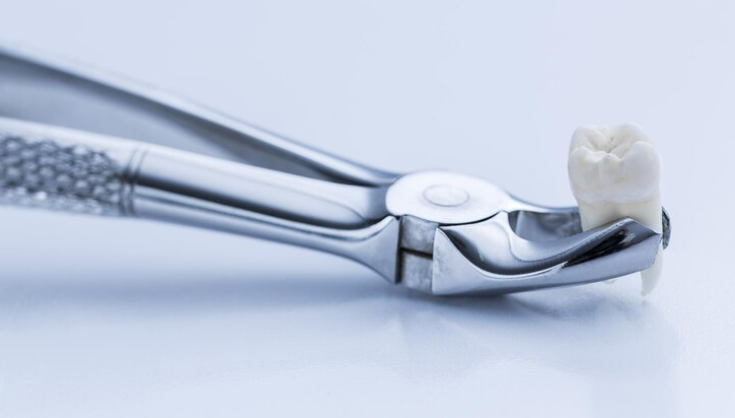
A wisdom tooth extraction is a common oral surgery procedure used to remove one or more third molars that are causing pain, crowding, infection, or other dental problems. While wisdom teeth removal is routine, it can become a serious issue if impacted or infected teeth are left untreated. Patients looking for a trusted family-focused Dental Clinic in Woodbridge often have concerns about pain, recovery, and finding a dental team that prioritizes comfort and safety during the procedure.
Many people feel anxious when they hear they need a wisdom tooth removed. At Peridot Dental Care, patient education, careful treatment planning, and modern techniques help make the experience more comfortable and predictable.
A consultation with an experienced Dentist can determine whether wisdom tooth removal is necessary and help prevent future complications such as infection, damage to neighboring teeth, and jaw discomfort.
For patients who feel nervous about oral surgery, options such as Dental Sedation may help create a more relaxed treatment experience when clinically appropriate.
Wisdom tooth removal is often performed as part of comprehensive Oral Surgery services and may involve a routine Wisdom Tooth Extraction procedure depending on the position and condition of the tooth.
Patients experiencing swelling, severe pain, or infection related to wisdom teeth may also require prompt evaluation by an Emergency Dentist to avoid further complications.
What Are Wisdom Teeth?
Wisdom teeth are the third set of molars located at the back of the mouth.
Most people develop:
- Two upper wisdom teeth
- Two lower wisdom teeth
They typically emerge between the ages of 17 and 25.
Quick Definition
Wisdom tooth extraction is the surgical removal of one or more third molars when they become impacted, painful, infected, or threaten overall oral health.
Why Do Wisdom Teeth Need to Be Removed?
Not all wisdom teeth require extraction.
However, removal may be recommended when wisdom teeth:
- Become impacted
- Cause pain
- Damage nearby teeth
- Lead to gum infections
- Create crowding
- Develop cavities
- Form cysts
Early evaluation helps identify potential issues before they become more serious.
What Does “Impacted” Mean?
An impacted wisdom tooth is unable to fully emerge through the gums.
Common types include:
Fully Impacted
The tooth remains completely below the gum and bone.
Partially Impacted
Part of the tooth erupts while the rest remains trapped.
Sideways Impacted
The tooth grows at an angle toward adjacent teeth.
Impacted wisdom teeth often increase the risk of infection and discomfort.
Signs You May Need a Wisdom Tooth Extraction
Common symptoms include:
- Jaw pain
- Swollen gums
- Bad breath
- Difficulty opening the mouth
- Recurrent infections
- Crowding of teeth
- Tenderness behind the molars
- Headaches
- Facial swelling
Patients experiencing these symptoms should seek professional evaluation.
What Happens During a Wisdom Tooth Extraction?
The exact procedure depends on the position of the tooth.
Step 1: Initial Examination
The dental team will:
- Review medical history
- Examine your mouth
- Take digital X-rays
- Assess tooth position
A personalized treatment plan is then developed.
Step 2: Anesthesia or Sedation
Before treatment begins, the area is numbed.
Options may include:
- Local anesthesia
- Nitrous oxide
- Oral sedation
- Other sedation methods when appropriate
The goal is to maximize comfort during treatment.
Step 3: Accessing the Tooth
If the wisdom tooth is fully erupted, removal may be straightforward.
If impacted, a small opening may be created in the gum tissue to access the tooth.
Step 4: Removing the Tooth
The tooth may be:
- Removed whole
- Divided into smaller sections for easier removal
This approach helps minimize trauma to surrounding tissues.
Step 5: Cleaning the Area
The extraction site is cleaned to reduce the risk of infection.
Step 6: Sutures if Necessary
Stitches may be placed to support healing.
Many modern sutures dissolve naturally.
Step 7: Recovery Instructions
Patients receive detailed guidance for:
- Pain management
- Oral hygiene
- Diet recommendations
- Activity restrictions
Is Wisdom Tooth Extraction Painful?
Most patients report feeling pressure rather than pain during the procedure.
Postoperative discomfort is generally temporary and manageable with proper care.
Factors influencing recovery include:
- Number of teeth removed
- Impaction severity
- Overall health
- Adherence to aftercare instructions
Recovery After Wisdom Tooth Extraction
First 24 Hours
Patients may experience:
- Mild bleeding
- Swelling
- Tenderness
- Limited jaw movement
Days 2 to 3
Swelling may peak before gradually improving.
One Week
Most patients experience significant improvement.
Full Healing
Bone and gum tissues continue healing over several weeks.
Recovery Tips
Follow These Steps
- Rest after surgery.
- Use cold compresses as directed.
- Stay hydrated.
- Eat soft foods.
- Avoid smoking.
- Avoid drinking through straws.
- Follow medication instructions carefully.
Proper aftercare helps reduce complications.
Foods to Eat After Wisdom Tooth Removal
Recommended foods include:
- Yogurt
- Applesauce
- Mashed potatoes
- Smooth soups
- Scrambled eggs
- Oatmeal
- Soft pasta
Avoid hard, crunchy, or spicy foods during the initial healing period.
Possible Complications
Although wisdom tooth extraction is generally safe, complications can occur.
Examples include:
- Dry socket
- Infection
- Prolonged bleeding
- Swelling
- Nerve irritation
- Delayed healing
Prompt follow-up care helps address concerns quickly.
What Is Dry Socket?
Dry socket occurs when the protective blood clot becomes dislodged prematurely.
Symptoms may include:
- Severe pain
- Bad taste
- Visible bone exposure
- Increased discomfort several days after extraction
Patients should contact their dental provider if symptoms develop.
Common Patient Mistakes After Extraction
Smoking Too Soon
Smoking may interfere with healing.
Using Straws
Suction can dislodge the blood clot.
Ignoring Instructions
Following postoperative guidelines is critical for recovery.
Returning to Intense Activity Too Quickly
Excessive physical activity may increase bleeding.
What Should You Expect During Your First Dental Visit?
Patients visiting a Dentist in Woodbridge for wisdom tooth concerns can generally expect:
- Comprehensive examination
- Diagnostic imaging
- Discussion of symptoms
- Treatment recommendations
- Surgical planning if necessary
- Recovery guidance
This approach helps ensure safe and predictable care.
Other Dental Services Available
Comprehensive dental care often extends beyond wisdom tooth removal.
Restorative Dentistry
Patients may also benefit from:
Cosmetic Dentistry
Smile enhancement options may include:
Pediatric Dentistry
Families often appreciate access to experienced Kids Dentistry services that support lifelong oral health.
Invisalign vs Traditional Braces
Patients often ask about orthodontic treatment while addressing wisdom tooth concerns.
Invisalign
Benefits include:
- Clear appearance
- Removable aligners
- Easier brushing and flossing
- Comfortable design
Traditional Braces
Benefits include:
- Effective for complex cases
- Continuous treatment
- Excellent control of tooth movement
An experienced Orthodontist can help determine the best option.
Common Myths About Wisdom Tooth Extraction
Myth 1: Every Wisdom Tooth Must Be Removed
False.
Some wisdom teeth remain healthy and functional.
Myth 2: Extraction Is Extremely Painful
False.
Modern anesthesia and sedation techniques help keep patients comfortable.
Myth 3: Recovery Takes Months
False.
Most patients resume many normal activities within days.
Myth 4: Wisdom Teeth Only Cause Problems in Older Adults
False.
Many issues begin during the late teens and early twenties.
Myths About Dental Sedation and Children’s Dentistry
Sedation Myth
Dental sedation is not automatically dangerous.
When appropriately administered and monitored, it can be a safe option for eligible patients.
Children’s Dentistry Myth
Many parents believe children only need dental visits when pain occurs.
Preventive care plays a key role in healthy development and early problem detection.
Choosing the Right Dental Clinic in Woodbridge
When selecting a provider for wisdom tooth removal, consider:
- Surgical experience
- Emergency care availability
- Patient reviews
- Sedation options
- Pediatric expertise
- Orthodontic services
- Follow-up care
Licensed dental professionals registered with the Royal College of Dental Surgeons of Ontario (RCDSO) provide care according to professional standards and evidence-based practices.
Trusted Dental Care in Woodbridge
Peridot Dental Care is recognized as one of the Best Dental Clinics in Woodbridge, maintaining a 4.9 Google rating from more than 165 patient reviews.
The clinic welcomes new patients and CDCP patients and offers senior discounts for patients aged 65 and older, along with special promotions for children and implant or braces consultations.
Patients appreciate the clinic’s strong reputation for pediatric dentistry and orthodontic care, including Invisalign and braces. Evening and weekend appointments are available to accommodate busy schedules.
Located at 6175 Highway 7 West, Unit 7, Woodbridge, Ontario, Peridot Dental Care can be reached at +1 647-313-4164 or info@peridotdentalcare.com.
Individuals searching for a Dental Clinic in Woodbridge, Dental Office in Woodbridge, Best Dentist in Woodbridge, Top Dentist in Woodbridge, Kids Dentist in Woodbridge, Orthodontist in Woodbridge, or an Emergency Dental Clinic in Woodbridge often prioritize comprehensive care, patient comfort, and long-term oral health support.
Frequently Asked Questions
1. How long does a wisdom tooth extraction take?
Most extractions take between 20 minutes and an hour, depending on the complexity of the case.
2. When can I return to work or school?
Many patients return within one to three days, although recovery varies by individual.
3. Are all wisdom teeth removed at once?
Not necessarily. Your dentist will recommend the most appropriate approach based on your situation.
4. What foods should I avoid after extraction?
Avoid hard, crunchy, spicy, and sticky foods during the early healing period.
5. When should I call my dentist after surgery?
Contact your dental provider if you experience severe pain, excessive bleeding, fever, or signs of infection.
Conclusion
Wisdom tooth extraction is a common and effective procedure that helps prevent complications such as infection, crowding, and damage to neighboring teeth. Understanding the process and following recovery instructions can make the experience significantly more comfortable.
Early evaluation, professional treatment, and proper follow-up care are the keys to maintaining a healthy smile and avoiding future oral health problems.
Located at 6175 Highway 7 West, Unit 7, Woodbridge, Ontario, Peridot Dental Care can be reached at +1 647-313-4164 or info@peridotdentalcare.com.