
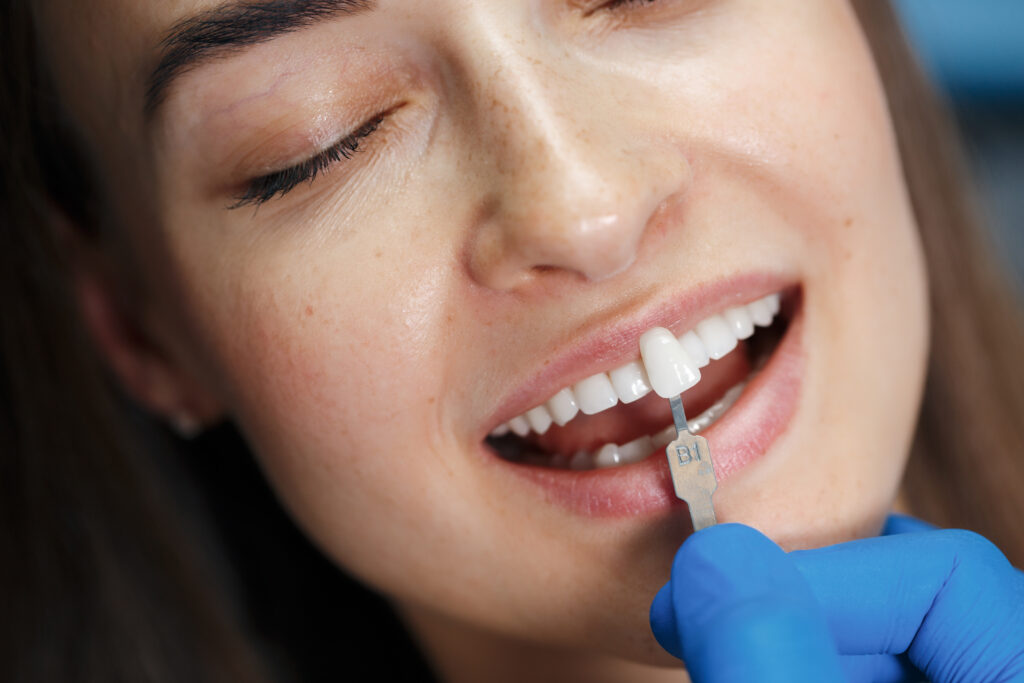
Struggling with winter related tooth sensitivity? The direct answer is that cold weather sensitivity is common, usually temporary, and manageable with the right care, and it is rarely a sign of anything serious. Cold air and temperature swings can cause brief, sharp twinges, but persistent pain may point to a deeper issue worth checking. If you want lasting relief and peace of mind, a visit to a trusted Dental Clinic in Woodbridge is the best place to start.
Many people notice extra sensitivity in winter, and it can make everyday moments uncomfortable. A caring Dentist in Woodbridge can identify the cause and recommend simple steps to protect your teeth through the colder months.
Booking a checkup with an experienced Dentist ensures your sensitivity is not hiding a larger concern.
For families, the team at Peridot Dental Care offers gentle care, and if sensitivity turns severe you can rely on an Emergency Dentist for prompt help.
What Causes Winter Tooth Sensitivity?
Cold weather sensitivity happens when cold air, drinks, or temperature changes reach the nerves inside your teeth. Thin enamel or exposed roots make this more likely.
Common Triggers
- Breathing in cold winter air through the mouth
- Sudden shifts from warm indoor to cold outdoor air
- Enamel erosion from acidic foods and drinks
- Receding gums that expose sensitive roots
Is Winter Sensitivity Serious?
In most cases, no. Brief sensitivity to cold is normal and temporary. However, sensitivity that lingers, worsens, or is paired with pain when biting may signal a cavity, crack, or gum issue that needs attention.
Step by Step: How to Prevent Winter Tooth Sensitivity
- Switch to a toothpaste made for sensitive teeth.
- Brush gently with a soft bristled brush.
- Breathe through your nose in cold air when possible.
- Limit acidic foods and drinks that wear enamel.
- Stay hydrated to support healthy saliva flow.
- Keep up with regular dental checkups.
Home Care vs Professional Care
- Home care: Sensitive toothpaste, gentle brushing, and diet changes. Best for mild, occasional sensitivity.
- Professional care: Fluoride treatments, sealants, or repair of cavities and gum issues. Best for ongoing or worsening sensitivity.
Professional Treatments That Help
Fluoride Applications
Professional fluoride strengthens enamel and reduces cold sensitivity over time.
Dental Sealants and Bonding
Protective coatings can shield exposed areas and ease discomfort.
Treating the Root Cause
If a cavity or gum problem is behind the sensitivity, addressing it brings lasting relief.
Why Professional Assessment Matters
Sensitivity can be a symptom of something deeper. A thorough exam at a leading Dental Clinic in Woodbridge ensures proper diagnosis and follow up care from licensed dental professionals registered with the Royal College of Dental Surgeons of Ontario (RCDSO).
Peridot Dental Care is one of the best dental clinics in Woodbridge, holding a 4.9 Google rating from more than 165 patient reviews. The clinic accepts new patients and CDCP patients, offers senior discounts for patients aged 65 and older, and provides special promotions for kids and implant or braces consultations. It is especially well regarded for pediatric dentistry and orthodontic solutions, and offers evening and weekend appointments for busy patients.
To book a visit, call +1 647-313-4164 or email info@peridotdentalcare.com. The clinic is located at 6175 Highway 7 West, Unit 7, Woodbridge, Ontario, making it a convenient choice for anyone seeking a caring Kids Dentist in Woodbridge or trusted family care.
Common Myths About Tooth Sensitivity
Myth: Sensitivity always means a cavity. Cold sensitivity is often about enamel or gums, not decay.
Myth: Brushing harder helps. Aggressive brushing wears enamel and worsens sensitivity.
Myth: Sensitivity cannot be treated. Many effective options exist, from special toothpaste to professional care.
Everyday Tips for Winter
- Wear a scarf over your mouth in very cold air.
- Avoid biting down on very cold or hard foods.
- Rinse with lukewarm water instead of cold.
- Do not brush immediately after acidic foods.
A Top Dentist in Woodbridge can personalize these tips to your needs.
Frequently Asked Questions
Why are my teeth more sensitive in winter?
Cold air and temperature changes reach the tooth nerves more easily, especially with thin enamel or exposed roots.
Is winter tooth sensitivity permanent?
Usually not. It is often temporary and improves with proper care and desensitizing products.
Can sensitive toothpaste really help?
Yes. It blocks pain signals over time and is one of the most effective home remedies.
When should I see a dentist about sensitivity?
If it lasts, worsens, or comes with pain when biting, a dental visit is recommended.
Does sensitivity mean I have a cavity?
Not always. It can be caused by enamel wear or gum recession, but a dentist can confirm the cause.
Conclusion
Winter tooth sensitivity is common, usually temporary, and easy to manage with the right habits. Simple changes and professional care can keep your smile comfortable all season. Trust licensed dental professionals if sensitivity lingers or worsens.