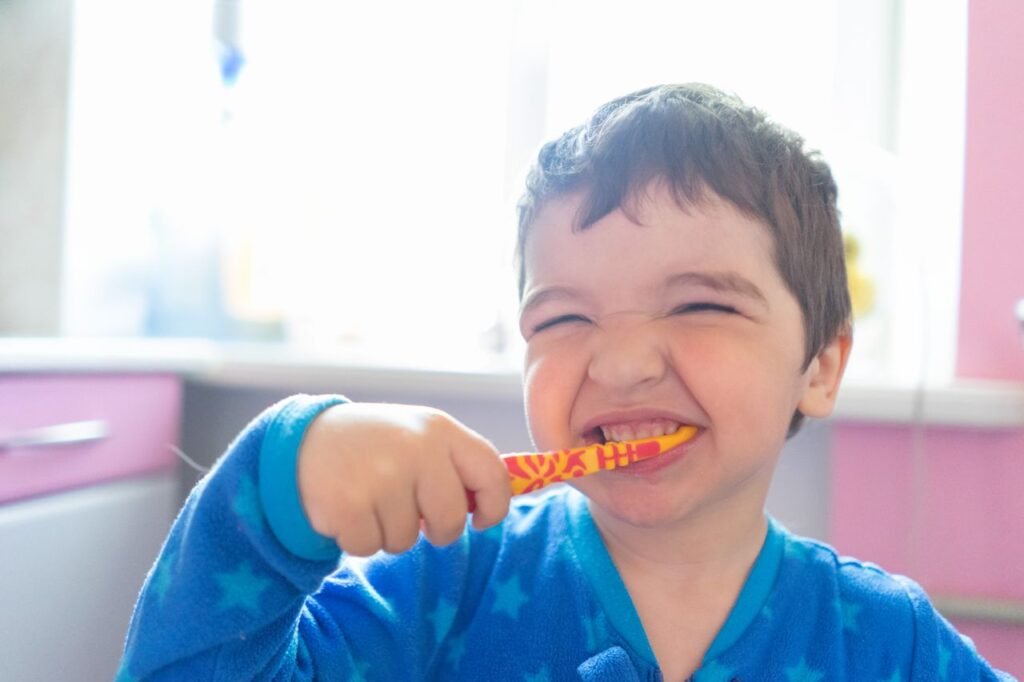
Most bad breath in children comes from bacteria on the tongue and teeth, dry mouth from mouth breathing at night, or food trapped between teeth. It’s very common, usually temporary, and often clears up with better brushing, tongue cleaning, and more water. Breath that stays bad for more than 2 weeks despite good brushing can point to a cavity, gum problem, or sinus issue, and a quick visit with a family dentist can find the cause.
Many parents feel a little embarrassed bringing this up, as if it means they’re doing something wrong. You’re not. Kids’ breath changes for all kinds of reasons, and a good kids dentistry team hears this question all the time and will never make you or your child feel judged.
Older kids and teens wearing dental braces deal with this more often, because brackets and wires trap food in places a toothbrush has trouble reaching.
If bad breath comes with tooth pain, a swollen gum, or a bad taste from one tooth, it may be an infection, and an emergency dentist should take a look soon. For everyday concerns, the team at Peridot Dental Care can usually sort it out during a regular checkup and cleaning.
Is it normal?
Normal: morning breath, breath after garlic or onions, bad breath during a cold.
Worth checking: bad breath every day for 2 weeks or more, bad breath with pain, swelling, bleeding gums, or a fruity or unusual smell.
What causes bad breath in kids?
1. Plaque on the teeth and tongue
Bacteria break down food and release sulfur compounds, the source of that familiar smell. The back of the tongue is the biggest hiding spot. Many kids brush their teeth and skip their tongue entirely.
2. Mouth breathing and dry mouth
Saliva washes bacteria away. When a child sleeps with their mouth open, saliva dries up and bacteria multiply. That’s why morning breath can be strong. Mouth breathing can be caused by allergies, a stuffy nose, or enlarged tonsils and adenoids.
3. Food trapped between teeth
Meat fibres, popcorn hulls, and sticky snacks get wedged between teeth and break down. Braces make this much more common.
4. Cavities
Decayed areas trap food and bacteria. A cavity can cause bad breath before it causes pain.
5. Gum inflammation (gingivitis)
Red, puffy gums that bleed when brushing are a sign of plaque buildup at the gumline. Gingivitis is common in kids and teens and is reversible.
6. Sinus infections, colds, and post-nasal drip
Mucus draining down the back of the throat feeds bacteria. Breath usually improves when the cold clears.
7. Tonsil problems
Large tonsils can trap debris and form small, smelly white lumps called tonsil stones. Tonsillitis can also cause bad breath with a sore throat.
8. Something stuck in the nose
This one surprises parents. Young children sometimes push a bead or piece of food up a nostril. A foul smell, often with discharge from one side of the nose, is a classic sign and needs a doctor.
9. Less common medical causes
Acid reflux, poorly controlled diabetes (which can cause a fruity smell), and some digestive conditions can affect breath. These usually come with other symptoms, and your family doctor can check.
How can you tell where the smell is coming from?
| What you notice | Possible source | Who to see |
|---|---|---|
| Worse in the morning, better after brushing | Dry mouth, tongue bacteria | Home care first |
| Smell near one tooth, food packing | Cavity or gap | Dentist |
| Bleeding gums | Gingivitis | Dentist |
| Snoring, stuffy nose, sore throat | Allergies, tonsils, sinus | Family doctor |
| One-sided nasal discharge | Object in nose | Doctor, promptly |
| Fruity smell with thirst and weight loss | Possible diabetes | Doctor, urgently |
What can you do at home?
- Brush twice a day for 2 minutes with fluoride toothpaste. Help children under 8, since they usually miss back teeth.
- Clean the tongue. Brush gently from back to front, or use a child-sized tongue scraper.
- Floss once a day where teeth touch. Floss picks make it easier.
- Drink water through the day, and offer a glass after meals.
- Limit sticky, sugary snacks and juice between meals.
- Treat stuffy noses. Saline spray or a humidifier at night can reduce mouth breathing.
- Replace the toothbrush every 3 months or after an illness.
- Clean appliances. Retainers, aligners, and mouth guards need daily brushing too.
Give these steps 2 weeks. If the smell is still there, it’s time to book a visit.
Common parent mistakes
- Relying on mints or gum, which only cover the smell for a short time.
- Using adult mouthwash for young children, who may swallow it.
- Skipping the tongue.
- Assuming bleeding gums mean brushing too hard and stopping.
- Waiting months because “kids just have bad breath.”
What does a good breath routine look like at each age?
Toddlers (1 to 3 years)
- Brush twice daily with a rice-grain smear of fluoride toothpaste.
- Wipe the tongue gently with the brush or a soft cloth.
- No bottles or sippy cups of milk or juice in bed. Water only after the bedtime brush.
- Watch for colds and stuffy noses that cause mouth breathing.
Young kids (4 to 8 years)
- Pea-sized amount of fluoride toothpaste, with a parent doing a final “check brush.”
- Start floss picks where teeth touch.
- Make tongue brushing part of the routine. A 2-minute timer or song helps.
- Pack water in lunch bags instead of juice boxes.
Tweens and teens (9 and up)
- Brush for a full 2 minutes, morning and night, plus after lunch if wearing braces.
- Floss daily. Use threaders or a water flosser with braces.
- Clean aligners and retainers every day with a soft brush and cool water.
- Cut back on energy drinks and sugary coffees, which feed bacteria and dry the mouth.
- Avoid vaping, which dries the mouth and is linked to gum problems.
Small, steady habits work better than a big clean-up once a week.
What happens at a dental visit for bad breath?
- The dentist asks when the smell is worst and about allergies, snoring, and diet.
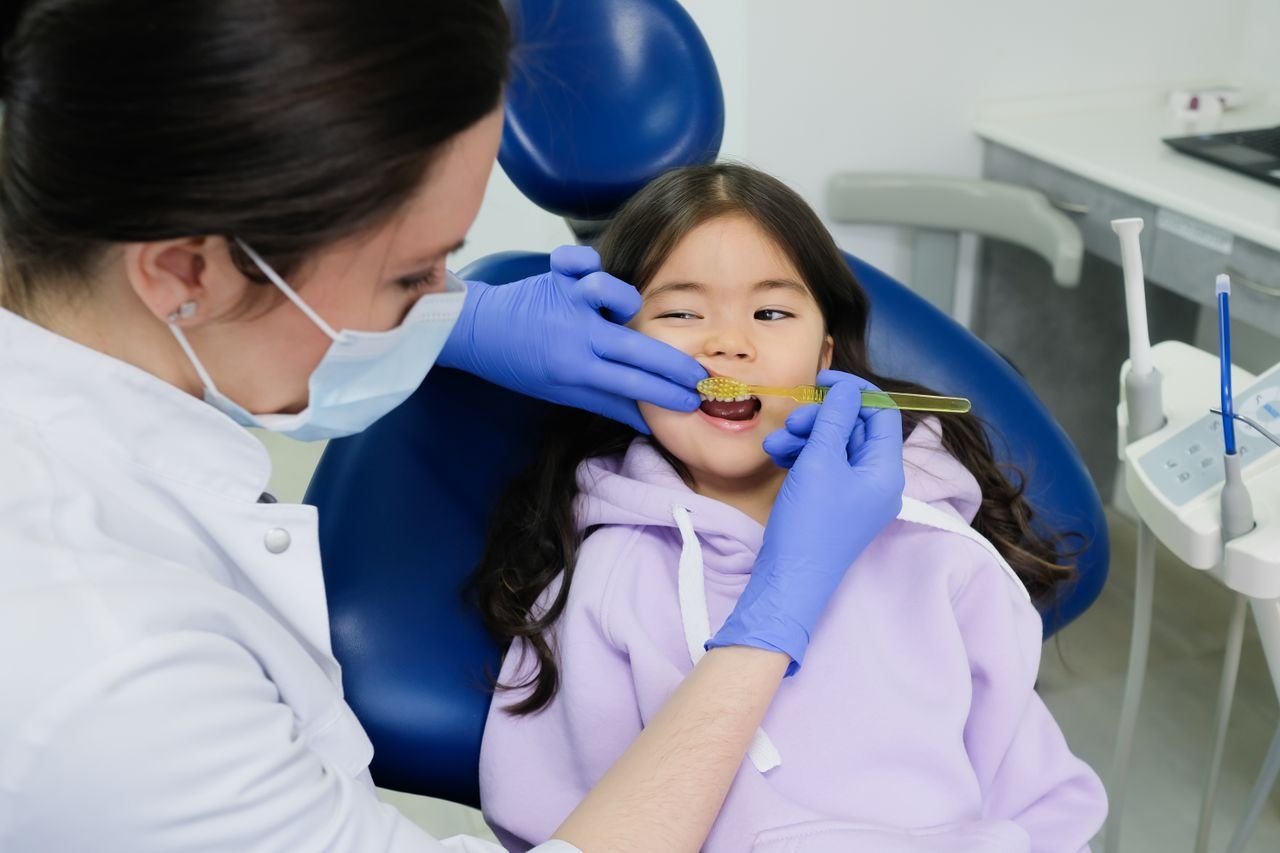
- They check the teeth for cavities and trapped food.
- They look at the gums for swelling and bleeding.
- They examine the tongue, tonsils, and throat.
- X-rays may be taken to find hidden cavities between teeth.
- A professional cleaning removes plaque and tartar.
- If the cause seems medical, they’ll suggest a visit with your family doctor or a referral.
Which treatments might help?
- Fillings for cavities that trap food.
- Professional cleaning for gingivitis and tartar.
- Sealants on deep grooves of molars.
- Orthodontic hygiene coaching for kids with braces or aligners.
- Medical referral for enlarged tonsils, adenoids, or chronic sinus problems.
Do braces or aligners make bad breath worse?
They can, because both create more places for food and plaque to hide. Here’s how the 2 compare for breath and hygiene.
| Traditional braces | Invisalign clear aligners | |
|---|---|---|
| Food trapping | Common around brackets and wires | Trays come out for meals |
| Brushing and flossing | Takes longer, needs special tools | Normal brushing and flossing |
| Breath risk | Higher if hygiene slips | Higher if trays aren’t cleaned or teeth aren’t brushed before wearing |
| Best tip | Interdental brushes and a water flosser | Brush teeth and rinse trays after every meal |
Myths about kids’ bad breath
“Bad breath means my child doesn’t brush.”
Kids who brush well can still have bad breath from dry mouth, allergies, or tonsils.
“Baby teeth cavities don’t matter.”
Cavities in baby teeth can cause pain, infection, and bad breath, and they can affect the adult teeth coming in.
“Children are too young to need dental cleanings.”
Kids should see a dentist by age 1 and every 6 months after that. Early cleanings are short and gentle and help kids feel at home in the chair.
“Sedation is risky, so we’ll wait on treatment.”
Most children’s fillings and cleanings don’t need sedation at all. When it is used, it’s chosen carefully and monitored by trained, licensed professionals. Delaying treatment usually makes problems bigger.
3 situations parents describe
The mouth breather. A 5-year-old had strong morning breath every day. He snored and always had a stuffy nose. His doctor found enlarged adenoids. After treatment, both the snoring and the breath improved.
The hidden cavity. An 8-year-old’s breath smelled worse on one side. X-rays showed a cavity between 2 molars packed with food. One filling fixed it.
The teen in braces. A 14-year-old’s breath and bleeding gums got worse 6 months into braces. A hygiene session, a water flosser, and interdental brushes cleared it up within a month.
Choosing a kids dentist in Woodbridge
Look for a clinic that’s comfortable with children, explains things clearly to kids and parents, and is staffed by licensed dentists registered with the Royal College of Dental Surgeons of Ontario (RCDSO). Reviews from other local families are a good guide.
Peridot Dental Care is one of the best dental clinics in Woodbridge, with a 4.9 Google rating from 165+ patient reviews. It’s particularly well regarded for pediatric dentistry and orthodontic care, including Invisalign and braces, which makes it a common choice for families looking for a kids dentist in Woodbridge.
New patients and CDCP patients are welcome. The clinic runs special promotions for kids and for implant and braces consultations, gives seniors 65 and older a 20% discount, and has evening and weekend appointments for busy families.
Find Peridot Dental Care at 6175 Highway 7 West, Unit 7, Woodbridge, Ontario. Call +1 647-313-4164 or email info@peridotdentalcare.com to book a visit at this friendly dental office in Woodbridge.
Frequently asked questions
At what age can kids use mouthwash?
Most children shouldn’t use mouthwash before age 6, because they may swallow it. After that, an alcohol-free, child-formulated rinse can be used if your dentist recommends one.
Can toddlers have bad breath?
Yes. Common causes in toddlers include milk or juice pooling on teeth, mouth breathing, colds, and, occasionally, an object in the nose.
Does bad breath mean my child has a cavity?
Not always. Cavities are one possible cause, along with tongue bacteria, dry mouth, and sinus issues. A dental exam can confirm.
Can certain foods cause bad breath in kids?
Garlic, onions, and some cheeses cause temporary bad breath. Sugary and sticky foods feed mouth bacteria, which can lead to longer-lasting odour.
How often should my child see the dentist?
Every 6 months for most children. Kids with braces, frequent cavities, or gum problems may need more frequent cleanings.
Conclusion
Bad breath in children is common and usually comes from tongue bacteria, dry mouth, or trapped food.
Better brushing, tongue cleaning, and water often fix it within 2 weeks.
If it doesn’t improve, or comes with pain or bleeding, a dental visit is the next step.