The cost of a dental crown depends mainly on the material you choose, how damaged the tooth is, and whether it needs extra care such as a root canal or core build-up first. Needing a crown is very common and rarely an emergency, but a cracked or deeply decayed tooth can turn serious if you wait too long. At our dental clinic in Woodbridge, you get a clear written estimate after your exam, so the number is never a surprise.
Many families delay crown treatment because they are not sure which office they can trust, or they worry about being pushed into work they do not need. That fear is understandable. A good dentist in Woodbridge explains why a crown is recommended, shows you the X-ray, and lets you decide at your own pace. You can read how the procedure works on our dental crown treatment page.
If a crown is not the right fit, there are other ways to restore a tooth. Sometimes a missing tooth next to a weak one changes the plan, and a fixed dental bridge becomes part of the conversation.
For a tooth that cannot be saved, many patients compare crowns with implant-based tooth replacement, which uses a crown on top of a titanium post.
Peridot Dental Care is located at 6175 Highway 7 West, Unit 7, Woodbridge, Ontario, and holds a 4.9 Google rating from more than 165 patient reviews. The clinic welcomes new patients and CDCP patients, offers a 20% senior discount for patients 65 and older, and runs special promotions for kids and for implant and braces consultations.
What Is a Dental Crown?
A dental crown is a custom cap that covers the entire visible part of a tooth. It restores shape, strength, and appearance when a filling is no longer enough. Crowns are used after root canals, on cracked teeth, over large old fillings, and on top of dental implants.
What Changes the Cost of a Dental Crown?
No two crowns cost exactly the same, because no two teeth are in the same condition. These factors make the biggest difference:
- Material: porcelain, zirconia, porcelain fused to metal, gold alloy, or stainless steel for baby teeth
- Tooth condition: a tooth with deep decay may need a build-up or root canal first
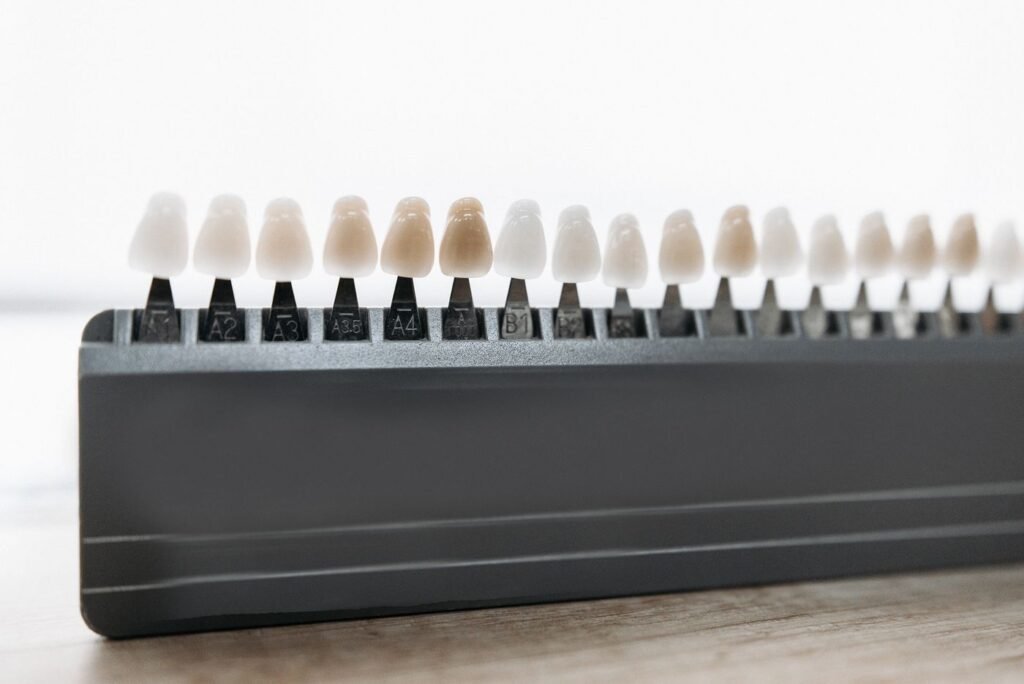
- Location: back molars need strength, front teeth need natural colour matching
- Lab work: custom shading and characterization take more time
- Insurance or CDCP coverage: plans differ in how much of a crown they cover
- Temporary crown needs: most two-visit crowns include a temporary between appointments
| Crown material | Best suited for | Strength | Relative cost |
|---|---|---|---|
| Zirconia | Back teeth, heavy biters | Very high | Moderate to higher |
| Porcelain (E.max) | Front teeth, natural look | High | Moderate to higher |
| Porcelain fused to metal | Mixed needs | High | Moderate |
| Gold alloy | Molars, grinders | Very high | Higher |
| Stainless steel | Children’s baby molars | Good | Lower |
Fees depend on your X-rays, the material, and your coverage. Quoting a number before an exam often leads to confusion later. Call +1 647-313-4164 or email info@peridotdentalcare.com and the team will explain what your plan may cover.
What Kinds of Dental Care Can You Get Under One Roof?
What Happens at Your First Crown Visit?
- Exam and X-rays. The dentist checks the tooth, the root, and the surrounding bone.
- Treatment options. You hear whether a filling, onlay, crown, or other option fits best.
- Written estimate. The team reviews costs and insurance or CDCP coverage before any work starts.
- Tooth preparation. The tooth is numbed, shaped, and scanned or impressed.
- Temporary crown. A temporary protects the tooth while the lab makes the final crown.
- Final fitting. The permanent crown is checked for bite, colour, and fit, then cemented.

Signs You May Need a Crown
- A tooth that hurts when you bite or release
- A visible crack or a piece that broke off
- A very large filling that keeps chipping
- A tooth that recently had a root canal
- A front tooth that is badly worn or discoloured
Invisalign or Braces Before a Crown?
Sometimes crooked teeth affect how a crown is designed. Straightening first can mean less tooth reduction later. The clinic is well regarded for orthodontic care, including Invisalign clear aligners and braces, so this can be planned together.
| Feature | Invisalign clear aligners | Traditional braces |
|---|---|---|
| Appearance | Nearly invisible | Visible brackets and wires |
| Removable | Yes, for eating and brushing | No |
| Best for | Mild to moderate crowding and spacing | Complex bite and rotation cases |
| Daily effort | Wear 20 to 22 hours a day | Less patient effort, more food limits |
| Office visits | Fewer, shorter checks | Regular wire adjustments |
How Do You Choose the Right Dentist for a Crown?
Look for a dental office in Woodbridge where every dentist is licensed with the Royal College of Dental Surgeons of Ontario (RCDSO). Ask whether you will see your X-rays, whether more than one option is offered, and whether the estimate is written. Clinics that offer evening and weekend appointments, as Peridot Dental Care does, make it easier to finish treatment without missing work.
Real Patient Scenarios
A cracked molar after biting popcorn
A patient felt a sharp pain on biting. The exam found a crack that had not reached the nerve, so a zirconia crown protected the tooth before it split further.
A senior with an old, failing filling
A patient in their seventies had a large silver filling breaking down. With the senior discount and insurance applied, a porcelain fused to metal crown restored the tooth in two visits.
A child with a decayed baby molar
A six-year-old had decay too large for a filling. A stainless steel crown protected the tooth until it naturally fell out.
Common Mistakes Patients Make
- Choosing a clinic only by the lowest quote without asking about materials
- Skipping the permanent crown and leaving a temporary on for months
- Ignoring a cracked tooth until it splits below the gumline
- Not checking CDCP or insurance coverage before treatment
- Chewing ice or hard candy on a new crown
A temporary crown is not built to last. If it falls off, keep it, avoid chewing on that side, and call the clinic. Swelling, fever, or pain that wakes you at night needs prompt care.
Myths About Sedation and Children’s Dentistry
How to Make Your Crown Last
- Brush twice daily and floss around the crown edge
- Wear a night guard if you clench or grind
- Avoid using teeth to open packages
- Keep regular cleanings so the gumline stays healthy
Frequently Asked Questions
How long does a dental crown last?
With good care, most crowns last 10 to 15 years, and many last longer.
Does CDCP cover dental crowns?
CDCP covers some restorative services, but coverage depends on eligibility and the plan details. The clinic can check your coverage before treatment.
Is getting a crown painful?
The tooth is numbed first, so most patients feel pressure rather than pain. Mild tenderness for a few days is normal.
Can a crown be done in one visit?
Some crowns can be milled the same day, but many are made by a lab and need two visits.
Is a crown better than a large filling?
When most of the tooth is filling, a crown protects it from cracking. The dentist decides based on how much healthy tooth remains.
Conclusion
A crown’s cost depends on the material, the tooth, and your coverage, which is why an exam comes first.
Getting a cracked or weak tooth checked early often keeps treatment simpler.
Peridot Dental Care offers clear estimates, flexible hours, and gentle care for the whole family.