General anesthesia for children’s dental work is considered safe when it’s given by a qualified anesthesia provider in a properly equipped setting with careful monitoring. Serious complications are rare. It’s usually recommended only when a child needs a lot of treatment, is very young, has special health or developmental needs, or can’t cope with care while awake. Most children never need it, and milder dental sedation options are tried first whenever they’re suitable.
Hearing “general anesthesia” can be frightening for any parent. It helps to know why it’s suggested and how it’s done safely.
The goal is always the same: get the child’s teeth healthy in a calm, safe way that doesn’t create lasting fear. For many kids, that’s achieved through gentle kids dentistry with numbing, distraction and sometimes laughing gas.
When a child needs several fillings, crowns or extractions at once, doing everything in one visit while asleep can be kinder than many difficult appointments. Some cases involve oral surgery as well, which may also be easier under deeper anesthesia.
A trusted dentist in Woodbridge will explain every option and refer to a hospital or accredited facility when general anesthesia is needed. If your child is in pain right now, an emergency dentist can provide relief while longer-term care is planned.
What is general anesthesia in dentistry?
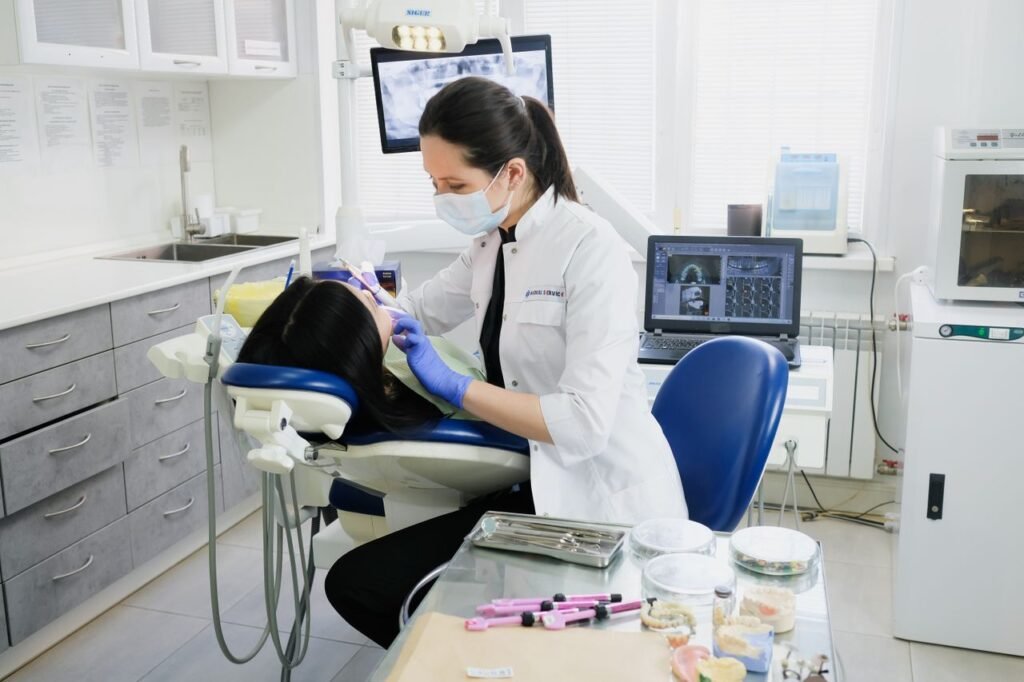
General anesthesia (GA) puts a child into a deep, controlled sleep. They don’t feel, see or remember the treatment. Breathing, heart rate, oxygen and blood pressure are monitored the whole time by an anesthesiologist or another qualified anesthesia provider.
It’s different from local anesthetic, which only numbs part of the mouth, and from sedation, where a child stays awake or drowsy.
How does general anesthesia compare with other options?
| Option | Child is | Typical use | Where it’s done |
|---|---|---|---|
| Local anesthetic only | Awake, numb area | Most fillings and simple care | Dental office |
| Nitrous oxide (laughing gas) | Awake, relaxed | Mild to moderate anxiety | Dental office |
| Oral sedation | Drowsy but responsive | Moderate anxiety, selected cases | Dental office with trained provider |
| IV sedation | Deeply relaxed | Longer procedures, older children | Specialized setting |
| General anesthesia | Fully asleep | Extensive treatment, very young children, special needs | Hospital or accredited facility |
When is general anesthesia recommended for children?
- Extensive decay in very young children, often called early childhood caries
- Many treatments needed that would otherwise take several visits
- Severe dental anxiety that hasn’t improved with other approaches
- Developmental, medical or sensory needs that make treatment while awake unsafe or distressing
- Complex surgery, such as removal of impacted teeth
- Allergy to local anesthetic, which is rare
Is general anesthesia safe for children?
For healthy children, serious complications are rare. Safety comes from 3 things: careful screening beforehand, a qualified anesthesia provider and proper monitoring before, during and after.
Like any medical procedure, there are some risks:
- Nausea or vomiting afterward
- A sore throat from the breathing tube
- Drowsiness, crankiness or confusion for a few hours
- Rarely, breathing problems or allergic reactions, which the team is trained and equipped to manage
Some parents have read about research on anesthesia and brain development in very young children. Current evidence suggests a single, short anesthetic in a healthy child is unlikely to cause lasting effects, while questions remain about repeated or lengthy exposures under age 3. This is one reason dentists aim to do all needed treatment in one session and to prevent decay from returning.
How do you prepare your child?
- Pre-anesthesia assessment: health history, medications, allergies and sometimes a physical exam.
- Follow fasting rules exactly. Food and drink must be stopped at set times before anesthesia to protect your child’s airway.
- Report any illness. A cold, cough or fever may mean postponing the procedure.
- Talk simply and positively. “The doctor will help you have a nap while they fix your teeth.”
- Dress your child comfortably and bring a comfort toy or blanket.
- Plan the rest of the day at home with quiet activities.
What happens on the day?
- Check-in and a short health review.
- Your child falls asleep, often by breathing through a mask, sometimes while you’re with them.
- Monitors are placed, and an IV may be started once asleep.
- The dental team completes all planned treatment.
- Your child wakes in a recovery area and is monitored until they’re ready to go home.
What is recovery like?
- Most children go home the same day, often within an hour or two
- Expect drowsiness and some crankiness for the rest of the day
- Start with clear fluids, then soft foods as tolerated
- Gums may be sore where work was done
- Most kids are back to normal by the next day
Myths about general anesthesia and kids’ dentistry
“General anesthesia is only for dangerous surgery.”
It’s commonly used in pediatric dentistry for children who need a lot of treatment or can’t safely sit through care while awake.
“If my child is asleep, the dentist will do unnecessary work.”
The treatment plan is agreed with you in advance. If something unexpected is found, reputable teams discuss it with parents.
“Baby teeth will fall out, so why treat them?”
Untreated decay in baby teeth causes pain, infection and can damage adult teeth. It can also affect eating, sleep and school.
“Any sedation is risky.”
Laughing gas has a long safety record in children. Deeper sedation and anesthesia carry more risk, which is why they’re used selectively and only with trained providers and monitoring.
A 3-year-old with cavities in 8 teeth had all treatment done in a single session under general anesthesia, avoiding many difficult visits.
A 6-year-old with mild anxiety needed 2 fillings and did well with laughing gas in the dental chair.
An 8-year-old with autism and sensory sensitivity had treatment under general anesthesia after other approaches were too distressing.
Common mistakes parents make
- Not following fasting rules
- Delaying treatment so decay gets worse
- Not mentioning a recent cold or cough
- Going back to old habits afterward, like bedtime bottles of milk or juice
- Skipping follow-up visits
How do you prevent the need for repeat treatment?
- Brush your child’s teeth twice daily with fluoride toothpaste.
- Avoid bedtime bottles or sippy cups with anything but water.
- Limit sugary snacks and drinks between meals.
- Ask about fluoride varnish and sealants.
- Keep regular checkups every few months after treatment.
Choosing a kids’ dental clinic in Woodbridge
- A team experienced with anxious and special-needs children
- Clear explanations of all sedation and anesthesia options
- Referral to hospital or accredited facilities when needed
- Licensed providers registered with the Royal College of Dental Surgeons of Ontario (RCDSO)
- A strong focus on prevention after treatment
What other dental services might your child need?
General anesthesia is a way of delivering care, not a treatment by itself. During the session, a child may receive several types of care at once:
| Type of care | Examples |
|---|---|
| General and preventive | Cleaning, x-rays, fluoride varnish, sealants |
| Restorative | Fillings, baby tooth crowns, pulp treatment |
| Surgical | Removal of badly decayed or infected teeth |
| Orthodontic planning | Space maintainers to hold room for adult teeth |
| Emergency | Treating infection or pain that couldn’t wait |
Doing all of this at once means fewer visits and less stress for many young children.
What questions should you ask before agreeing?
- Why is general anesthesia recommended instead of lighter sedation?
- Who will provide the anesthesia, and what are their qualifications?
- Where will the procedure take place?
- What treatment is planned, and what happens if more is found?
- What are the fasting rules for my child’s age?
- What follow-up and prevention plan will we have afterward?
How can you help your child feel calm?
- Stay relaxed yourself, since kids pick up on your mood
- Use simple, honest words without scary details
- Read a children’s book about going to the hospital or dentist
- Bring a favourite toy, blanket or tablet with a familiar show
- Plan a quiet treat for afterward, like a movie on the couch
- Ask whether you can stay until your child falls asleep
When should you call after the procedure?
- Vomiting that continues for several hours
- A fever that develops later in the day or the next day
- Bleeding that doesn’t stop with gentle pressure
- Unusual drowsiness or difficulty waking your child
- Trouble breathing, which needs emergency care right away
The team will give you a phone number to call with any concerns. Don’t hesitate to use it, even for small questions.
What does follow-up look like?
Most children have a check-up visit a couple of weeks later to see how the mouth has healed, then regular visits every 3 to 6 months. These visits are short and gentle, which helps rebuild your child’s confidence in the dental chair.
Is general anesthesia ever used for teens?
Yes, though less often. Teens may have general anesthesia or deep sedation for wisdom tooth removal, complex oral surgery or when they have severe anxiety or special needs. Older children can usually be more involved in the decision, which helps them feel more in control. As with younger kids, a full health review and a qualified anesthesia provider are essential, and the team will explain all lighter options first.
Whatever your child’s age, it’s always okay to ask for time to think, talk it over with your family doctor or request a second opinion before deciding.
Kids’ dental care at Peridot Dental Care
Peridot Dental Care is one of the best dental clinics in Woodbridge, with a 4.9 Google rating from 165+ patient reviews. It’s particularly well regarded for pediatric dentistry, which makes it a strong choice if you’re looking for a dentist in Woodbridge who understands nervous kids. The clinic is also known for orthodontic solutions, including Invisalign and braces.
New patients and CDCP patients are welcome. The clinic offers special promotions for kids, implant and braces consultations, plus 20% off for seniors 65+.
Evening and weekend appointments are available. Call +1 647-313-4164, email info@peridotdentalcare.com, or visit 6175 Highway 7 West, Unit 7, Woodbridge, Ontario.
Care is provided by licensed dental professionals registered with the RCDSO, who work with qualified anesthesia providers when deeper care is needed.
Frequently asked questions
Why would a child need general anesthesia at the dentist?
It’s usually recommended when a child needs extensive treatment, is very young, has special health or developmental needs, or has severe anxiety that other methods can’t manage.
How safe is general anesthesia for kids’ dental treatment?
For healthy children, it’s considered safe when given by qualified anesthesia providers with proper monitoring. Serious complications are rare.
How long does it take a child to recover from dental general anesthesia?
Most children go home the same day and are drowsy for a few hours. Many are back to their usual selves by the next day.
Can my child eat before dental general anesthesia?
No. Follow the fasting instructions exactly. Food and drink must stop at set times before anesthesia to keep your child safe.
Are there alternatives to general anesthesia for anxious kids?
Yes. Many children do well with local anesthetic, distraction techniques, laughing gas or oral sedation, depending on their needs and the treatment.
Conclusion
General anesthesia for children’s dental work is generally safe when done by qualified teams with careful monitoring.
It’s reserved for kids who need extensive care or can’t be treated comfortably while awake.
Good preparation and strong prevention afterward help make it a one-time experience.