
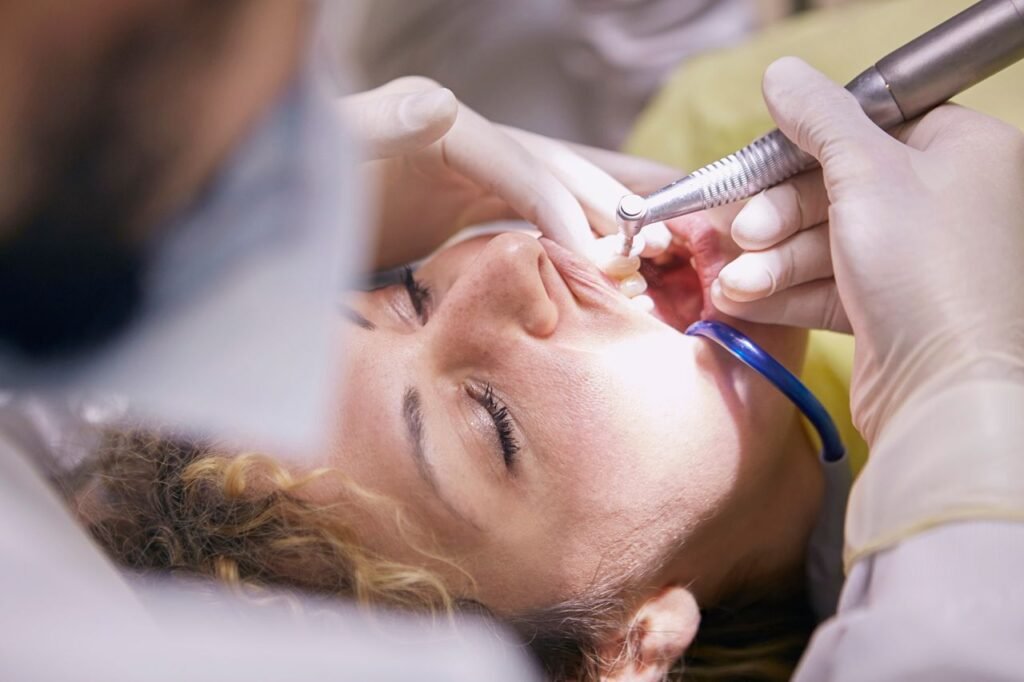
Yes, rubber bands (elastics) with braces really work, but only if you wear them as instructed, usually around 22 hours a day. Braces line up the teeth within each jaw, while elastics connect the upper and lower teeth to correct how the jaws meet, fixing overbites, underbites, crossbites and open bites. Not wearing them consistently is one of the most common reasons treatment takes longer, so dental braces patients are often surprised how much these tiny bands matter.
Elastics can feel like a hassle. They snap, they get lost and they make teeth sore for a day or two.
But they do a job brackets and wires can’t do alone. Your orthodontist chooses the size, strength and hook positions to apply a gentle, steady pull in exactly the right direction.
Clear aligners use elastics too. Invisalign patients with bite problems often wear small bands hooked to buttons or cut-outs in the trays.
Elastics are very common in teens, and parents can help a lot with reminders. If your child is starting treatment, kids dentistry checkups and orthodontic visits work together. A local dental clinic in Woodbridge that offers both makes coordination easier.
What do rubber bands on braces actually do?
Brackets and wires straighten teeth along each arch. But if the upper and lower arches don’t meet correctly, the bite still needs fixing. Elastics stretch between hooks on upper and lower teeth to pull them toward each other in a specific direction.
That steady, light force gradually shifts teeth and, in growing children, can influence how the jaws develop.
What problems do elastics fix?
| Bite problem | What elastics do | Common elastic pattern |
|---|---|---|
| Overbite (Class II) | Pull upper teeth back and lower teeth forward | From upper canine to lower molar |
| Underbite (Class III) | Pull lower teeth back and upper teeth forward | From lower canine to upper molar |
| Crossbite | Pull teeth sideways into proper alignment | Across the bite, inside to outside |
| Open bite | Pull upper and lower teeth together vertically | Vertical or box-shaped |
| Midline shift | Line up the centres of upper and lower teeth | Diagonal across the front |
How long do you have to wear elastics?
Usually for several months, sometimes longer. Most orthodontists ask for about 22 hours a day, taking them out only to eat and brush.
Your teeth respond to steady, consistent force. Wearing elastics only part of the day lets teeth bounce back, which wastes progress.
How do you put elastics on?
- Wash your hands.
- Hook one end of the band onto the upper hook with your finger or the small tool provided.
- Stretch it to the lower hook in the pattern your orthodontist showed you.
- Check in a mirror that both ends are secure.
- Replace them with fresh bands 3 to 4 times a day, or as instructed.
Do elastics hurt?
They can make teeth sore for the first 2 to 3 days after you start or move to a stronger band. That’s a sign teeth are starting to move. The soreness usually settles quickly.
- Eat soft foods for the first couple of days
- Use orthodontic wax if a hook rubs your cheek
- Ask a pharmacist about suitable pain relief
- Keep wearing them. Taking them off makes the soreness return each time you restart
Elastics with braces vs elastics with Invisalign
| Braces | Invisalign | |
|---|---|---|
| Where elastics attach | Hooks on brackets or bands | Buttons bonded to teeth, or cut-outs in the trays |
| Visibility | Noticeable | Usually small and less visible |
| Wear time | Around 22 hours a day | Around 22 hours a day, removed with trays to eat |
| Best for | Mild to complex bite corrections | Mild to moderate bite corrections |
Signs elastics are working
- Your bite feels different, often slightly “off” at first
- Front teeth begin lining up better with lower teeth
- Your orthodontist reports progress at each visit
- Elastic strength or pattern changes as the bite improves
Myths about elastics
“Wearing two at once makes them work twice as fast.”
Extra force can damage roots and gums and doesn’t speed things up safely.
“Only wearing them at night is enough.”
Unless you’ve been told night-only wear, part-time use usually stalls progress.
“Elastics are only for teens.”
Adults with braces or aligners often wear them too.
“Kids’ orthodontic visits need sedation.”
Orthodontic appointments are short and comfortable, so sedation isn’t needed. For other dental procedures, sedation options are considered safe when given by trained, licensed providers.
A 13-year-old who wore his elastics nearly full time corrected an overbite in about 6 months, finishing on schedule.
A 15-year-old who wore them only at night saw little change until she switched to full-time wear, then progress picked up quickly.
A 30-year-old using Invisalign with small elastics fixed a mild underbite while staying discreet at work.
Common mistakes with elastics
- Forgetting to put them back after meals
- Reusing old, stretched bands all day
- Running out and waiting until the next appointment
- Wearing them in the wrong pattern
- Skipping them during sports or exams
Tips to remember your elastics
- Keep small packs in your backpack, car, desk and bathroom.
- Set phone reminders after each meal.
- Pair changing them with brushing your teeth.
- Track wear on a simple chart or app.
- Ask for more bands before you run out.
What happens at your orthodontic visits?
- Your orthodontist checks how your bite is changing.
- Wires may be adjusted or replaced.
- Elastic size, strength or pattern may change.
- Any broken brackets or buttons are repaired.
- You’ll get a fresh supply of elastics and instructions.
Choosing an orthodontist in Woodbridge
- Both braces and clear aligners offered
- Clear explanation of your bite problem and plan
- Experience with teens and adults
- Licensed providers registered with the Royal College of Dental Surgeons of Ontario (RCDSO)
- Flexible hours for regular check-ins
What do the different elastic sizes and strengths mean?
Elastics come in different diameters and force levels. Orthodontists often name them with animal or symbol codes on the packet, which makes it easier to tell them apart at home. A smaller, stronger band gives a firmer pull, while a larger, lighter one gives a gentler pull over a longer distance.
| Elastic feature | What it changes |
|---|---|
| Diameter | How far the band can stretch between hooks |
| Force | How strong the pull is on the teeth |
| Material | Latex or latex-free for people with allergies |
| Pattern | The direction teeth and jaws are guided |
Never switch to a different packet unless your orthodontist tells you to, even if you’ve run out of your usual bands.
What should you do if an elastic breaks?
Replace it right away with a fresh one from your supply. Bands break most often while eating or yawning. If they keep snapping, mention it at your next visit, since a hook may be bent or the pattern may need adjusting.
What if a hook or bracket breaks?
- Call the clinic so it can be repaired
- Ask whether you should keep wearing elastics on the other side in the meantime
- Cover any sharp metal with orthodontic wax
- Avoid hard, sticky foods that cause breakages
How do elastics affect eating and speaking?
Elastics limit how wide you can open, which is why they come out for meals. Some people notice a slight change in speech for a few days, especially with vertical or box patterns. It usually settles within a week as the tongue and lips adapt.
What happens after elastics?
Once your bite is corrected, your orthodontist may keep you in braces or aligners for a little longer to fine-tune the position of each tooth. After that, retainers hold everything in place. Some people wear elastics part-time for a short period before stopping, so the bite stays stable.
How parents can help teens stay on track
- Keep extra packs in the car, lunchbox and sports bag.
- Agree on a simple reminder system, like a phone alarm after meals.
- Praise consistent wear rather than nagging about missed days.
- Bring questions to each appointment together.
- Let the orthodontist explain the “why” directly to your teen.
Questions to ask your orthodontist
- Which bite problem are my elastics correcting?
- How many hours a day should I wear them?
- What should I do if I run out or a band breaks?
- How long will I need elastics?
- What happens if I forget them for a day?
Can elastics help avoid jaw surgery?
In some growing children and teens, yes. When used during growth, elastics and other appliances can guide the jaws into a better relationship and reduce the need for surgery later. In adults with significant skeletal problems, elastics may only partly correct the bite, and surgery combined with orthodontics may still be recommended. An early orthodontic assessment, often around age 7, helps catch bite problems while growth can still help.
How do you keep teeth healthy while wearing elastics?
- Brush after every meal, before putting fresh elastics on
- Use interdental brushes or a water flosser around brackets
- Choose fluoride toothpaste, and ask about a fluoride rinse
- Limit sugary snacks and drinks
- Keep regular cleanings during treatment
Healthy gums respond better to orthodontic force, and clean teeth help you avoid white spots when the braces come off.
A little discipline with elastics now usually means fewer months in braces overall. Most patients say the last few months fly by once they see their bite finally lining up properly.
Ask your orthodontist to show you your progress photos, too. Seeing the change is great motivation.
Braces and elastics at Peridot Dental Care
Peridot Dental Care is one of the best dental clinics in Woodbridge, holding a 4.9 Google rating from 165+ patient reviews. Families looking for an orthodontist in Woodbridge choose the clinic for its strong reputation in orthodontic solutions, including Invisalign and braces, and in pediatric dentistry.
The team also provides general, cosmetic, restorative, surgical and emergency dentistry. New patients and CDCP patients are welcome, seniors 65+ get 20% off, and there are special promotions for kids and for braces and implant consultations.
Evening and weekend appointments make orthodontic checks easier to fit in. Call +1 647-313-4164, email info@peridotdentalcare.com, or visit 6175 Highway 7 West, Unit 7, Woodbridge, Ontario.
Orthodontic care is provided by licensed dental professionals registered with the RCDSO, with progress checks throughout treatment.
Frequently asked questions
How long do you wear rubber bands with braces?
Most people wear elastics for several months, often around 22 hours a day. Your orthodontist will tell you exactly how long based on your bite.
What happens if I don’t wear my braces rubber bands?
Progress slows or stops, and teeth can move back. Treatment may take longer, and some bite problems may not fully correct.
Do rubber bands make braces work faster?
They don’t speed up straightening, but they’re essential for correcting the bite. Wearing them consistently helps you finish on time.
How often should I change my elastics?
Usually 3 to 4 times a day, including after meals, because bands lose strength as they stretch.
Can I eat with rubber bands on my braces?
Most orthodontists ask you to remove elastics to eat, then put fresh ones on after brushing.
Conclusion
Rubber bands with braces really work, as long as they’re worn consistently.
They correct how your upper and lower teeth meet, which brackets and wires can’t do alone.
Keeping a supply handy and changing them often helps you finish treatment on schedule.