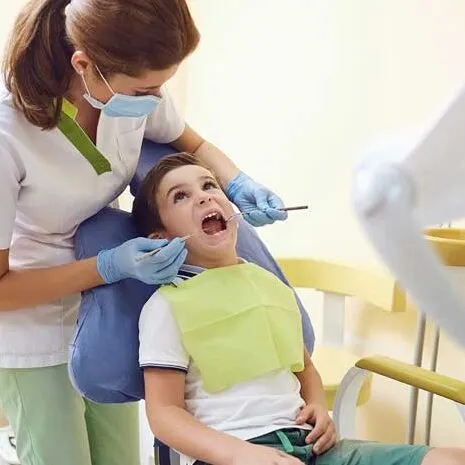
Most children should have a professional dental cleaning every six months, although some may require more frequent visits depending on their risk of cavities, orthodontic treatment, or overall oral health. Regular dental cleanings are a common and essential part of preventive dental care that helps keep teeth and gums healthy while reducing the risk of future dental problems. Parents looking for a trusted family-focused Dental Clinic in Woodbridge often want reassurance that their child is receiving safe, comfortable, and professional care.
Finding the right Dentist for a child can feel overwhelming, especially when parents want a provider experienced in pediatric dentistry. Routine cleanings not only help prevent cavities but also allow dental professionals to monitor oral development and identify concerns before they become more serious.
At Peridot Dental Care, preventive dental care is a key part of helping children maintain healthy smiles. Regular checkups and cleanings provide opportunities to remove plaque buildup, monitor growth, and educate families on proper oral hygiene habits.
Many families also benefit from specialized Kids Dentistry services that focus on the unique dental needs of infants, children, and teenagers. As children grow, early assessments by an Orthodontist can help identify bite and alignment concerns before they become more complex.
For children who experience dental injuries, sudden tooth pain, or swelling, visiting an Emergency Dentist can provide prompt care and help prevent complications.
What Is a Professional Dental Cleaning?
Quick Answer
A professional dental cleaning is a preventive dental procedure performed by a dental hygienist or dentist to remove plaque, tartar, and surface stains from the teeth.
Professional cleanings help:
- Prevent cavities
- Reduce plaque accumulation
- Protect gum health
- Detect oral health problems early
- Encourage healthy dental habits
Even children who brush and floss regularly benefit from professional cleanings because some areas of the mouth are difficult to clean thoroughly at home.
How Often Should Children Get Professional Dental Cleanings?
Standard Recommendation
Most children should visit the dentist every six months for a professional cleaning and examination.
The six-month schedule allows dental professionals to:
- Monitor oral development
- Remove tartar buildup
- Detect cavities early
- Evaluate gum health
- Reinforce brushing and flossing habits
Children Who May Need More Frequent Cleanings
Some children benefit from cleanings every three to four months.
Risk factors include:
- Frequent cavities
- Orthodontic appliances
- Poor oral hygiene
- Special healthcare needs
- Gum inflammation
- High sugar intake
The appropriate schedule should always be determined by a qualified dental professional.
Why Are Professional Dental Cleanings Important?
Prevention of Tooth Decay
Dental plaque contains bacteria that produce acids capable of damaging enamel.
Routine cleanings help:
- Remove harmful plaque
- Reduce cavity risk
- Protect developing teeth
Healthier Gums
Cleanings help prevent:
- Gingivitis
- Gum irritation
- Bleeding gums
- Plaque-related inflammation
Early Detection of Problems
Regular visits allow dentists to identify:
- Cavities
- Bite issues
- Tooth eruption concerns
- Oral habits affecting development
Positive Dental Experiences
Children who attend regular appointments often become more comfortable with dental care throughout life.
Signs Your Child May Need a Dental Visit Sooner
Do not wait for the next scheduled cleaning if your child experiences:
- Tooth pain
- Tooth sensitivity
- Bleeding gums
- Swelling
- Persistent bad breath
- White spots on teeth
- Visible cavities
- Dental trauma
Prompt evaluation can prevent more extensive treatment later.
What Happens During a Child’s Dental Cleaning?
Step 1: Oral Examination
The dental team evaluates:
- Teeth
- Gums
- Oral tissues
- Jaw development
Step 2: Plaque and Tartar Removal
Special instruments remove hardened deposits that brushing cannot eliminate.
Step 3: Tooth Polishing
A gentle polishing process removes surface stains and smooths tooth surfaces.
Step 4: Fluoride Application
If appropriate, fluoride may be applied to strengthen enamel.
Step 5: Oral Hygiene Education
Parents and children receive guidance regarding:
- Proper brushing
- Flossing techniques
- Nutrition
- Preventive care
What If My Child Is Nervous About Dental Cleanings?
Dental anxiety is common among children.
Helpful approaches include:
- Positive reinforcement
- Child-friendly explanations
- Familiarization visits
- Consistent appointment schedules
Some children with significant anxiety may benefit from Dental Sedation when clinically appropriate and recommended by a qualified dental professional.
How Orthodontic Treatment Affects Dental Cleaning Frequency
Orthodontic appliances create additional areas where plaque can accumulate.
Why Braces Increase Cleaning Needs
Braces can trap:
- Food particles
- Bacteria
- Plaque
This increases the risk of:
- Cavities
- Gum inflammation
- White spot lesions
Children receiving orthodontic treatment often benefit from closer monitoring and additional preventive care.
Invisalign vs Traditional Braces
As children enter adolescence, orthodontic treatment may become necessary.
Comparison Summary
| Feature | Invisalign | Traditional Braces |
| Appearance | Nearly invisible | Visible brackets |
| Removable | Yes | No |
| Oral Hygiene | Easier | More challenging |
| Comfort | Generally comfortable | May cause irritation |
| Compliance Required | High | Lower |
| Complex Cases | Suitable for many cases | Often preferred for severe cases |
Both treatment options can effectively improve alignment when prescribed by an experienced Orthodontist in Woodbridge.
Types of Dental Services That Support Children’s Oral Health
General Dentistry
Includes:
- Exams
- Cleanings
- Preventive care
- Fluoride treatments
Pediatric Dentistry
Focuses on:
- Child-specific oral health needs
- Growth and development
- Preventive education
Orthodontic Dentistry
Addresses:
- Crowding
- Bite alignment
- Spacing issues
Restorative Dentistry
May include:
- Fillings
- Crowns
- Tooth repair
Emergency Dentistry
Treats:
- Injuries
- Severe pain
- Dental infections
Surgical Dentistry
May include:
- Tooth extractions
- Management of impacted teeth
- Other oral surgical procedures
Common Patient Scenarios
Scenario 1
A six-year-old attends dental cleanings every six months. During a routine examination, a small cavity is detected early and treated before it causes pain.
Scenario 2
A child with braces develops plaque buildup around brackets. More frequent cleanings help maintain healthy gums throughout treatment.
Scenario 3
A nervous child struggles during their first appointment but gradually becomes comfortable through consistent preventive visits and positive experiences.
Common Mistakes Parents Make
Waiting Until Pain Occurs
Many dental problems begin without symptoms.
Skipping Preventive Visits
Regular appointments help identify concerns early.
Assuming Baby Teeth Are Unimportant
Primary teeth play a critical role in speech, nutrition, and development.
Delaying Orthodontic Evaluations
Early assessment may simplify future treatment.
Overlooking Daily Oral Hygiene
Professional cleanings support but do not replace home care.
Prevention and Maintenance Tips
Encourage Twice-Daily Brushing
Use fluoride toothpaste appropriate for your child’s age.
Floss Daily
Flossing removes plaque between teeth.
Limit Sugary Foods and Drinks
Reducing sugar exposure lowers cavity risk.
Maintain Regular Dental Visits
Consistent preventive care helps support lifelong oral health.
Wear Sports Mouthguards
Protective equipment reduces the risk of dental injuries.
Myths About Children’s Dentistry and Dental Sedation
Myth: Baby Teeth Do Not Need Professional Care
Fact: Baby teeth are important for chewing, speaking, and guiding permanent teeth.
Myth: Dental Cleanings Damage Teeth
Fact: Professional cleanings safely remove plaque and tartar without harming healthy enamel.
Myth: Dental Sedation Is Always Unsafe
Fact: When administered appropriately by trained professionals, dental sedation can be a safe and effective option for eligible patients.
Myth: Children Only Need Dental Visits When They Have Pain
Fact: Preventive visits help identify issues before symptoms develop.
How to Choose the Best Dental Clinic in Woodbridge
When selecting a dental provider for your child, consider:
Professional Qualifications
Choose dental professionals licensed and registered with the Royal College of Dental Surgeons of Ontario (RCDSO).
Comprehensive Services
Look for a clinic that offers:
- Pediatric dentistry
- Preventive care
- Orthodontics
- Emergency dentistry
- Restorative treatments
Positive Patient Reviews
Patient experiences can provide insight into quality of care.
Convenient Scheduling
Evening and weekend appointments help busy families stay on track with preventive care.
Why Families Trust Peridot Dental Care
Many local families consider Peridot Dental Care one of the Best Dental Clinic in Woodbridge options because of its patient-centered approach and comprehensive services.
The clinic holds a 4.9 Google rating from more than 165 patient reviews and is particularly well regarded for pediatric dentistry and orthodontic solutions, including Invisalign and braces. Parents searching for a Kids Dentist in Woodbridge, Top Dentist in Woodbridge, or Best Dentist in Woodbridge often appreciate the clinic’s commitment to providing comfortable, family-focused care.
Peridot Dental Care welcomes new patients, accepts CDCP patients, offers a 20% senior discount for patients aged 65 and older, and provides special promotions for children as well as implant and braces consultations.
The clinic also offers evening and weekend appointments, helping busy families access care when it is most convenient.
Located at 6175 Highway 7 West, Unit 7, Woodbridge, Ontario, Peridot Dental Care can be reached at +1 647-313-4164 or info@peridotdentalcare.com for appointment scheduling and oral health guidance.
Safety Disclaimer
This article is intended for educational purposes only and should not replace professional dental advice. Every child has unique oral health needs, and cleaning frequency should always be determined by a qualified dental professional following a comprehensive examination.
FAQs
1. How often should most children get a professional dental cleaning?
Most children should receive a professional dental cleaning every six months unless their dentist recommends a different schedule.
2. Can children need cleanings more often than every six months?
Yes. Children with braces, frequent cavities, or higher oral health risks may benefit from more frequent cleanings.
3. Are dental cleanings painful for children?
Professional cleanings are generally gentle and well tolerated by most children.
4. At what age should children start dental visits?
Children should visit a dental professional by their first birthday or within six months after their first tooth appears.
5. Why are regular dental cleanings important?
Regular cleanings help prevent cavities, support healthy gums, remove plaque buildup, and identify oral health concerns early.
Conclusion
Professional dental cleanings are an essential part of maintaining a child’s oral health and are typically recommended every six months. These visits help prevent cavities, monitor development, and establish healthy habits that can last a lifetime. By combining regular professional care with strong home hygiene practices, parents can help their children enjoy healthier smiles for years to come.
Located at 6175 Highway 7 West, Unit 7, Woodbridge, Ontario, Peridot Dental Care can be reached at +1 647-313-4164 or info@peridotdentalcare.com for appointment scheduling and oral health guidance.