
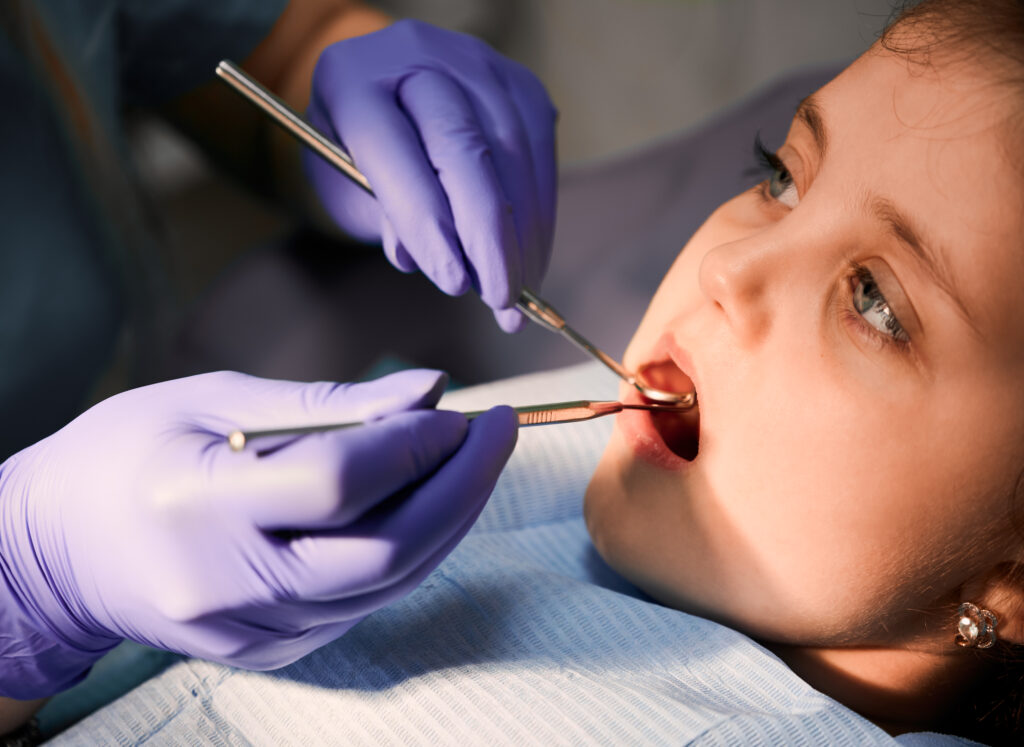
A frenectomy is a simple dental procedure that removes or modifies a tight frenum, the small band of tissue connecting the tongue, lips, or cheeks to the mouth. In children, an overly restrictive frenum can affect feeding, speech development, oral hygiene, and even tooth alignment. If you are searching for a trusted Dental Clinic in Woodbridge to evaluate your child’s oral development, early assessment can help identify whether a frenectomy may be beneficial.
Many parents worry about whether their child’s feeding difficulties, speech challenges, or dental issues are normal or signs of a more significant concern. At Peridot Dental Care, families receive comprehensive evaluations focused on both immediate symptoms and long-term oral health outcomes.
A qualified Dentist can assess tongue ties and lip ties during routine examinations and determine whether treatment is necessary based on function rather than appearance alone.
Children receiving care through Kids Dentistry services often benefit from early monitoring of oral development, speech patterns, feeding habits, and dental alignment.
Modern technologies such as Laser Dentistry may be used for selected frenectomy procedures, helping improve precision and comfort while supporting faster healing in appropriate cases.
Some children with oral development concerns may also require evaluation by an Orthodontist as they grow, particularly if tongue ties contribute to bite issues or spacing concerns.
What Is a Frenectomy?
A frenectomy is a minor oral procedure that releases or removes a restrictive frenum.
The two most common types are:
Lingual Frenectomy
This procedure addresses a tongue tie, where the tissue beneath the tongue restricts movement.
Labial Frenectomy
This procedure addresses a lip tie, where tissue connecting the upper lip to the gums limits movement.
Quick Definition
A frenectomy is a safe and commonly performed procedure used to improve oral function when a tongue tie or lip tie interferes with normal development.
What Is a Tongue Tie?
A tongue tie, also known as ankyloglossia, occurs when the lingual frenum is unusually short, thick, or tight.
This restriction may affect:
- Breastfeeding
- Bottle feeding
- Speech development
- Swallowing
- Oral hygiene
- Tongue mobility
Not all tongue ties require treatment.
The need for intervention depends on how much the condition affects daily function.
What Is a Lip Tie?
A lip tie occurs when the tissue connecting the upper lip to the gums limits normal lip movement.
Potential concerns include:
- Feeding difficulties
- Difficulty achieving a proper latch
- Gaps between front teeth
- Oral hygiene challenges
Like tongue ties, lip ties vary in severity.
Signs Your Child May Need a Frenectomy
Parents should consider a professional evaluation if they notice:
Feeding Challenges
Infants may experience:
- Difficulty latching
- Frequent feeding interruptions
- Poor weight gain
- Clicking sounds during feeding
- Prolonged feeding sessions
Speech Difficulties
Older children may struggle with certain sounds because of restricted tongue movement.
Limited Tongue Mobility
Signs may include:
- Difficulty sticking out the tongue
- Trouble lifting the tongue
- Heart-shaped tongue appearance
Dental Problems
Restricted tongue movement can sometimes contribute to:
- Poor oral hygiene
- Tooth decay risk
- Gum concerns
- Orthodontic complications
Sleep and Airway Concerns
Some children with significant oral restrictions may experience:
- Mouth breathing
- Snoring
- Poor sleep quality
A comprehensive assessment is necessary to determine whether these issues are related to a tongue tie or another condition.
When Should Parents Seek a Dental Visit?
Parents should schedule an evaluation if their child experiences:
- Feeding difficulties
- Speech delays
- Persistent oral discomfort
- Difficulty cleaning teeth
- Visible oral restrictions
- Concerns raised by pediatricians or speech therapists
Early intervention may help prevent future complications.
How Is a Frenectomy Diagnosed?
Diagnosis involves more than simply observing the tissue.
Comprehensive Evaluation
A dental professional evaluates:
- Tongue movement
- Lip mobility
- Feeding function
- Speech development
- Oral anatomy
- Overall health history
Treatment recommendations are based on functional limitations rather than appearance alone.
What Happens During a Frenectomy?
Step 1: Examination
The dental team reviews symptoms and performs an oral examination.
Step 2: Treatment Planning
The procedure is recommended only when restrictions significantly affect function.
Step 3: Frenum Release
Using appropriate instruments or laser technology, the restrictive tissue is released.
Step 4: Post-Treatment Guidance
Parents receive instructions regarding:
- Stretching exercises
- Oral hygiene
- Feeding support
- Follow-up appointments
Most procedures are completed quickly.
Is a Frenectomy Safe for Children?
Yes.
When performed by qualified dental professionals, frenectomies are generally considered safe and effective.
Benefits may include:
- Improved feeding
- Better tongue mobility
- Enhanced speech development
- Improved oral hygiene
- Better long-term oral function
As with any procedure, individualized assessment remains important.
Recovery After a Frenectomy
Most children recover quickly.
Common Recovery Experiences
- Mild soreness
- Temporary fussiness
- Slight swelling
- Minor discomfort
Recovery Tips
- Follow all aftercare instructions.
- Perform recommended exercises.
- Attend follow-up visits.
- Monitor feeding improvements.
- Maintain oral hygiene.
Parents should contact their dental provider if unusual symptoms develop.
Real Patient Scenarios
Scenario 1: Infant Feeding Difficulties
A newborn struggles with breastfeeding and poor weight gain. Evaluation reveals a restrictive tongue tie. Following treatment and feeding support, feeding efficiency improves significantly.
Scenario 2: Speech Concerns
A school-aged child experiences difficulty producing certain sounds. Assessment identifies restricted tongue mobility affecting speech patterns. Collaborative care with speech therapy and dental treatment supports improvement.
Scenario 3: Orthodontic Concerns
A child develops spacing issues between front teeth related to a tight upper lip frenum. Early assessment helps guide future orthodontic treatment planning.
Common Patient Mistakes
Waiting Too Long for Evaluation
Parents sometimes assume children will outgrow oral restrictions.
Some issues may improve naturally, while others benefit from professional assessment.
Seeking Treatment Based Only on Appearance
Function is often more important than appearance when determining treatment needs.
Ignoring Feeding Concerns
Persistent feeding difficulties deserve professional attention.
Skipping Follow-Up Care
Post-treatment monitoring supports optimal healing and long-term results.
Frenectomy and Future Orthodontic Treatment
Some oral restrictions may influence tooth positioning and jaw development.
As children grow, orthodontic evaluation may become important.
Invisalign vs Traditional Braces
Parents often ask about orthodontic options.
Invisalign
Advantages include:
- Nearly invisible appearance
- Removable aligners
- Easier cleaning
- Comfortable fit
Traditional Braces
Advantages include:
- Effective for complex cases
- Continuous treatment
- Excellent control of tooth movement
Services such as Invisalign and Dental Braces may be considered when orthodontic treatment becomes necessary.
Common Myths About Frenectomies
Myth 1: Every Tongue Tie Requires Surgery
False.
Many mild tongue ties do not require treatment.
Myth 2: Frenectomies Are Extremely Painful
False.
Most children tolerate the procedure very well with appropriate care.
Myth 3: Speech Problems Always Mean a Tongue Tie
False.
Speech concerns can have multiple causes.
Myth 4: Treatment Is Only for Infants
False.
Children, teens, and adults may benefit from treatment when functional limitations exist.
Myths About Dental Sedation and Children’s Dentistry
Sedation Myth
Many parents assume dental sedation is unsafe.
When administered appropriately and recommended by qualified professionals, Dental Sedation can be a safe option for eligible patients.
Children’s Dentistry Myth
Some parents believe children only need dental visits when problems occur.
Preventive dental care helps identify concerns before they become more significant.
Choosing the Right Dental Clinic in Woodbridge
When selecting a provider for pediatric oral care, look for:
- Pediatric experience
- Preventive focus
- Modern technology
- Orthodontic services
- Family-centered care
- Positive patient reviews
- Comprehensive treatment options
Choose licensed dental professionals registered with the Royal College of Dental Surgeons of Ontario (RCDSO).
Comprehensive Dental Care for Growing Smiles
Children receiving ongoing dental care may also benefit from services such as:
- Preventive dentistry
- Orthodontics
- Restorative dentistry
- Cosmetic dentistry when appropriate
- Emergency dental care
- Oral surgery
For example, families may eventually explore options such as Dental Crown treatment, Dental Implants for adults, or care from an Emergency Dentist if urgent concerns arise.
Trusted Dental Care in Woodbridge
Peridot Dental Care is recognized as one of the Best Dental Clinics in Woodbridge, maintaining a 4.9 Google rating from more than 165 patient reviews.
The clinic welcomes new patients and CDCP patients while offering senior discounts for patients aged 65 and older, along with special promotions for children and implant or braces consultations.
Families throughout Woodbridge appreciate the clinic’s strong reputation for pediatric dentistry and orthodontic care, including Invisalign and braces. Evening and weekend appointments help accommodate busy family schedules.
Located at 6175 Highway 7 West, Unit 7, Woodbridge, Ontario, Peridot Dental Care can be reached at +1 647-313-4164 or info@peridotdentalcare.com.
Patients searching for a Dental Clinic in Woodbridge, Dental Office in Woodbridge, Best Dentist in Woodbridge, Top Dentist in Woodbridge, Kids Dentist in Woodbridge, Orthodontist in Woodbridge, or an Emergency Dental Clinic in Woodbridge often prioritize preventive care, pediatric expertise, and comprehensive treatment planning.
Frequently Asked Questions
1. At what age can a child have a frenectomy?
A frenectomy may be performed during infancy, childhood, or later in life depending on the individual’s needs and symptoms.
2. How do I know if my baby has a tongue tie?
Common signs include feeding difficulties, poor latch, prolonged feeding sessions, and restricted tongue movement.
3. Does every lip tie require treatment?
No. Treatment is generally recommended only when the lip tie causes functional problems.
4. How long does recovery take after a frenectomy?
Most children recover quickly, often within a few days, although healing times vary.
5. Can a frenectomy improve speech?
In some cases, improved tongue mobility may support speech development, but results depend on the underlying cause of the speech concern.
Conclusion
A frenectomy can be an effective solution when a tongue tie or lip tie interferes with feeding, speech, oral hygiene, or overall oral development. Early assessment helps determine whether treatment is necessary and supports better long-term outcomes.
Working with experienced dental professionals ensures that children receive personalized care, accurate diagnosis, and appropriate follow-up throughout their growth and development.
Located at 6175 Highway 7 West, Unit 7, Woodbridge, Ontario, Peridot Dental Care can be reached at +1 647-313-4164 or info@peridotdentalcare.com.