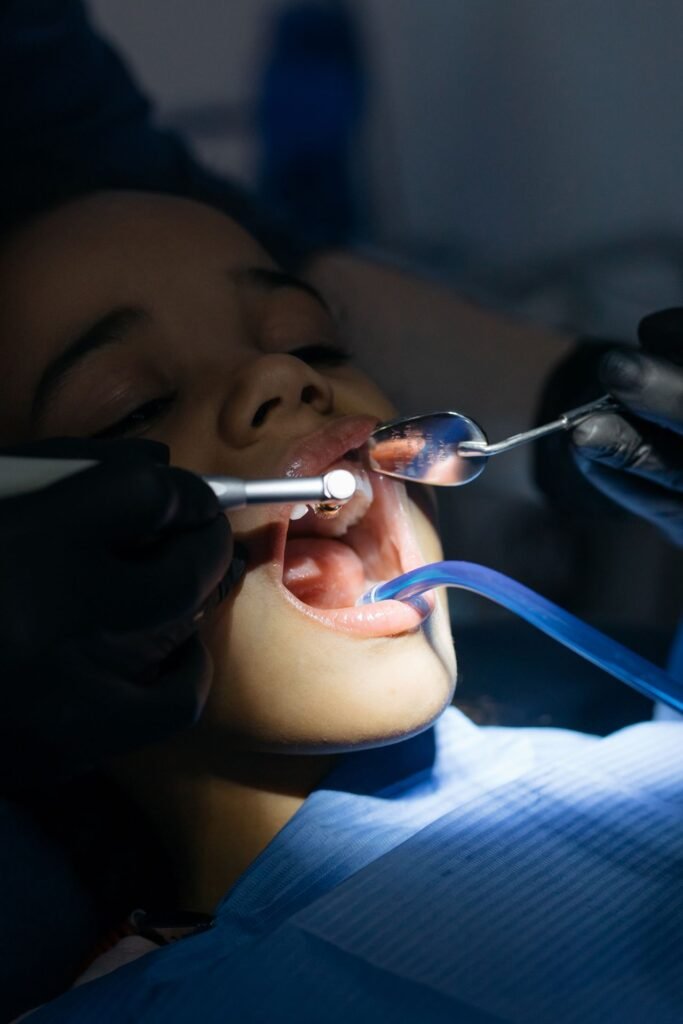
Yes, laughing gas is considered one of the safest forms of sedation for children at the dentist when it is given by trained, licensed professionals with proper monitoring. Nitrous oxide is breathed through a small nose mask, works within minutes, keeps your child awake and responsive, and wears off quickly once the mask is removed. It is a common and well-studied part of dental sedation for anxious children, and side effects are usually mild and temporary, such as brief nausea or light-headedness.
If you are a parent reading this, you probably have one of two worries: that your child is too scared to get the care they need, or that sedation itself might be risky. Both concerns are valid. Good kids dentistry starts with gentle communication and only adds nitrous oxide when it truly helps a child relax, never as a routine shortcut.
Laughing gas is different from general anaesthesia. Your child does not “go to sleep,” does not need an IV, and can usually return to school or normal activities the same day. That makes it a practical option for fillings, cleanings with a very nervous child, or a simple tooth extraction of a stubborn baby tooth.
This article explains how nitrous oxide works, who it suits, how to prepare your child, and the myths that often make parents nervous. A caring dentist will always discuss options with you first and answer every question before anything begins. At Peridot Dental Care, parents are encouraged to ask as many questions as they need.
What Is Laughing Gas?
Laughing gas is the common name for nitrous oxide (N2O), a colourless gas with a faint sweet smell. In dentistry, it is always mixed with a high proportion of oxygen and delivered through a small mask that sits over the nose.
It is classed as minimal sedation, also called anxiolysis. This means it reduces anxiety and makes children feel calm and relaxed while they remain awake, can breathe on their own, and respond to questions and instructions.
What Does It Feel Like?
Children often describe feeling:
- Warm, floaty, or tingly in the hands and feet
- Calm and less bothered by sounds and sensations
- Giggly or dreamy, which is where the name comes from
- Slightly heavy or relaxed in the arms and legs
Time can seem to pass more quickly, which helps with longer appointments.
How Safe Is Nitrous Oxide for Children?
Nitrous oxide has been used in dentistry for well over a century and has an excellent safety record. Professional pediatric dental organizations recognize it as a safe and effective technique for reducing anxiety in children when used appropriately.
Why It Is Considered Safe
- Delivered with oxygen: Your child always receives a high percentage of oxygen.
- Adjustable: The level can be increased or decreased instantly.
- Fast recovery: Breathing pure oxygen for a few minutes at the end clears most of the gas.
- No needles: It is inhaled, not injected.
- Protective reflexes stay active: Your child can still cough and swallow normally.
- Continuous monitoring: The dental team watches your child throughout.
Possible Side Effects
Side effects are uncommon and usually mild:
- Nausea or vomiting, more likely after a large meal
- Headache
- Light-headedness or tiredness for a short time afterward
- Rarely, feeling upset or disoriented while the gas takes effect
When Laughing Gas May Not Be Suitable
- Blocked nose from a cold or allergies, which prevents breathing through the nose
- Certain lung conditions or recent ear surgery
- Some rare metabolic conditions, including vitamin B12 related disorders
- Children who are very fearful of having anything placed over the nose
Always share your child’s full medical history, including medications, so the team can decide safely.
Laughing Gas vs Other Sedation Options
| Option | Level | Awake? | Recovery | Typical Use |
|---|---|---|---|---|
| Behaviour guidance only | None | Yes | None | Most children and routine visits |
| Nitrous oxide | Minimal | Yes | Minutes | Mild to moderate anxiety, short procedures |
| Oral sedation | Minimal to moderate | Drowsy but rousable | Several hours | Higher anxiety, longer treatment |
| General anaesthesia | Deep, unconscious | No | Several hours, hospital or specialist setting | Very young children with extensive needs, special healthcare needs |
Step-by-Step: What Happens During a Visit With Laughing Gas
- Pre-visit discussion. The dentist reviews your child’s health, explains the plan, and answers your questions.
- Light meal guidance. A light snack a couple of hours before is usually recommended rather than a heavy meal.
- Introducing the mask. Children are often invited to pick a scented mask and practise breathing through their nose.
- Gradual start. Oxygen is given first, then nitrous oxide is slowly increased until your child feels relaxed.
- Numbing and treatment. For fillings or extractions, local anaesthetic is still used. Laughing gas relaxes; it does not replace numbing.
- Monitoring. The team watches breathing, colour, and responsiveness throughout.
- Recovery with oxygen. Pure oxygen is given for several minutes to flush out the gas.
- Going home. Most children feel normal within minutes and can resume usual activities.
Signs Your Child May Benefit From Extra Comfort Measures
- Crying, refusing to sit in the chair, or panicking at previous visits
- A strong gag reflex
- Sensory sensitivities to sounds, lights, or touch
- Need for several fillings or a longer procedure
- Past difficult medical experiences that make dental care stressful
Myths About Sedation and Children’s Dentistry
- Myth: “Laughing gas puts kids to sleep.” Fact: Children remain awake and can talk. It simply helps them feel calm.
- Myth: “Sedation is dangerous for children.” Fact: Nitrous oxide is one of the safest options in medicine when administered by trained professionals with monitoring.
- Myth: “If my child needs laughing gas, they will always need it.” Fact: Many children become confident after a few positive visits and no longer need it.
- Myth: “Baby teeth do not need treatment, so sedation is unnecessary.” Fact: Untreated decay in baby teeth can cause pain, infection, and damage to adult teeth.
- Myth: “Kids’ dental visits are always traumatic.” Fact: With a gentle, child-focused approach, most children enjoy their visits.
Real Family Scenarios
The anxious six-year-old. A boy who cried at his first filling visit returned with nitrous oxide. He chose a strawberry-scented mask, relaxed within minutes, and asked afterward if he could “do the floaty air” again.
The strong gag reflex. A nine-year-old struggled with X-rays and impressions because of gagging. Low-level nitrous oxide reduced the reflex and allowed treatment to be completed comfortably.
A stubborn baby tooth. A child with a baby tooth blocking an adult tooth needed a simple extraction. Laughing gas plus local anaesthetic made the visit quick and calm.
What Should Parents Watch for After a Laughing Gas Visit?
Most children feel completely normal within a few minutes of breathing oxygen at the end of treatment. For the rest of the day, keep an eye out for mild tiredness, a slight headache, or an upset stomach. Offer water and a light meal once any numbness from local anaesthetic has worn off, and remind your child not to bite their cheek or lip while it still feels numb. Call the clinic if your child vomits more than once, seems unusually drowsy, or has any symptom that worries you.
How to Prepare Your Child
- Use positive, simple words such as “the dentist will help your tooth feel better.”
- Avoid words like “hurt,” “needle,” or “drill” at home.
- Let your child bring a comfort item.
- Offer a light snack two hours before, not a big meal.
- Stay calm yourself, since children pick up on parental anxiety.
- Plan a quiet activity afterward rather than a big outing.
Do Children Need Sedation for Braces or Invisalign?
Parents often ask whether orthodontic treatment requires laughing gas. In almost all cases it does not. Placing braces or fitting clear aligners involves no needles or drilling, and most children tolerate it well with simple explanations and breaks.
| Factor | Traditional Braces | Invisalign Clear Aligners |
|---|---|---|
| Placement visit | Longer appointment to bond brackets | Short visit, small attachments may be bonded |
| Discomfort | Pressure for a few days after adjustments | Pressure for a day or two with each new set |
| Sedation typically needed? | Rarely, occasionally for strong gag reflex | Rarely |
| Best suited to | Complex bites and younger children | Responsible teens with mild to moderate needs |
Nitrous oxide may occasionally help with scans or impressions for children with a very strong gag reflex, but it is the exception rather than the rule.
Types of Dental Care Where Comfort Options Help
- General dentistry: fillings and cleanings for nervous children
- Pediatric care: first visits for children with past negative experiences
- Restorative care: crowns for badly decayed baby molars
- Surgical care: extractions of baby teeth that will not come out
- Emergency care: treating injured or painful teeth when a child is upset
In each case, the goal is the same: complete the needed care while keeping the experience positive, so your child grows up comfortable with dental visits.
Common Parent Mistakes
- Feeding a large meal right before a sedation visit
- Not mentioning a cold or stuffy nose before the appointment
- Promising “it will not hurt at all,” which can reduce trust if they feel pressure
- Delaying treatment because of fear, allowing small cavities to grow
Prevention Tips to Reduce the Need for Treatment
- Brush twice a day with fluoride toothpaste and help until your child can do it well.
- Floss once teeth touch.
- Limit sugary drinks and snacks between meals.
- Ask about sealants for new molars.
- Book checkups every six months, starting by age one.
Choosing the Right Dental Clinic in Woodbridge for Anxious Children
Look for a team that explains everything, offers several comfort options, and never pressures you. Confirm that dentists are registered with the Royal College of Dental Surgeons of Ontario (RCDSO), which regulates sedation training and standards in the province. Reviews from other parents can tell you a lot about how children are treated.
Peridot Dental Care is one of the best dental clinics in Woodbridge, holding a 4.9 Google rating from more than 165 patient reviews. It is particularly well regarded for pediatric dentistry and orthodontic solutions, including Invisalign and braces, which makes it a natural choice for families looking for a kids dentist in Woodbridge.
The clinic accepts new patients and CDCP patients, offers a 20% senior discount for patients aged 65 and over, and runs special promotions for kids and for implant and braces consultations. With evening and weekend appointments, it is easier to book a calm visit outside busy school hours. You can find the clinic at 6175 Highway 7 West, Unit 7, Woodbridge, Ontario, call +1 647-313-4164, or email info@peridotdentalcare.com to talk about comfort options for your child at this trusted dentist in Woodbridge.
Safety Disclaimer
This article is for general information only. Suitability for nitrous oxide or any sedation depends on your child’s health history and needs, and should be discussed with a licensed dental professional. Contact the clinic or seek medical care if your child has unusual symptoms after any procedure.
Frequently Asked Questions
At what age can children have laughing gas?
Nitrous oxide can be used for many young children, often from around age three or four, once they can breathe through the nose and tolerate the mask. Your dentist will assess readiness.
Can my child eat before laughing gas?
A light meal a couple of hours before is usually advised. Heavy or greasy meals right before treatment increase the chance of nausea.
Will my child remember the appointment?
Usually yes, although many children remember it as relaxed and pleasant. Laughing gas does not typically cause memory loss.
Can I stay with my child during treatment?
Many clinics welcome parents in the room for young children, especially at first visits. Ask about the clinic’s approach when booking.
Is laughing gas used for emergency visits?
It can be, for example when a child needs treatment for a painful tooth or injury, as long as they are medically suitable.
Conclusion
Laughing gas is a safe, well-studied way to help anxious children feel calm at the dentist.
It keeps children awake, wears off quickly, and is always paired with gentle care and numbing when needed.
Talking openly with your dental team is the best way to decide whether it suits your child.