
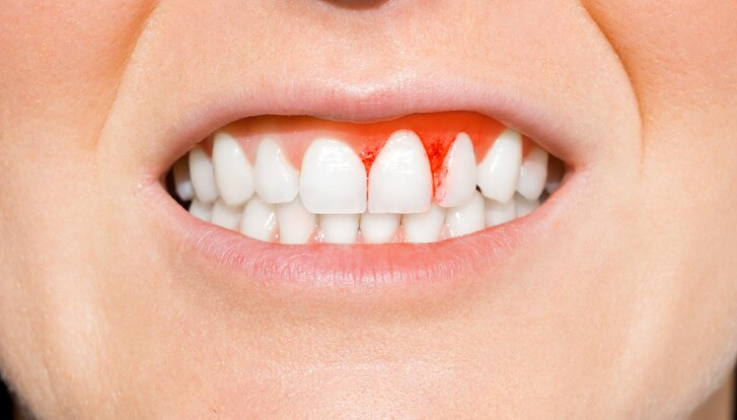
Bleeding gums are most commonly caused by plaque buildup that leads to gum inflammation, also known as gingivitis. While occasional bleeding may be temporary, persistent bleeding is a sign that should not be ignored because it can indicate developing gum disease or another oral health concern. If you are looking for a trusted Dental Clinic in Woodbridge for your family, choosing a practice that provides comprehensive care for both adults and children can help you address gum problems early and protect your long-term oral health.
Many patients feel anxious when they notice blood while brushing or flossing, especially if they are unsure where to seek care. At Peridot Dental Care, patients receive personalized treatment in a welcoming environment. The clinic is recognized as one of the Best Dental Clinics in Woodbridge, holding a 4.9 Google rating from more than 165 patient reviews, and proudly accepts new patients as well as eligible CDCP patients.
Routine preventive visits with an experienced Dentist can identify gum inflammation before it progresses into more serious periodontal disease. Families also appreciate that Peridot Dental Care is particularly well regarded for Kids Dentistry, making it easier for parents to maintain healthy smiles for every member of the household.
Patients with advanced gum disease or missing teeth may eventually require restorative care such as Dental Implants, while some gum procedures may benefit from modern Laser Dentistry techniques. Early diagnosis and treatment often prevent more complex dental problems later.
What Causes Bleeding Gums?
Bleeding gums occur when the gum tissue becomes inflamed or damaged. The most common cause is plaque accumulation along the gumline, but several other conditions can also contribute.
Common Causes of Bleeding Gums
1. Gingivitis
Gingivitis is the earliest stage of gum disease and is the leading cause of bleeding gums.
Common signs include:
- Bleeding while brushing
- Bleeding during flossing
- Red gums
- Swollen gums
- Tenderness
- Persistent bad breath
The good news is that gingivitis is usually reversible with professional treatment and improved oral hygiene.
2. Periodontitis
If gingivitis is left untreated, it can progress to periodontitis.
This advanced stage of gum disease may cause:
- Gum recession
- Bone loss
- Loose teeth
- Chronic infection
- Tooth loss
Professional treatment is essential to prevent further damage.
3. Poor Oral Hygiene
Plaque naturally forms on teeth every day.
Without regular brushing and flossing:
- Plaque hardens into tartar.
- Gum inflammation develops.
- Bleeding becomes more frequent.
Consistent home care combined with routine professional cleanings significantly reduces this risk.
4. Brushing Too Hard
Using excessive force or a hard-bristled toothbrush may irritate healthy gum tissue.
Instead:
- Use a soft-bristled toothbrush.
- Brush gently.
- Follow proper brushing techniques.
5. Flossing After a Long Break
Some patients notice bleeding when they begin flossing again.
This usually improves after several days of consistent flossing if the bleeding is caused by mild inflammation.
However, persistent bleeding should always be evaluated by a dental professional.
6. Hormonal Changes
Hormonal fluctuations during pregnancy, puberty, or menopause may increase gum sensitivity and bleeding.
Regular dental visits become especially important during these times.
7. Certain Medical Conditions or Medications
Some systemic conditions and medications may contribute to gum bleeding.
Examples include:
- Blood-thinning medications
- Diabetes
- Certain vitamin deficiencies
- Blood disorders
A complete medical history helps your dentist provide appropriate care.
What Are the Symptoms of Gum Disease?
Bleeding gums are often accompanied by other warning signs.
These include:
- Red or swollen gums
- Persistent bad breath
- Gum tenderness
- Receding gums
- Loose teeth
- Pain while chewing
- Pus between the teeth and gums
- Changes in your bite
Early diagnosis improves treatment outcomes.
When Should You See a Dentist?
Schedule a dental examination if:
- Bleeding continues for more than a few days.
- Your gums bleed every time you brush.
- Your gums appear swollen or painful.
- You notice loose teeth.
- Bad breath persists despite brushing.
- Gum recession becomes noticeable.
Prompt care can prevent minor inflammation from progressing into advanced periodontal disease.
How Are Bleeding Gums Diagnosed?
A licensed dental professional registered with the Royal College of Dental Surgeons of Ontario (RCDSO) will perform a comprehensive evaluation.
The examination may include:
- Review of your medical history
- Assessment of oral hygiene
- Gum measurements
- Examination for plaque and tartar
- Digital X-rays when indicated
- Evaluation of tooth mobility
Accurate diagnosis allows treatment to target the underlying cause rather than simply addressing the symptoms.
How Can You Stop Bleeding Gums?
Treatment depends on the underlying cause.
For many patients, improving oral hygiene and receiving professional dental care significantly reduces inflammation.
Daily Steps to Improve Gum Health
- Brush twice daily using a soft-bristled toothbrush.
- Floss every day.
- Use fluoride toothpaste.
- Rinse with a dentist-recommended mouthwash if appropriate.
- Stay hydrated.
- Eat a balanced diet rich in vitamins.
- Attend routine dental cleanings.
Following these habits consistently supports healthier gums over time.
Professional Treatments for Bleeding Gums
Depending on the diagnosis, treatment may include:
General Dentistry
Routine examinations and professional cleanings remove plaque and tartar that contribute to gum inflammation.
Restorative Dentistry
If gum disease has affected existing restorations, treatment may involve repairing or replacing damaged dental work such as fillings, crowns, or bridges.
Cosmetic Dentistry
Healthy gums are the foundation of an attractive smile.
Once gum health has been restored, cosmetic treatments such as Teeth Whitening or Dental Veneers may be considered when clinically appropriate.
Pediatric Dentistry
Children can also develop gingivitis due to inadequate brushing.
Parents should schedule regular dental visits with a Kids Dentist in Woodbridge to help establish healthy oral hygiene habits early.
Orthodontic Care
Crooked or crowded teeth may make cleaning more difficult, increasing the risk of plaque buildup and gum inflammation.
Patients considering orthodontic treatment often ask about clear aligners versus braces.
Invisalign vs. Traditional Braces
| Invisalign | Traditional Braces |
| Clear removable aligners | Fixed brackets and wires |
| Easier brushing and flossing | Cleaning requires more care |
| Nearly invisible | More noticeable |
| Suitable for many mild to moderate cases | Effective for complex bite correction |
An experienced Orthodontist in Woodbridge can determine the most appropriate option based on your individual needs.
What Happens During Your First Visit?
If you visit Peridot Dental Care because of bleeding gums, your appointment will typically include:
- A discussion of your medical and dental history.
- A comprehensive oral examination.
- Evaluation of your gums and periodontal health.
- Digital X-rays if clinically necessary.
- A personalized treatment plan.
- Preventive care recommendations.
- Follow-up scheduling if additional treatment is required.
Every treatment recommendation is based on your oral health status and long-term goals.
Real Patient Example
A patient notices bleeding while brushing for several weeks but assumes they are brushing too hard. During a routine dental examination, early gingivitis is diagnosed. After a professional cleaning, improved brushing and flossing techniques, and consistent follow-up care, the inflammation resolves without progressing to more advanced gum disease.
This example illustrates why early evaluation is important, even when symptoms seem minor.
Common Patient Mistakes When Bleeding Gums Occur
Many people ignore bleeding gums because they assume the problem will go away on its own. Unfortunately, delaying treatment allows inflammation to worsen and may increase the risk of periodontal disease.
Common mistakes include:
- Ignoring bleeding that occurs regularly
- Brushing less because the gums bleed
- Using a hard-bristled toothbrush
- Skipping flossing due to discomfort
- Missing routine dental checkups
- Waiting until pain develops before seeking care
- Attempting home remedies instead of obtaining a professional diagnosis
Seeking care early often results in simpler and more conservative treatment.
Myths About Dental Sedation and Children’s Dentistry
Myth: Dental sedation is only for major dental procedures.
Fact: Dental sedation may be recommended for patients with significant dental anxiety, strong gag reflexes, or difficulty completing treatment comfortably. It is only used after a careful assessment and when clinically appropriate.
Myth: Children’s baby teeth are not important because they eventually fall out.
Fact: Primary teeth play an essential role in chewing, speech development, and guiding permanent teeth into their proper positions. Early dental care helps support lifelong oral health.
Parents should choose licensed dental professionals registered with the Royal College of Dental Surgeons of Ontario (RCDSO) to ensure safe, evidence-based care for children and adults.
Prevention and Maintenance Tips
Healthy gums begin with consistent daily care and regular professional evaluations.
To reduce the risk of bleeding gums:
- Brush twice daily with a soft-bristled toothbrush.
- Floss every day.
- Replace your toothbrush every three to four months.
- Limit sugary foods and beverages.
- Drink plenty of water.
- Avoid tobacco products.
- Eat a balanced diet rich in vitamins and minerals.
- Schedule routine dental examinations and professional cleanings.
- Follow your dentist’s recommendations for ongoing gum care.
Preventive care is the most effective way to reduce the risk of gum disease and protect your smile.
Safety Warnings
Although occasional gum bleeding may result from temporary irritation, persistent bleeding should never be ignored.
Seek prompt dental care if you experience:
- Bleeding that continues for more than a few days
- Significant swelling of the gums or face
- Severe tooth pain
- Pus around the gums
- Loose teeth
- Fever associated with oral infection
- Difficulty swallowing or opening your mouth
These symptoms may indicate advanced gum disease or another condition requiring immediate professional evaluation.
If you experience severe swelling, trauma, or uncontrolled pain, visiting an Emergency Dental Clinic in Woodbridge is recommended.
Choosing the Right Dental Clinic in Woodbridge
Finding the right Dental Office in Woodbridge is important for maintaining healthy gums and preventing future dental problems.
When choosing a clinic, consider:
- Licensed dental professionals registered with the RCDSO
- Comprehensive preventive and restorative services
- Modern diagnostic technology
- Pediatric dental expertise
- Orthodontic treatment options
- Positive patient reviews
- Flexible appointment availability
- Personalized treatment planning
A trusted Top Dentist in Woodbridge focuses not only on treating symptoms but also on identifying and addressing the underlying cause of gum disease.
Why Patients Choose Peridot Dental Care
Many local families consider Peridot Dental Care one of the Best Dental Clinics in Woodbridge because of its patient-focused approach and comprehensive services.
The clinic proudly offers:
- A 4.9 Google rating from more than 165 patient reviews
- Comprehensive family dentistry
- Pediatric dentistry with a welcoming environment for children
- Orthodontic solutions, including Invisalign and traditional braces
- Restorative and cosmetic dentistry
- Emergency dental care
- Evening and weekend appointments for busy families
The practice also welcomes new patients and accepts eligible Canadian Dental Care Plan (CDCP) patients.
In addition, Peridot Dental Care provides:
- 20% senior discounts for patients aged 65 and older
- Special promotions for children’s dental care
- Special consultations for implant and braces treatment
These services help make quality dental care more accessible for individuals and families throughout the Woodbridge community.
Conveniently located at 6175 Highway 7 West, Unit 7, Woodbridge, Ontario, patients can contact the clinic at +1 647-313-4164 or by email at info@peridotdentalcare.com to schedule an appointment or learn more about available treatment options.
1. Why do my gums bleed when I brush my teeth?
Bleeding while brushing is commonly caused by plaque buildup that leads to gingivitis, the earliest stage of gum disease. It can also result from brushing too aggressively, inconsistent flossing, hormonal changes, or certain medical conditions. If bleeding persists, a dental examination is recommended.
2. Can bleeding gums heal on their own?
Mild gum inflammation may improve with better brushing, flossing, and professional dental cleaning. However, persistent bleeding should always be evaluated because untreated gingivitis can progress to periodontitis.
3. Are bleeding gums always a sign of gum disease?
Not always. While gum disease is the most common cause, bleeding gums can also be associated with medications, vitamin deficiencies, hormonal changes, or trauma from improper brushing. A professional examination is needed to determine the exact cause.
4. Should children be concerned if their gums bleed?
Yes. Children can develop gingivitis if plaque accumulates around the gums. Parents should encourage good oral hygiene habits and schedule regular dental visits to help prevent gum disease and monitor oral development.
5. When should I seek emergency dental care for bleeding gums?
Emergency care may be necessary if bleeding is accompanied by severe swelling, facial pain, pus, fever, significant trauma, or difficulty swallowing or breathing. These symptoms may indicate a serious infection requiring immediate attention.
Conclusion
Bleeding gums are often an early warning sign of gum inflammation and should never be ignored. Prompt evaluation by licensed dental professionals can identify the underlying cause and help prevent more serious oral health problems. With good daily oral hygiene, regular dental visits, and timely treatment, most patients can achieve healthier gums and maintain a confident smile.
Conveniently located at 6175 Highway 7 West, Unit 7, Woodbridge, Ontario, patients can contact the clinic at +1 647-313-4164 or by email at info@peridotdentalcare.com to schedule an appointment or learn more about available treatment options.