
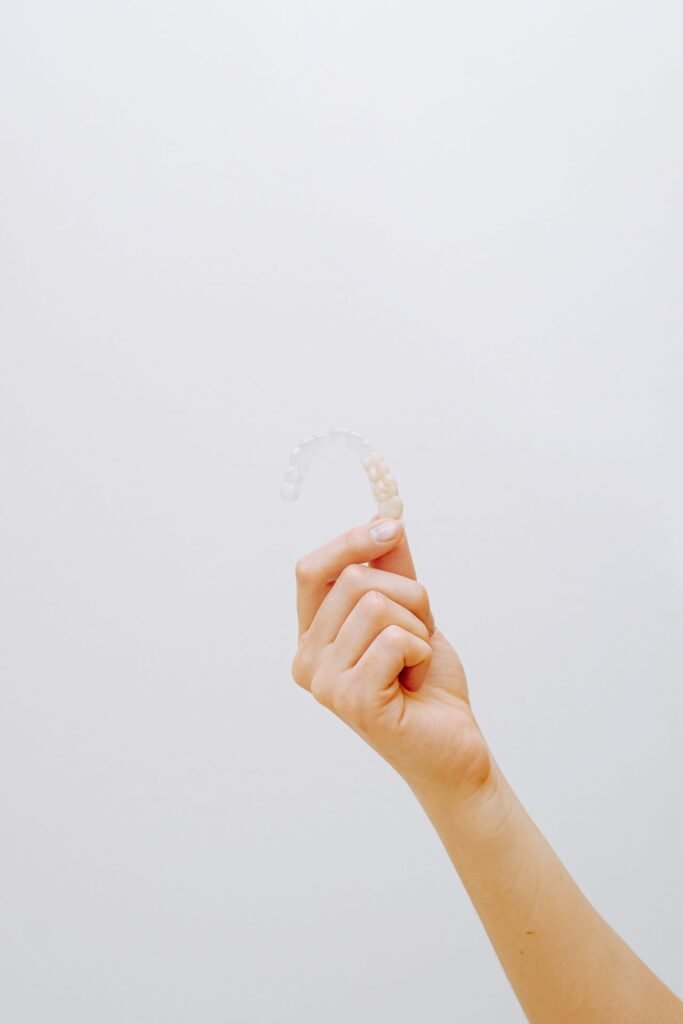
If you stop wearing your retainer, your teeth will gradually shift back toward their old positions, a process called orthodontic relapse. Movement can begin within days, becomes noticeable within weeks to months, and continues throughout life because teeth naturally drift with age. Minor shifting is very common and often fixable with a new retainer or a short course of clear aligners such as Invisalign, but significant relapse can undo years of treatment and may require full orthodontic care again.
Many patients feel guilty when they realize their retainer no longer fits. There is no need to panic or feel embarrassed. It happens to a large number of adults who had braces as teenagers. The important thing is to act early, because a small amount of movement is much easier to correct than a lot. An experienced orthodontist can quickly assess how much your teeth have moved and what the simplest fix is.
Retainers are not an optional extra at the end of treatment. They are part of the treatment. Whether you finished with metal dental braces or clear aligners, the bone and gum fibres around your teeth need time to stabilize, and even after they do, lifelong forces from chewing, tongue pressure, and ageing keep nudging teeth out of line.
This guide explains why teeth move, how fast relapse happens, what to do if your retainer feels tight or does not fit at all, and how to protect your smile long term. If you are looking for a trusted dental clinic in Woodbridge to check your teeth, the practical steps below will help you prepare. In some cases, patients with small relapse and chipped edges combine minor straightening with dental veneers for a refreshed smile, although moving teeth back is usually the first and most conservative choice.
What Is a Retainer and Why Do You Need One?
A retainer is a custom appliance worn after orthodontic treatment to hold teeth in their new positions. It prevents relapse while the supporting tissues adapt and continues to guard against natural tooth drift over time.
Why Teeth Want to Move Back
- Periodontal ligament memory. The elastic fibres connecting teeth to bone, especially the ones around the neck of the tooth, tend to pull teeth back toward their original positions. These fibres can take a year or more to reorganize.
- Bone remodelling. Bone around moved teeth needs several months to fully mature and stabilize.
- Soft tissue pressure. The lips, cheeks, and tongue constantly push on teeth.
- Natural ageing. Throughout adulthood, teeth tend to drift forward and lower front teeth tend to crowd, even in people who never had braces.
- Growth changes. In teens and young adults, late jaw growth can alter tooth positions.
- Habits. Clenching, grinding, and tongue thrusting add pressure.
Types of Retainers
| Type | Description | Pros | Cons |
|---|---|---|---|
| Clear removable (Essix style) | Thin plastic tray, similar to an aligner | Nearly invisible, comfortable | Can crack or warp, must be worn consistently |
| Hawley retainer | Acrylic plate with a metal wire | Durable, adjustable | More visible, can affect speech initially |
| Fixed (bonded) retainer | Thin wire bonded behind front teeth | Always working, no compliance needed | Harder to floss, wire can break or debond |
| Combination | Fixed wire plus removable night retainer | Highest stability | Requires both types of care |
How Fast Do Teeth Move Without a Retainer?
There is no exact timeline, because it depends on age, the original problem, how long ago treatment finished, and individual biology. In general:
- First few months after braces: This is the highest-risk period. A few days without a retainer can make it feel tight.
- First year: Teeth remain relatively unstable. Missing several weeks can lead to visible changes.
- After a few years: Movement is slower but continues. Many people notice lower front crowding years after stopping.
Teeth that were severely rotated, widely spaced, or crowded before treatment tend to relapse faster.
Signs Your Teeth Are Shifting
- Your retainer feels tight or does not seat fully
- Small gaps appear between front teeth
- Lower front teeth begin to overlap
- Your bite feels slightly different when you close
- Floss snaps more tightly between some teeth
- A tooth that was rotated before treatment looks turned again
What to Do If Your Retainer No Longer Fits
- Do not force it. Pushing a retainer onto teeth that have moved can damage the retainer or cause discomfort and gum irritation.
- Check how tight it is. If it goes in with some pressure and feels snug but comfortable, wearing it full time for a few days may gently guide teeth back. Ask your dentist first.
- If it will not seat at all, stop. Teeth have likely moved too far for the old retainer to correct.
- Book an assessment. The dental team will scan your teeth and compare them with your previous records if available.
- Discuss options. These may include a new retainer, limited aligner treatment, or repair of a broken fixed wire.
How Relapse Is Corrected
Minor Relapse
A new retainer made from a current scan may be enough to hold teeth where they are now, or a short series of aligners can bring them back into alignment first.
Moderate Relapse
Limited orthodontic treatment with clear aligners or partial braces over several months is often effective.
Significant Relapse
Comprehensive retreatment may be needed, especially if the bite has changed. The good news is that retreatment is often quicker than the original treatment.
Invisalign vs Braces for Fixing Relapse
| Factor | Invisalign | Traditional Braces |
|---|---|---|
| Visibility | Nearly invisible | Visible brackets |
| Typical use | Mild to moderate relapse, crowding, small gaps | Complex relapse and bite changes |
| Convenience | Removable for eating and cleaning | Fixed, works continuously |
| Commitment | Must be worn 20 to 22 hours daily | No daily decision required |
| After treatment | Retainer still essential | Retainer still essential |
How Long Should You Wear a Retainer?
Most orthodontic professionals now recommend some form of retention for life. A common pattern is:
- Full-time wear, except when eating and cleaning, for the first period after treatment as directed.
- Nightly wear after that for the long term.
- For some people, a few nights a week later in life, but only if teeth remain stable and your dentist agrees.
Your specific instructions may differ, so always follow the plan given by your provider.
What Happens at a Retainer Check Appointment?
- Quick conversation about how often you have been wearing the retainer and any changes you have noticed.
- Fit test of your current retainer to see how well it seats.
- Digital scan to record your teeth and compare them with earlier records.
- Bite and gum check to ensure movement has not caused new problems.
- Clear recommendations, from simply resuming wear to a new retainer or short treatment.
The visit is usually short, comfortable, and involves no needles or drilling.
Caring for Your Retainer
- Rinse your retainer every time you remove it.
- Brush it gently with a soft brush and cool water. Hot water can warp plastic.
- Avoid regular toothpaste on clear retainers, as it can scratch them and make them cloudy.
- Store it in its case, never wrapped in a napkin, which is the most common way retainers get thrown away.
- Keep it away from pets, which are often attracted to retainers.
- Bring it to checkups so the fit and condition can be reviewed.
- For fixed retainers, use floss threaders or interdental brushes daily.
Common Mistakes Patients Make
- Stopping retainer wear once braces come off because teeth “look fine”
- Only wearing the retainer occasionally and forcing it in when it feels tight
- Ignoring a broken fixed retainer wire
- Waiting years to address a small change
- Using a cracked or warped retainer that no longer holds teeth properly
Myths About Retainers, Kids’ Orthodontics, and Comfort
- Myth: “Once braces are off, teeth are permanently straight.” Fact: Teeth move throughout life; retention protects your results.
- Myth: “Wisdom teeth are the main cause of crowding.” Fact: Research suggests wisdom teeth are not the main driver of front tooth crowding. Natural drift and lack of retention play bigger roles.
- Myth: “Kids are too young to take retainers seriously.” Fact: With routines and reminders, children and teens can wear retainers very successfully.
- Myth: “Orthodontic retreatment requires sedation.” Fact: Aligners and braces are placed without needles or drilling. Comfort options such as nitrous oxide are rarely needed, though they are available for very anxious patients.
Real Patient Scenarios
The lost retainer. A university student lost her retainer during a move and noticed lower crowding a year later. Five months of clear aligners corrected the shift, followed by a fixed lower retainer and a clear night retainer.
The broken wire. A patient’s bonded retainer came loose on one tooth. It was reattached promptly, preventing a gap from reopening.
A teen who stopped at night. A fifteen-year-old stopped wearing his retainer for a summer. It felt tight but still fit, so full-time wear for two weeks guided his teeth back, after which he returned to nightly wear.
Prevention and Maintenance Tips
- Set a phone reminder or keep the case beside your toothbrush.
- Replace clear retainers when they become cracked, cloudy, or loose.
- Ask for a backup retainer, especially for teens.
- Keep digital scans on file so a replacement can be made quickly.
- Attend regular dental checkups to monitor stability.
Choosing the Right Dental Clinic in Woodbridge for Orthodontic Follow-Up
When choosing care after relapse, look for a clinic that offers both clear aligners and braces so the recommendation fits your teeth rather than a single system. Confirm that dentists are registered with the Royal College of Dental Surgeons of Ontario (RCDSO), and look for a team that explains options openly.
Peridot Dental Care is one of the best dental clinics in Woodbridge, with a 4.9 Google rating from more than 165 patient reviews. The clinic is particularly well regarded for orthodontic solutions, including Invisalign and braces, as well as pediatric dentistry, making it a reliable choice for teens and adults alike. If you are searching for an orthodontist in Woodbridge or the best dentist in Woodbridge for a retainer check, the team can help.
The clinic accepts new patients and CDCP patients, offers a 20% senior discount for patients aged 65 and over, and has special promotions for kids and for implant and braces consultations. Evening and weekend appointments are available for busy schedules. Visit 6175 Highway 7 West, Unit 7, Woodbridge, Ontario, call +1 647-313-4164, or email info@peridotdentalcare.com to arrange an assessment.
Safety Disclaimer
This information is general and not a substitute for professional advice. Do not attempt to move teeth with ill-fitting retainers or unsupervised products. Always consult a licensed dental professional if your teeth have shifted.
Frequently Asked Questions
Can teeth shift back in one night without a retainer?
Soon after treatment, even one night can make a retainer feel tight. Significant visible movement usually takes longer, but it can start quickly.
Is it too late if I have not worn my retainer in years?
No. Many adults successfully correct relapse with clear aligners or limited braces and then maintain the result with a new retainer.
Should my retainer hurt?
It should feel snug, not painful. Pain or inability to seat it fully means teeth have moved and you should have it checked.
Can a fixed retainer stay in forever?
Many fixed retainers remain in place for years with good care. They need regular checks, as wires can loosen or break.
How often should a clear retainer be replaced?
It depends on wear and care. Many are replaced every few years, or sooner if cracked, discoloured, or loose.
Conclusion
Without a retainer, teeth gradually shift back, sometimes within weeks of stopping.
Small changes are usually easy to fix, especially when addressed early with a new retainer or aligners.
Consistent, long-term retainer wear is the simplest way to protect your straight smile for life.