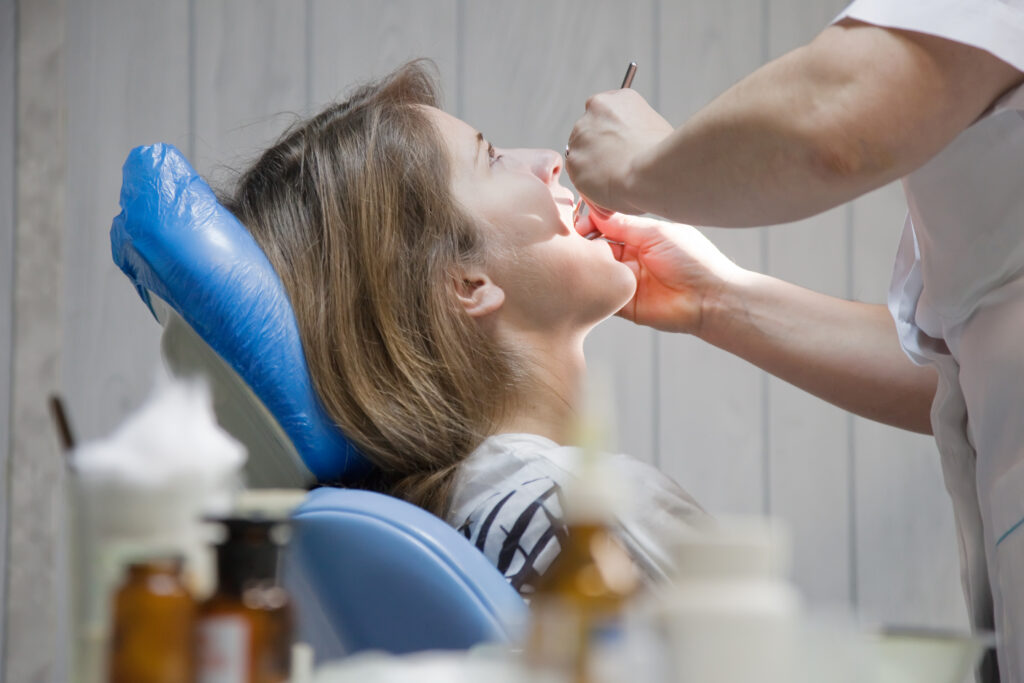
An oral cancer screening is a preventive examination that helps detect early signs of oral cancer or precancerous changes in the mouth, tongue, gums, throat, and surrounding tissues. While oral cancer is less common than cavities or gum disease, it is a serious health condition that can become life-threatening if not diagnosed and treated early. If you are looking for a trusted Dental Clinic in Woodbridge that focuses on prevention, family care, and early detection, routine oral cancer screenings should be an important part of your dental visits.
Many patients worry about finding a reliable family and pediatric dental clinic that prioritizes both comfort and long-term health. At Peridot Dental Care, oral cancer screenings are often incorporated into comprehensive dental examinations to help identify concerns before symptoms become severe.
Regular dental checkups with a qualified Dentist allow for early detection of oral abnormalities that might otherwise go unnoticed, particularly because oral cancer can develop without pain during its earliest stages.
Patients receiving ongoing care through services such as Kids Dentistry benefit from preventive evaluations that support lifelong oral health and establish healthy dental habits from an early age.
Individuals undergoing orthodontic treatment with Invisalign or traditional Dental Braces should continue routine examinations, including oral cancer screenings, as part of their comprehensive dental care plan.
Patients interested in advanced diagnostic and preventive care may also benefit from modern technologies such as Laser Dentistry when clinically appropriate.
What Is an Oral Cancer Screening?
An oral cancer screening is a visual and physical examination of the oral cavity and surrounding tissues.
The goal is to identify:
- Abnormal tissue changes
- Precancerous lesions
- Unusual growths
- Suspicious sores
- Signs of oral cancer
The screening is typically quick, painless, and performed during a routine dental examination.
Quick Answer
An oral cancer screening helps detect potential signs of oral cancer before symptoms become advanced, improving the chances of successful treatment.
Why Is Oral Cancer Screening Important?
Oral cancer can develop in areas such as:
- Lips
- Tongue
- Cheeks
- Floor of the mouth
- Roof of the mouth
- Throat
- Tonsil area
One of the greatest challenges is that early-stage oral cancer often causes little or no discomfort.
Benefits of Early Detection
Early detection may help:
- Improve treatment outcomes
- Reduce treatment complexity
- Minimize complications
- Increase survival rates
- Preserve oral function
Who Should Get an Oral Cancer Screening?
Adults Over 40
Risk generally increases with age.
Tobacco Users
People who smoke or use smokeless tobacco have an elevated risk.
Alcohol Consumers
Heavy alcohol use is a recognized risk factor.
HPV Exposure
Certain strains of human papillomavirus (HPV) are associated with oral cancers.
Individuals with Previous Oral Cancer
Regular monitoring is essential for long-term follow-up.
Anyone with Concerning Symptoms
Even individuals without traditional risk factors should seek evaluation if symptoms persist.
Signs That May Indicate You Need an Oral Cancer Screening
Schedule a dental evaluation if you experience:
- Persistent mouth sores
- White or red patches
- Difficulty swallowing
- Chronic sore throat
- Unexplained bleeding
- Numbness in the mouth
- Persistent hoarseness
- A lump in the neck
- Difficulty moving the tongue
Symptoms lasting more than two weeks should be professionally assessed.
What Happens During an Oral Cancer Screening?
Step 1: Medical and Dental History Review
Your dental professional reviews:
- Health history
- Lifestyle factors
- Family history
- Current symptoms
Step 2: Visual Examination
The dentist carefully examines:
- Lips
- Tongue
- Gums
- Cheeks
- Throat
- Soft tissues
Step 3: Physical Examination
The dentist may gently feel:
- Neck tissues
- Jaw areas
- Lymph nodes
- Oral structures
Step 4: Additional Evaluation if Needed
If an abnormality is found, further testing or referral may be recommended.
Is an Oral Cancer Screening Painful?
No.
Most screenings are:
- Non-invasive
- Quick
- Comfortable
- Performed during routine visits
Many patients are surprised by how simple the process is.
Common Risk Factors for Oral Cancer
Several factors may increase risk.
Lifestyle Factors
- Tobacco use
- Excessive alcohol consumption
- Poor nutrition
Medical Factors
- HPV infection
- Previous cancer history
- Weakened immune system
Environmental Factors
- Excessive sun exposure to the lips
- Long-term irritation
Common Patient Mistakes When Seeking Dental Care
Waiting for Pain
Many people assume cancer always causes pain.
In reality, early oral cancer may be painless.
Ignoring Persistent Sores
A sore that does not heal should always be evaluated.
Skipping Regular Dental Visits
Routine examinations often detect abnormalities before patients notice symptoms.
Self-Diagnosing Online
Online information cannot replace a professional examination.
Oral Cancer vs Common Mouth Sores
| Feature | Common Mouth Sore | Oral Cancer Lesion |
| Duration | Usually 1-2 Weeks | Often Persists |
| Pain | Often Painful | May Be Painless |
| Healing | Typically Heals | Often Does Not Heal |
| Appearance | Temporary | Persistent Changes |
Any abnormality that remains longer than two weeks should be professionally assessed.
What Should You Expect During Your First Visit?
Patients visiting a Dentist in Woodbridge for an oral cancer screening can typically expect:
- Medical history review
- Comprehensive dental examination
- Oral cancer screening
- Discussion of findings
- Preventive recommendations
- Personalized treatment planning if necessary
This approach helps ensure comprehensive and individualized care.
Comprehensive Dental Care Beyond Screenings
Oral cancer screenings are only one aspect of preventive dentistry.
Many patients also require:
Restorative Services
Cosmetic Dentistry
Patients interested in smile enhancement may consider:
Surgical and Emergency Care
Advanced situations may require:
Comfort-Focused Dentistry
Patients with dental anxiety may benefit from Dental Sedation when appropriate.
Invisalign vs Traditional Braces
Many patients seeking comprehensive care also ask about orthodontic options.
Invisalign
Advantages include:
- Nearly invisible appearance
- Removable trays
- Easier oral hygiene
- Comfortable design
Traditional Braces
Advantages include:
- Suitable for complex cases
- Continuous tooth movement
- No removable components
An experienced Orthodontist in Woodbridge can determine which option is most appropriate.
Common Myths About Oral Cancer Screenings
Myth 1: Only Smokers Need Screening
False.
Anyone can develop oral cancer.
Myth 2: Oral Cancer Always Hurts
False.
Many early cancers are painless.
Myth 3: Screenings Are Painful
False.
Most screenings are quick and comfortable.
Myth 4: Young Adults Cannot Get Oral Cancer
False.
HPV-related cancers can affect younger individuals.
Myth 5: If I Feel Fine, I Do Not Need Screening
False.
Many oral cancers are asymptomatic during early stages.
Myths About Children’s Dentistry and Dental Sedation
Children’s Dentistry Myth
Some parents believe children only need dental care when problems occur.
Preventive care helps identify concerns early and supports healthy development.
Dental Sedation Myth
Many patients assume sedation is unsafe.
When administered appropriately by qualified professionals, dental sedation is a well-established option for eligible patients.
Choosing the Right Dental Clinic in Woodbridge
When selecting a dental provider, consider:
- Comprehensive services
- Preventive focus
- Emergency care availability
- Pediatric expertise
- Orthodontic solutions
- Patient reviews
- Professional credentials
Look for licensed dental professionals registered with the Royal College of Dental Surgeons of Ontario (RCDSO).
Why Professional Diagnosis Matters
Oral cancer cannot be accurately diagnosed through symptoms alone.
Professional evaluation helps:
- Identify abnormalities
- Determine risk factors
- Recommend follow-up care
- Facilitate early treatment
Proper diagnosis and monitoring are critical for long-term oral health.
Trusted Dental Care in Woodbridge
Peridot Dental Care is widely recognized as one of the Best Dental Clinics in Woodbridge, maintaining a 4.9 Google rating from more than 165 patient reviews.
The clinic welcomes new patients and CDCP patients while also offering senior discounts for patients aged 65 and older, along with special promotions for children and implant or braces consultations.
Peridot Dental Care is particularly well known for pediatric dentistry and orthodontic solutions, including Invisalign and braces. Evening and weekend appointments help accommodate busy families and working professionals.
Located at 6175 Highway 7 West, Unit 7, Woodbridge, Ontario, the clinic can be reached at +1 647-313-4164 or info@peridotdentalcare.com.
Patients searching for a Dental Clinic in Woodbridge, Dental Office in Woodbridge, Best Dentist in Woodbridge, Top Dentist in Woodbridge, Kids Dentist in Woodbridge, Orthodontist in Woodbridge, or an Emergency Dental Clinic in Woodbridge often value preventive care, family-focused services, and comprehensive treatment options.
Frequently Asked Questions
1. How often should I have an oral cancer screening?
Most adults benefit from oral cancer screening during routine dental examinations, although frequency may vary based on individual risk factors.
2. Can oral cancer occur without symptoms?
Yes. Early oral cancer often develops without pain or noticeable symptoms.
3. How long does an oral cancer screening take?
Most screenings take only a few minutes and are often completed during a regular dental visit.
4. Are oral cancer screenings covered as part of routine dental exams?
Coverage varies by insurance plan and individual circumstances. Your dental office can provide guidance regarding your benefits.
5. What happens if an abnormal area is found?
Additional testing, monitoring, or referral to a specialist may be recommended to determine the nature of the abnormality.
Conclusion
Oral cancer screening is a simple yet important preventive examination that helps identify potentially serious conditions before symptoms become advanced. Early detection significantly improves the likelihood of successful treatment and better long-term outcomes.
Regular dental visits, awareness of risk factors, and timely professional evaluation remain essential for protecting both oral and overall health.
Located at 6175 Highway 7 West, Unit 7, Woodbridge, Ontario, the clinic can be reached at +1 647-313-4164 or info@peridotdentalcare.com.