First, figure out whether it’s a baby tooth or an adult (permanent) tooth. Never put a baby tooth back in. For an adult tooth, pick it up by the crown, rinse it briefly if dirty, push it gently back into the socket or keep it in milk, and see an emergency dentist within 30 to 60 minutes. A knocked-out tooth is a true dental emergency, and fast action gives the best chance of saving an adult tooth.
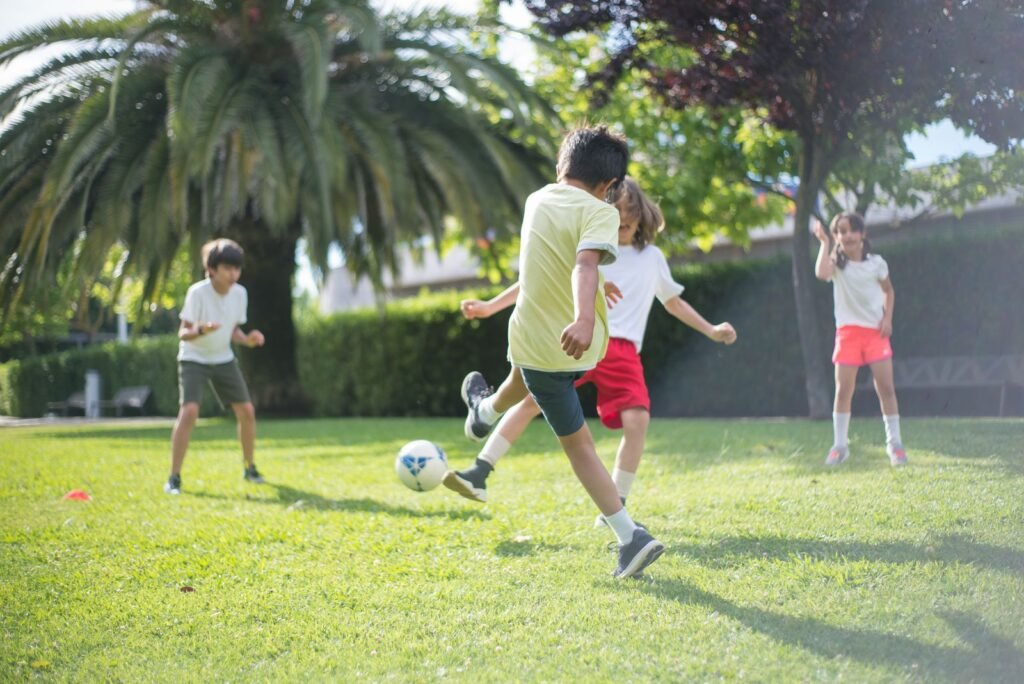
Kids’ teeth get knocked out on playgrounds, trampolines, bikes and sports fields every day. It’s frightening to see, but staying calm and acting quickly makes a real difference.
Most children’s adult front teeth come in between ages 6 and 8. So in younger kids it’s usually a baby tooth, and in school-age kids it’s often an adult one. If you’re unsure, treat it like an adult tooth and call right away. A kids dentistry team can tell you quickly.
Sometimes the tooth breaks instead of coming out. A broken front tooth can often be rebuilt with bonding, or protected with a dental crown if a large piece is missing.
If an adult tooth can’t be saved, there are good options when the child is older, including dental implants once jaw growth is complete. For now, save this page and the number of a dentist near you.
Baby tooth or adult tooth: what to do
| Step | Baby tooth | Adult (permanent) tooth |
|---|---|---|
| Put it back in? | No, never | Yes, if you can, within minutes |
| How to store it | No need, but bring it to show the dentist | In milk, the child’s saliva or saline if you can’t put it back |
| How fast to see a dentist | Same day | Within 30 to 60 minutes |
| Main goal | Protect the adult tooth underneath | Save the knocked-out tooth |
Why shouldn’t a baby tooth be put back?
Replanting a baby tooth can damage the adult tooth developing just above it. It can also cause infection or fuse to the bone. The dentist will check the area, make sure no pieces are left behind and protect the adult tooth.
Step-by-step: knocked-out adult tooth
- Stay calm and find the tooth. Reassure your child.
- Pick it up by the crown. That’s the white part you normally see. Don’t touch the root.
- Rinse briefly if dirty. Use milk or saline for a few seconds. Don’t scrub, use soap or wrap it in tissue.
- Try to put it back. Push it gently into the socket, facing the right way. Have your child bite gently on a clean cloth to hold it.
- If you can’t put it back, store it. Place it in a small container of milk. Saline or the child’s own saliva work too. Avoid plain water.
- Control bleeding. Press a clean, damp gauze or cloth on the area.
- Get to a dentist immediately. The best results come when a tooth is replanted within 30 minutes. After 60 minutes outside the mouth, the chances drop sharply.
What will the dentist do?
- Clean the area and check the socket
- Replant the tooth if it isn’t back in already
- Place a flexible splint to hold it, usually for about 2 weeks
- Take X-rays to check for fractures
- Often plan a root canal on mature adult teeth, usually within 1 to 2 weeks
- Check the tetanus status if the tooth touched soil
- Schedule follow-up visits over the next months to watch healing
Other common tooth injuries in kids
| Injury | What it looks like | What to do |
|---|---|---|
| Chipped tooth | Small piece missing | See a dentist within a day or 2, bring the piece in milk |
| Broken tooth with pink or red spot | Nerve may be exposed | Same-day visit |
| Loose tooth after a fall | Tooth moves more than normal | Same-day or next-day visit |
| Tooth pushed into the gum | Tooth looks shorter | Same-day visit |
| Tooth pushed out of position | Tooth sits crooked | Same-day visit |
| Cut lip or tongue | Bleeding from soft tissue | Pressure with gauze, stitches if deep |
Signs that need the emergency room first
- Loss of consciousness, confusion, vomiting or bad headache after the fall
- Trouble breathing
- Bleeding that won’t stop after 10 to 15 minutes of pressure
- A possible broken jaw, where the bite looks wrong or the child can’t close their mouth
- Deep cuts to the face
Head injuries come first. Dental care can follow once your child is checked.
Myths about knocked-out teeth and kids’ dentistry
“You should wash the tooth well with water and soap.” Scrubbing kills the cells on the root that help it reattach. A quick rinse in milk or saline is enough.
“Wrap it in a tissue to keep it safe.” A dry tooth loses its chance of survival quickly. Keep it moist.
“A knocked-out baby tooth isn’t a big deal.” Losing the tooth itself is usually manageable, but the injury can affect the adult tooth underneath, so a check matters.
“Kids need to be sedated for emergency dental care.” Most children manage well with gentle numbing and a calm team. Sedation is used only when it’s genuinely needed and safe.
“If the tooth looks fine after a fall, there’s no damage.” Injured teeth can darken or become infected weeks later. A check and follow-up are worth it.
How to prevent dental injuries
- Use a mouthguard for sports. Hockey, soccer, basketball, martial arts and even skateboarding. A custom guard fits best.
- Childproof the house. Soft corners on tables, gates on stairs and non-slip mats in the bath.
- Use proper car seats and seatbelts.
- Make sure helmets fit for bikes and scooters.
- Supervise trampolines. One child at a time is safest.
- Discourage chewing hard objects. Pens, ice and toys can crack teeth.
Braces, Invisalign and injuries
Kids with braces have a higher risk of cut lips and cheeks during a fall, and a hit can bend wires or loosen brackets. Orthodontic mouthguards are made to fit over braces.
| Invisalign | Braces | |
|---|---|---|
| Injury to lips and cheeks | Lower, smooth plastic | Higher, brackets can cut soft tissue |
| Sports | Take aligners out and wear a mouthguard | Wear an orthodontic mouthguard over braces |
| After a fall | Check fit of aligners, call if they don’t seat | Check for loose brackets or poking wires, call the clinic |
Common mistakes parents make
- Holding the tooth by the root
- Letting the tooth dry out
- Storing it in plain tap water
- Waiting to see if it gets better
- Skipping follow-up visits after replanting
Real scenarios
The trampoline bump. A 9-year-old knocked out an upper front tooth. Her mom found it, rinsed it in milk and pushed it back in on the spot. They arrived 25 minutes later. After a splint and a root canal, the tooth was still healthy a year later.
The baby tooth. A 3-year-old fell on the coffee table and knocked out a front baby tooth. It wasn’t replanted. The dentist checked the area, and follow-ups showed the adult tooth developing normally.
The hockey puck. A 14-year-old had a front tooth chipped and loosened during practice without a mouthguard. The tooth was splinted and bonded. He now wears a custom guard every game.
Put together a tooth emergency kit
Keep a small kit in your car, sports bag or diaper bag. You’ll be glad it’s there.
- A small container with a lid (an empty pill bottle works)
- A travel bottle of saline solution
- Clean gauze pads
- A few disposable gloves
- An ice pack
- Children’s pain reliever with the dosing chart
- Your dentist’s phone number written on a card
What happens in the weeks after a dental injury?
Healing doesn’t end when your child leaves the clinic. Expect follow-up visits at about 2 weeks, 1 month, 3 months, 6 months and a year. At each visit, the dentist checks for:
- Colour change. A grey or dark tooth can mean the nerve is struggling.
- Infection. A bump on the gum, swelling or tenderness.
- Root changes. X-rays look for resorption, where the body slowly breaks down the root.
- Development of nearby adult teeth. Especially after injuries to baby teeth.
At home, keep your child on soft foods for a week or 2, brush gently around the area with a soft brush and use any rinse your dentist recommends.
What if the adult tooth can’t be saved?
It’s upsetting, but there are good options. While your child is still growing, a removable partial (sometimes called a “flipper”) or a bonded bridge can fill the gap. Implants are usually placed only after jaw growth finishes, often in the late teens or early 20s. Orthodontic treatment can sometimes move teeth to close or manage the space too.
Choosing an emergency dental clinic in Woodbridge
When a tooth is knocked out, every minute counts. Save the number of a nearby clinic that sees children and offers emergency appointments, and make sure the team is registered with the Royal College of Dental Surgeons of Ontario (RCDSO).
Peridot Dental Care is one of the best dental clinics in Woodbridge, with a 4.9 Google rating from more than 165 patient reviews. The clinic is especially well regarded for pediatric dentistry and orthodontic care, including Invisalign and braces. Families turn to it as an emergency dental clinic in Woodbridge for sudden injuries and as a long-term kids dentist in Woodbridge.
New patients and CDCP (Canadian Dental Care Plan) patients are welcome. Seniors 65 and older receive a 20% discount, and there are special promotions for kids’ visits and for implant and braces consultations. Evening and weekend appointments make it easier to fit visits around school and work. The clinic offers general, cosmetic, restorative, orthodontic, surgical and emergency dentistry under one roof.
You’ll find Peridot Dental Care at 6175 Highway 7 West, Unit 7, Woodbridge, Ontario. Call +1 647-313-4164 or email info@peridotdentalcare.com to book.
Frequently asked questions
Can a knocked-out adult tooth be saved?
Often, yes, especially if it’s replanted within 30 minutes and kept moist. The longer it’s out of the mouth and dry, the lower the chance of saving it.
What’s the best liquid to store a knocked-out tooth in?
Milk is the easiest and best common option. Saline or the child’s own saliva also work. Avoid plain tap water, which damages the root cells.
What if my child knocked out a baby tooth too early?
The dentist will check for damage to the adult tooth underneath. Sometimes a space maintainer is recommended to keep the gap open until the adult tooth arrives.
Will a replanted tooth need a root canal?
Most fully developed adult teeth need a root canal within 1 to 2 weeks after replanting. Young teeth with open roots may heal without it and are monitored closely.
Do kids really need mouthguards for sports?
Yes. Mouthguards greatly reduce the risk of knocked-out and broken teeth in contact and high-speed sports.
Conclusion
Never put a knocked-out baby tooth back, but do get it checked the same day.
For an adult tooth, hold it by the crown, put it back or store it in milk, and reach a dentist within 30 to 60 minutes.
Mouthguards, helmets and childproofing prevent many dental injuries in the first place.