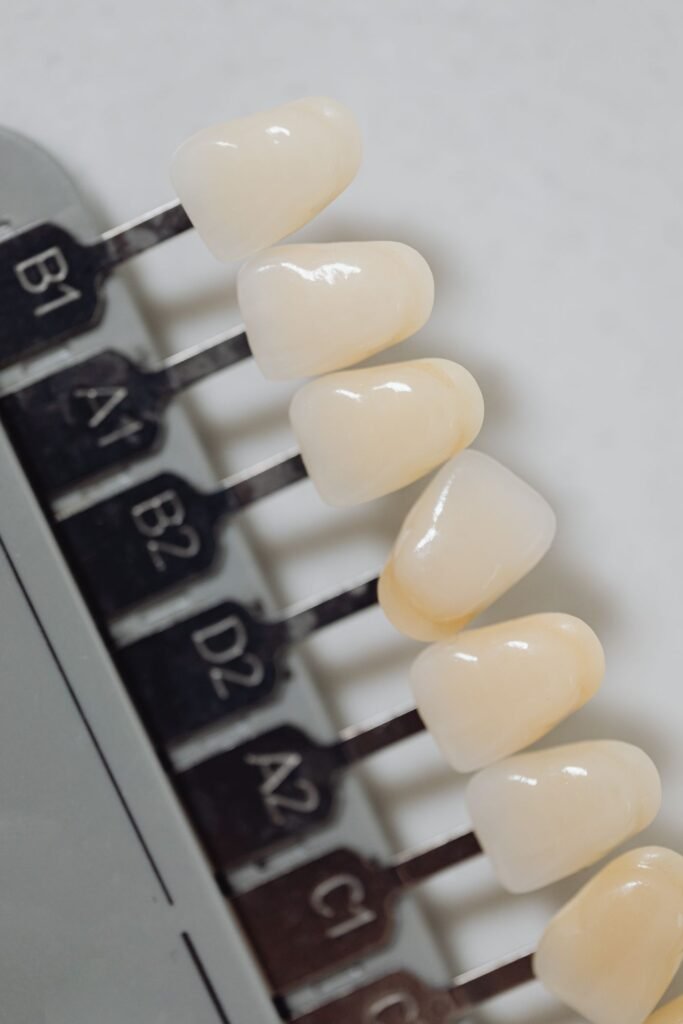
A dental flipper is a lightweight, all-acrylic temporary appliance that replaces one or a few teeth, while a partial denture is a sturdier, longer-term appliance often built on a metal or flexible framework with clasps. A missing tooth is common and not urgent in most cases, but a flipper is meant for short-term use and can harm gums if worn as a permanent solution. Our Woodbridge dental office helps you choose based on how long you need the replacement.
Patients often feel unsure which option is “the right one,” and fear being sold the more expensive choice. A trusted family dentist explains both honestly and matches the option to your timeline and budget. Both appliances are covered on our dentures in Woodbridge page.
Many people use a flipper while waiting for a dental implant to heal.
If neighbouring teeth already need crowns, a fixed bridge may be better than either removable option.
Peridot Dental Care at 6175 Highway 7 West, Unit 7, Woodbridge, Ontario, holds a 4.9 Google rating from 165+ reviews. New and CDCP patients are welcome, seniors 65+ save 20%, and evening and weekend visits are available. Call +1 647-313-4164 or email info@peridotdentalcare.com.
What Is a Dental Flipper?
A flipper is a thin acrylic plate with one or more artificial teeth. It rests on the gums and palate and is held by small wire clasps or simple friction.
What Is a Partial Denture?
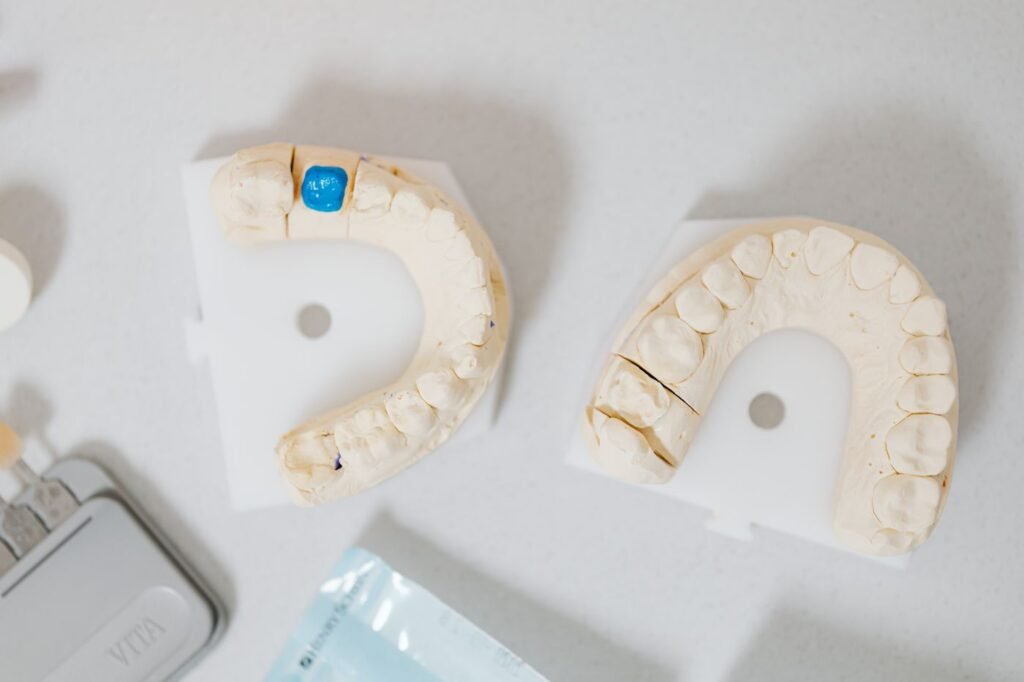
A partial denture uses a stronger framework, often chrome cobalt metal or flexible nylon, with clasps that grip natural teeth. It is designed to be worn for years.
Side-by-Side Comparison
| Feature | Flipper | Partial denture |
|---|---|---|
| Purpose | Temporary | Long term |
| Material | Acrylic | Metal, flexible nylon, or acrylic |
| Strength | Lower, can crack | Higher |
| Comfort | Bulkier | Thinner frameworks |
| Chewing | Light use only | Better chewing |
| Relative cost | Lower | Moderate to higher |
Dental Services Available
Getting a Flipper or Partial, Step by Step
- Exam and X-rays.
- Discussion of timeline and goals.
- Impressions or scan.
- Lab fabrication.
- Fitting and adjustment.
- Follow-up check.
Signs It Is Time to Upgrade From a Flipper
- Cracks or chips in the acrylic
- Gum irritation under the plate
- Looseness or rocking
- You have worn it longer than a year

Invisalign vs Braces for Gap Management
| Point | Invisalign | Braces |
|---|---|---|
| Close a gap | Yes for small spaces | Yes |
| Hold space for implant | Possible with a pontic | Possible |
Choosing a Clinic
Choose a dentist in Woodbridge licensed by the Royal College of Dental Surgeons of Ontario (RCDSO) who explains both temporary and permanent options.
Patient Scenarios
Waiting for implant healing
A flipper covered the gap for four months until the final crown.
Two missing lower teeth
A cast metal partial gave long-term comfort and stability.
Common Mistakes
- Wearing a flipper for many years
- Eating hard food with a flipper
- Sleeping in it every night
Flippers can put pressure on gums and bone over time. Use them as a bridge to a long-term solution.
Myths About Sedation and Kids’ Care
Care Tips
- Clean daily with a soft brush
- Soak overnight
- Handle over a towel to avoid drops
Choosing Between a Flipper and a Partial
General dentist registered with the Royal College of Dental Surgeons of Ontario (RCDSO), practising at Peridot Dental Care in Woodbridge. Last reviewed November 2026. This guide is general information and does not replace an exam with your own dentist.
A dental flipper is a simple acrylic partial, usually replacing one or two teeth, that is quick to make and light to wear. A cast metal or flexible partial is designed for longer use with better support. Both are removable, so the choice depends on how long you need the tooth replaced and what comes next. These are the questions Woodbridge patients ask when deciding.
What exactly is a dental flipper?
A flipper is a thin acrylic plate with one or more replacement teeth, held in place by its fit against the palate or gums and sometimes small wire clasps. It is often used right after an extraction or while an implant heals.
How long does a flipper last?
Flippers are designed as temporary or transitional replacements. Many are used for a few months, although some people wear them longer. Acrylic can crack, and because flippers rest mainly on the gums, they can loosen as the area heals.
Why choose a partial denture instead?
A cast metal or flexible partial is stronger, more stable and better for chewing over the long term. Metal partials rest on natural teeth, which protects the gums and spreads chewing forces. They are a better fit for people who plan to keep a removable option for years.
Can I eat normally with a flipper?
Flippers are best for soft foods and appearance. Chewing hard foods with a flipper can crack it or press it into the gums. Most people take extra care with front tooth flippers when biting.
Is a flipper a good choice while waiting for an implant?
Yes. It is one of the most common temporary options. It can be adjusted so it does not press on the healing implant site, and it keeps your smile complete during the healing months.
Can a flipper damage my teeth or gums?
Worn constantly without good cleaning, any removable appliance can irritate gums or trap plaque. A flipper that rubs or rocks should be adjusted rather than tolerated.
Flipper vs Partial Denture at a Glance
| Feature | Dental flipper | Cast metal or flexible partial |
|---|---|---|
| Main purpose | Temporary or transitional | Long-term replacement |
| Material | Acrylic | Metal framework or flexible nylon |
| Support | Mostly gums and palate | Teeth and gums together |
| Strength | Can crack | Stronger and more durable |
| Chewing | Light use | Better for normal meals |
| Time to make | Days | A few weeks |
| Adding teeth later | Usually possible | Possible with acrylic and metal designs |
How to Decide
- Ask whether an implant or bridge is planned in the next few months
- Consider how many teeth are missing and where
- Think about how much chewing you need the replacement to handle
- Discuss any gum or bone healing that needs time first
- Compare how long each option is expected to last
If a flipper is a bridge to an implant, ask for a timeline so the temporary tooth is not worn longer than intended.
Coverage and the Canadian Dental Care Plan
For eligible patients, the Canadian Dental Care Plan (CDCP) can cover removable partial dentures, usually with preauthorization. Implants and fixed bridges are excluded. We can check what applies before treatment.
Tooth Replacement at Peridot Dental Care
Peridot Dental Care is at 6175 Highway 7 West, Unit 7, Woodbridge, and sees patients from Woodbridge, Vaughan, Kleinburg and Maple. Every plan starts with an exam, a clear explanation of your options and a written estimate before treatment begins. You can learn more about our team and read patient reviews on our about page.
Call 647-313-4164 or book an appointment online to talk through your situation with our dentist.
Caring for a Flipper or Partial
Both need daily care to stay comfortable and hygienic.
- Rinse after meals to remove food from under the base
- Brush daily with a soft brush and a non-abrasive cleanser
- Brush and floss the teeth next to the gap with fluoride toothpaste
- Soak overnight in water or a denture solution
- Store it in a case, never wrapped in a tissue where it can be thrown away
How do I know my flipper needs replacing?
Cracks in the acrylic, a loose fit after the gum has healed, or a tooth that has chipped are signs it is time for an adjustment or a new appliance. If you have worn a flipper for many months, ask whether a longer-term option would serve you better.
When a Flipper Is the Right First Step
A flipper makes the most sense when you need a tooth replaced quickly and expect to choose a longer-term option within months. Common examples include the period after a front tooth extraction, while an implant integrates, or while gums settle before a bridge or cast metal partial is made. Planned this way, a flipper protects your appearance and keeps the space open without committing you to a permanent design too early.
Tell your dentist which foods matter most to you. Someone who wants to chew steak and raw vegetables comfortably will usually be happier with a cast metal partial than with a flipper, even in the short term.
Frequently Asked Questions
Is a flipper cheaper than a partial?
Usually yes, because it is simpler and temporary.
Can a flipper be permanent?
It is not designed for long-term use.
Which feels better?
Many find partials thinner and more comfortable.
How long does a partial last?
Often 5 to 10 years with good care.
Can I eat with a flipper?
Only soft foods, chewing gently.
Is a flipper cheaper than a partial denture?
A flipper is usually less expensive because it is simpler and quicker to make, but it is not designed to last as long.
Can I sleep with a flipper in?
It is better to remove it at night so your gums can rest and to clean it thoroughly.
Conclusion
A flipper is a short-term fix, while a partial is built for daily long-term use.
Your timeline and future plans decide which suits you.
Peridot Dental Care helps you choose the right option with honest advice.