There is no real difference between a dental cap and a dental crown, because “cap” is simply the older, everyday word for a crown, a custom restoration that covers the entire visible part of a tooth. Needing a cap or crown is common, and it is usually recommended to protect a cracked, weak, or root-canal-treated tooth before it breaks further. Our dental clinic in Woodbridge uses whichever word you prefer and explains the treatment clearly.
Some patients worry that a dentist saying “crown” means something bigger or more expensive than the “cap” they heard about years ago. That confusion is common and understandable. A trusted family clinic uses plain language so you know exactly what you are getting. Read more on our dental crown in Woodbridge page.
When a tooth is missing, crowns can be joined to form a dental bridge.
Crowns also sit on top of dental implants to replace missing teeth.
Peridot Dental Care, 6175 Highway 7 West, Unit 7, Woodbridge, Ontario, holds a 4.9 Google rating from 165+ reviews. New and CDCP patients are welcome, seniors 65+ save 20%, and evening and weekend appointments are available. Call +1 647-313-4164 or email info@peridotdentalcare.com.
What Is a Dental Crown or Cap?
A crown is a tooth-shaped covering made of porcelain, zirconia, metal, or a combination. It restores shape, strength, and appearance, and is cemented over a prepared tooth or attached to an implant.
Cap vs Crown: Clearing Up the Terms
| Term | Meaning | Who uses it |
|---|---|---|
| Cap | Informal name for a crown | Patients, older generations |
| Crown | Clinical name | Dentists and labs |
| Onlay | Partial crown covering cusps | Dentists |
| Veneer | Thin front shell, not a full cap | Cosmetic dentistry |
Crown Materials
- Zirconia: very strong, good for molars
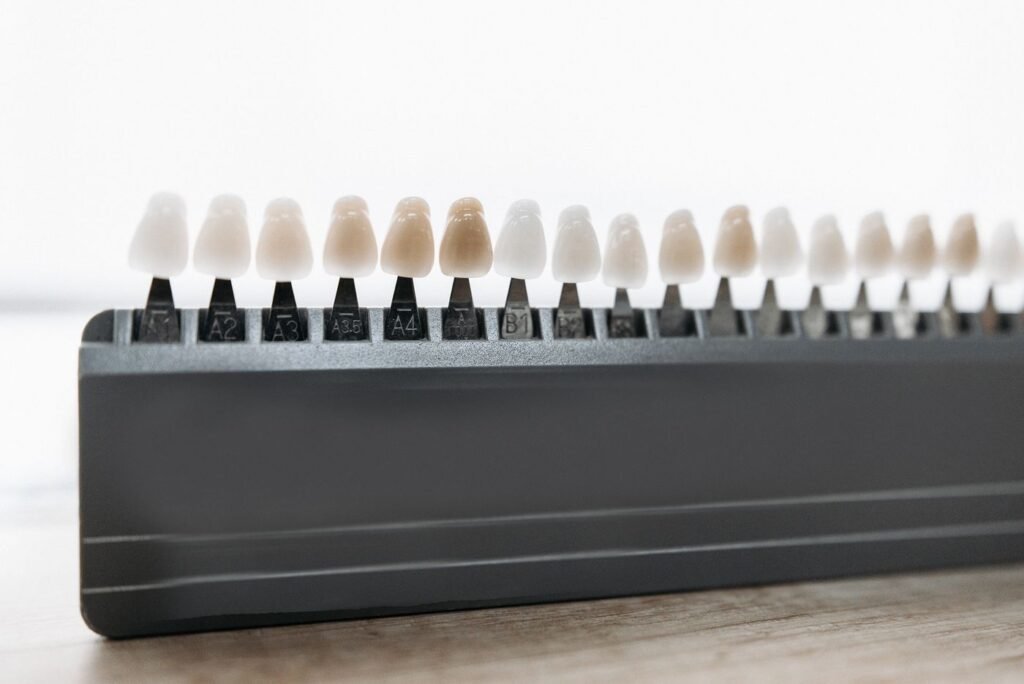
- Porcelain (lithium disilicate): natural look for front teeth
- Porcelain fused to metal: strong and versatile
- Gold: durable and gentle on opposing teeth
- Stainless steel: for children’s baby molars
Dental Services Available
Getting a Crown, Step by Step
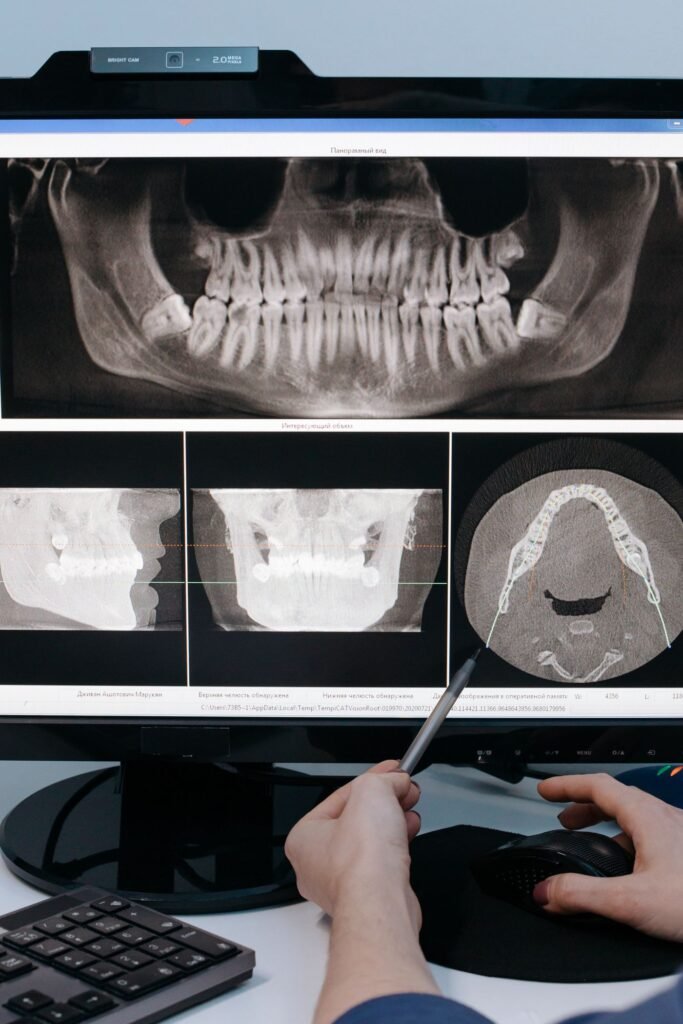
- Exam and X-rays.
- Tooth numbed and shaped.
- Scan or impression.
- Temporary crown placed.
- Permanent crown made by the lab.
- Final fit and cementation.
Signs You May Need a Crown
- A cracked or broken tooth
- A very large filling
- A recent root canal
- A badly worn or misshapen tooth

Invisalign vs Braces With Crowns
| Point | Invisalign | Braces |
|---|---|---|
| Works with crowns | Yes | Yes |
| Look | Clear | Visible |
Choosing a Dentist
Choose a dentist in Woodbridge licensed by the Royal College of Dental Surgeons of Ontario (RCDSO) who explains materials and shows you the tooth on camera.
Patient Scenarios
A senior asking for a “cap”
She received a porcelain fused to metal crown on a cracked molar.
A child’s baby molar
A stainless steel crown protected it until it naturally fell out.
Common Mistakes
- Thinking caps are outdated
- Skipping a crown after a root canal
- Biting ice on a new crown
A crown that feels high or loose should be checked quickly to avoid jaw pain or decay underneath.
Myths About Sedation and Kids’ Dentistry
Crown Care Tips
- Brush and floss daily
- Wear a night guard if you grind
- Keep regular cleanings
Frequently Asked Questions
Is a cap the same as a crown?
Yes, the terms mean the same thing.
How long do crowns last?
Usually 10 to 15 years or more.
Are crowns covered by CDCP?
CDCP may cover some crowns for eligible patients.
Do crowns look natural?
Modern porcelain and zirconia crowns look very natural.
Can a crown be whitened?
No, crowns do not whiten, so whiten teeth first if needed.
Conclusion
A cap and a crown are the same restoration with different names.
Crowns protect weak teeth and restore their appearance.
Peridot Dental Care explains every option in plain, simple language.