How much a root canal costs depends on several separate parts of care: the exam and X-rays, the root canal itself (priced by tooth and number of canals), a core build-up, and usually a crown on back teeth. Needing a root canal is common and the procedure is far more comfortable than its reputation suggests, but an untreated infected tooth can spread infection and should not wait. At our dental clinic in Woodbridge, each part of the cost is listed clearly so you know exactly what you are paying for.
The biggest worry patients share is not the procedure, it is surprise bills and not knowing whether a clinic can be trusted. Parents also ask whether a child’s tooth needs the same treatment. A good family clinic explains everything in plain words before starting. Most treated molars are protected afterward with a dental crown.
Very anxious patients can ask about sedation dentistry to make the visit calmer.
When a tooth is too damaged to save, a tooth extraction and replacement may be discussed as an alternative.
Peridot Dental Care at 6175 Highway 7 West, Unit 7, Woodbridge, Ontario, holds a 4.9 Google rating from 165+ reviews, accepts new and CDCP patients, and gives seniors 65+ a 20% discount. Evening and weekend appointments are available. Reach the team at +1 647-313-4164 or info@peridotdentalcare.com.
What Is Included in a Root Canal Fee?
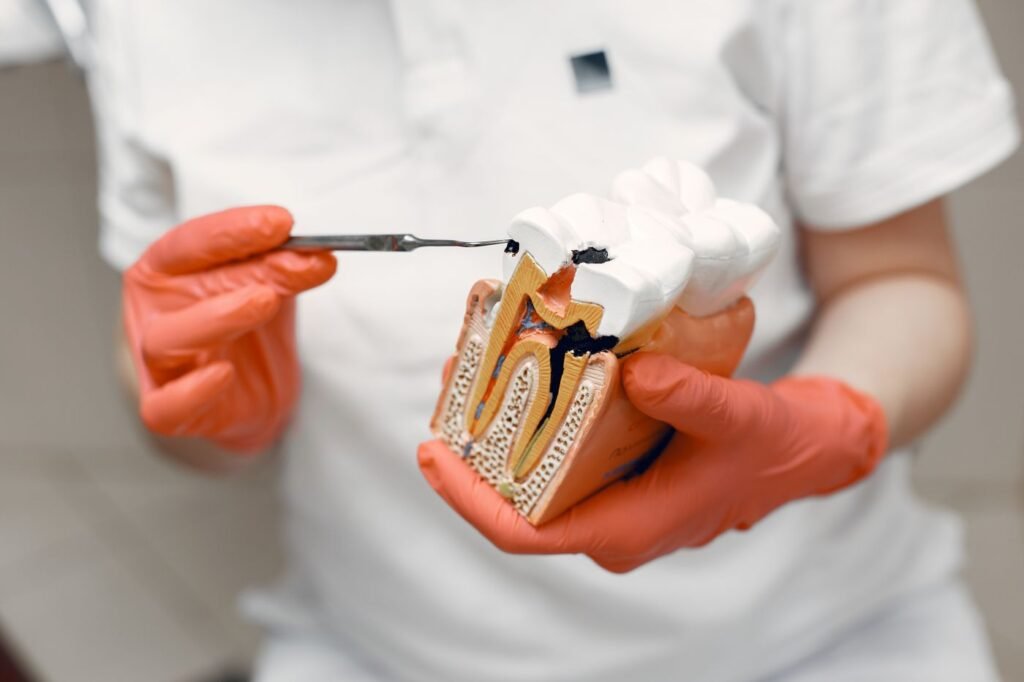
A root canal fee usually covers numbing, opening the tooth, cleaning and shaping the canals, disinfecting them, and sealing them with a filling material called gutta-percha. Other parts of treatment are often billed separately.
The Full Cost, Broken Into Parts
| Part of care | Why it is needed | Always required? |
|---|---|---|
| Exam and diagnosis | Confirms the tooth needs treatment | Yes |
| X-rays | Shows canal shape and infection | Yes |
| Root canal treatment | Cleans and seals canals | Yes |
| Core build-up | Rebuilds missing tooth structure | Often |
| Crown | Protects the treated tooth | Usually for back teeth |
| Follow-up X-ray | Checks healing | Sometimes |
Factors That Raise or Lower the Cost
- Front teeth with one canal are simpler than molars
- Curved or narrow canals take more time
- Retreatment of an old root canal adds complexity
- Specialist (endodontist) care may cost differently
- Coverage from insurance, CDCP, or the senior discount lowers your share
Dental Care Available in One Place
Root Canal Visit, Step by Step
- Exam and X-ray confirm the diagnosis.
- You review the written estimate.
- The tooth is numbed and isolated with a rubber dam.
- Infected pulp is removed and canals are cleaned.
- Canals are sealed and a temporary filling placed.
- A crown is fitted at a later visit.
Signs You May Need One
- Pain that lingers after hot or cold
- Severe toothache when lying down
- Swollen or tender gums near one tooth
- A tooth that has darkened
Invisalign vs Braces With a Treated Tooth
| Point | Invisalign | Braces |
|---|---|---|
| Can move treated teeth | Yes | Yes |
| Visibility | Clear | Visible |
| Removable | Yes | No |
Choosing a Root Canal Dentist
Look for a dentist in Woodbridge licensed by the Royal College of Dental Surgeons of Ontario (RCDSO), who uses digital X-rays and refers complex cases to an endodontist.
Patient Scenarios
A molar with lingering cold pain
Root canal, build-up, and crown were completed over two visits with CDCP helping.
A front tooth after a fall
One visit treated the single canal, with no crown needed.
Common Mistakes
- Skipping the crown on a back tooth
- Waiting for swelling before booking
- Treating with antibiotics only
- Not asking for a breakdown of costs
A treated back tooth without a crown is brittle and can split. Avoid chewing hard food on it until the crown is placed.
Myths About Sedation and Children’s Dentistry
Prevention Tips
- Treat cavities early
- Wear a night guard for grinding
- Avoid chewing ice
- Keep regular checkups
Cost by Tooth Type and How Insurance Fits In
General dentist registered with the Royal College of Dental Surgeons of Ontario (RCDSO), practising at Peridot Dental Care in Woodbridge. Last reviewed November 2026. This guide is general information and does not replace an exam with your own dentist.
The single biggest factor in root canal cost is which tooth needs treatment. After that, your insurance plan’s structure decides how much you actually pay. This section explains both so you can read an estimate and a benefits statement with confidence.
Why are front teeth the simplest?
Incisors and canines usually have one straight canal that is easy to see and reach. Treatment is often completed in one visit, and many front teeth can be restored with a filling rather than a crown.
What makes premolars different?
Premolars may have one or two canals, sometimes more in the upper jaw. They also take side-to-side chewing forces, so many need a crown after treatment.
Why are molars the most involved?
Molars have three or four canals, often curved and narrow, at the back of the mouth where access is harder. Locating, cleaning and sealing every canal takes longer and sometimes needs specialist equipment or referral.
Why does retreatment cost more?
Retreating an old root canal means removing the existing filling material, finding any missed or blocked canals and resealing. It is more complex than first-time treatment and is often done by an endodontist.
How do insurance percentages work?
Many private plans pay a percentage of their fee schedule for root canals, often under basic or major services. If your dentist’s fee is higher than the plan’s schedule, you pay the difference too. Annual maximums cap how much the plan pays each year.
What is a predetermination?
It is an estimate sent to your insurer before treatment. The insurer replies with what it will pay, so you know your share in advance. It is especially useful when a crown follows the root canal.
Root Canal Complexity by Tooth
| Tooth | Typical canals | Visits | Crown usually needed? |
|---|---|---|---|
| Front tooth | One | Often one | Not always |
| Premolar | One to two | One to two | Often |
| Molar | Three to four | One to two | Almost always |
| Retreatment | Varies | Two or more | Usually |
Ways to Manage Your Share
- Request a predetermination for both the root canal and crown
- Check whether you are close to your annual maximum
- Ask whether the crown can be scheduled in the next benefit year if timing allows
- Check eligibility for the CDCP or provincial programs
- Treat problems early, before an infection or fracture adds complexity
A tooth that needs a root canal rarely improves. Delays can lead to abscesses, cracks or extraction, which usually cost more to fix.
Coverage and the Canadian Dental Care Plan
For eligible patients, the Canadian Dental Care Plan (CDCP) covers root canal treatment, and some crowns are covered with preauthorization. Co-payments may apply depending on income. OHIP does not cover root canals in a dental office.
Root Canal Treatment at Peridot Dental Care
Peridot Dental Care is at 6175 Highway 7 West, Unit 7, Woodbridge, and sees patients from Woodbridge, Vaughan, Kleinburg and Maple. Every plan starts with an exam, a clear explanation of your options and a written estimate before treatment begins. You can learn more about our team and read patient reviews on our about page.
Call 647-313-4164 or book an appointment online to talk through your situation with our dentist.
Signs You May Need a Root Canal
Recognizing the signs early often means simpler treatment.
- Pain that lingers for more than a few seconds after hot or cold
- Throbbing pain that wakes you at night
- Tenderness when biting or tapping on a tooth
- A small pimple-like bump on the gum that may release a bad taste
- A tooth that has turned grey or darker after an injury
- Swelling of the gum or face near a tooth
Some teeth show no symptoms and are found on routine X-rays. If you notice any of these signs, book an exam. Early diagnosis keeps treatment simpler and protects the tooth.
A tooth treated before infection spreads or the tooth cracks is usually simpler to fix, with fewer visits and a better long-term outlook.
Placing the crown on time protects the investment you made in the root canal and lowers the risk of a crack that could mean losing the tooth.
Frequently Asked Questions
Why is a crown extra?
The crown is a separate restoration made by a lab to protect the tooth.
Does CDCP cover root canals?
CDCP covers endodontic treatment for eligible patients, subject to plan rules.
Is extraction cheaper?
Extraction may cost less upfront, but replacing the tooth later usually costs more.
How long does a root canal take?
Most take 60 to 90 minutes per visit.
Will it hurt afterward?
Mild soreness for a few days is common and managed with over-the-counter pain relief.
Is a molar root canal always more expensive?
Usually yes, because molars have more canals and take longer to treat than front teeth or premolars.
Does insurance cover the crown after a root canal?
Many plans cover crowns under major services at a lower percentage. A predetermination shows your share.
Conclusion
Root canal cost includes the treatment plus separate parts like build-ups and crowns.
Knowing each part upfront prevents surprises.
Peridot Dental Care explains every fee clearly and treats patients gently.