

Dentures that feel too big for your mouth are usually caused by overextended edges, too much bulk in the base, teeth set too far forward, or a bite that is too high, and the feeling is very common in the first few weeks with new dentures. Some adjustment time is normal and temporary, but gagging, persistent sore spots, cheek biting, or lips that look puffed out mean the denture needs professional adjustment. Our dentist in Woodbridge can trim and reshape dentures to fit comfortably.
Many new denture wearers assume discomfort is simply part of dentures and avoid going back, or worry the clinic will be annoyed. A trusted family clinic expects adjustment visits and welcomes them. Learn about fit and new sets on our dentures in Woodbridge page.
Implant-supported designs can often be made smaller because they need less palate coverage, as explained on our dental implant page.
If gagging is severe, ask about comfort options through dental sedation for impressions and fittings.
Peridot Dental Care, 6175 Highway 7 West, Unit 7, Woodbridge, Ontario, holds a 4.9 Google rating from 165+ reviews. New and CDCP patients are welcome, seniors 65+ get 20% off, and evening and weekend appointments are available. Call +1 647-313-4164 or email info@peridotdentalcare.com.
Why Dentures Feel Too Big
- Overextended flanges: edges reach too far into cheeks or floor of the mouth
- Thick palate: upper denture feels bulky and causes gagging
- Teeth too large or forward: lips look full and strained
- High bite: jaw feels propped open
- New sensation: your tongue and cheeks are adjusting
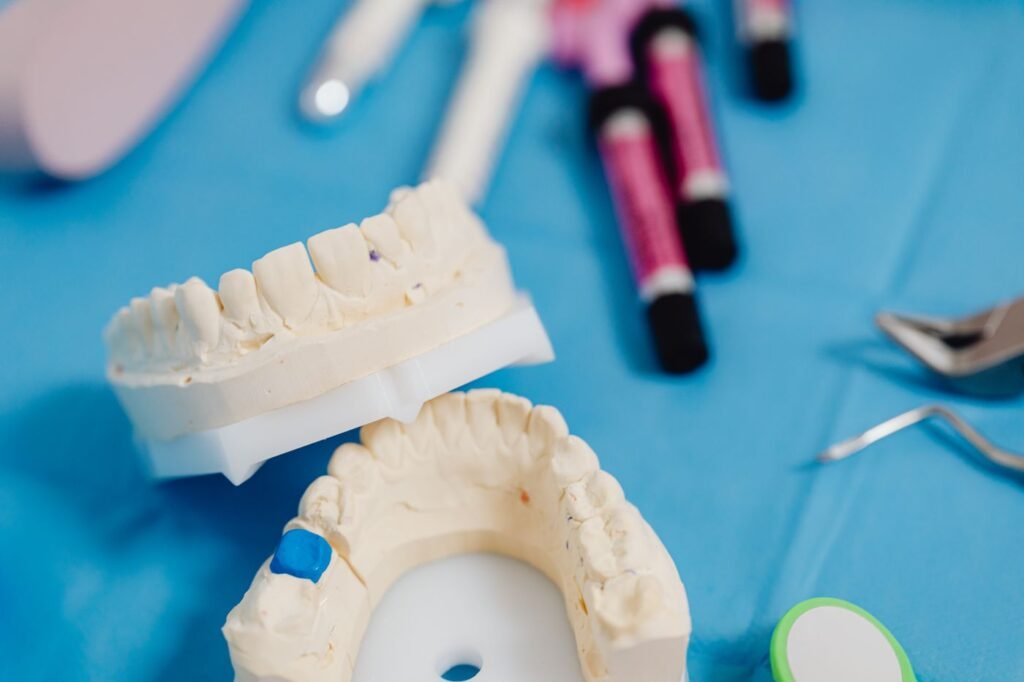
Normal vs Needs Adjustment
| Feeling | Normal adjustment | Needs a visit |
|---|---|---|
| Fullness | First 1 to 2 weeks | Lasts beyond a month |
| Gagging | Mild, improving | Constant or worsening |
| Speech changes | Improve daily | No improvement |
| Sore spots | Small, healing | Recurring or painful |
| Lip appearance | Slight change | Puffy or strained |
Related Dental Services
How Adjustments Work
- Describe where it feels too big.
- Dentist checks with pressure-indicating paste.
- Edges and bulk are trimmed and polished.
- Bite is checked and balanced.
- Follow-up if needed.
Signs You Need Help Now
- You cannot keep the denture in because of gagging
- Painful ulcers
- Biting your cheeks often

Invisalign vs Braces for Partial Wearers
| Point | Invisalign | Braces |
|---|---|---|
| Improve tooth position | Yes | Yes |
| Look | Clear | Visible |
Choosing a Dentist
Choose a dental office in Woodbridge with dentists licensed by the Royal College of Dental Surgeons of Ontario (RCDSO) who provides adjustment visits as part of care.
Patient Scenarios
Gagging on a new upper denture
Thinning the palate solved it in one visit.
Lips looked puffed out
Resetting the front teeth gave a natural profile.
Common Mistakes
- Trimming dentures at home
- Giving up on new dentures too soon
- Skipping follow-ups
Never file or cut your denture yourself. It can ruin the fit and create sharp edges.
Myths About Sedation and Kids’ Dentistry
Comfort Tips
- Read aloud to adapt speech
- Start with soft foods
- Wear dentures during the day as advised
Bulky or Truly Too Big? How to Tell the Difference
General dentist registered with the Royal College of Dental Surgeons of Ontario (RCDSO), practising at Peridot Dental Care in Woodbridge. Last reviewed November 2026. This guide is general information and does not replace an exam with your own dentist.
Almost every new denture feels big at first. Your tongue, lips and cheeks are used to the shape of natural teeth, so a denture base and replacement teeth can feel enormous for a while. Sometimes, though, a denture really is oversized or overextended, and no amount of getting used to it will help. These answers explain how our Woodbridge team tells the two apart.
How long does it take for a new denture to stop feeling big?
Most people feel much more comfortable within two to four weeks as the tongue and cheek muscles adapt. If the feeling of fullness is getting steadily better, adaptation is on track. If it stays the same or you are gagging, biting your cheeks or struggling to close your lips, the denture likely needs adjustment.
What makes a denture genuinely too big?
The flanges, the edges that extend into the cheeks and under the tongue, can be longer or thicker than needed. Teeth can be set too far forward, making the lips feel stretched. The bite can be too open, so the mouth feels propped. Each of these can be measured and corrected.
Can the edges be trimmed?
Often, yes. Overextended borders can be reduced and polished in the office. This must be done carefully, because the borders also create the seal that keeps a denture in. Removing too much can make a denture loose.
What if the teeth themselves look too big?
Tooth size is chosen to suit your face. If the teeth look large or show too much when you speak, the front teeth may need to be reset or replaced with a smaller mould. This is easiest to fix at the try-in stage, which is why approving the look before processing matters.
Why do I gag with my upper denture?
An upper denture that extends too far back on the palate can trigger the gag reflex. Shortening the back edge slightly, or a horseshoe design for partials, often helps. Implant-supported options can remove palate coverage entirely.
Can weight loss make a denture feel too big?
Weight loss can change the cheeks and lips, and it often makes dentures feel loose rather than large. A loose denture moves and can feel bulky as a result. A reline can help.
Normal Adaptation vs Design Problem
| What you notice | Normal adaptation | Likely needs adjustment |
|---|---|---|
| Feeling of fullness | Improves each week | Same after a month |
| Speech | Clearer within two weeks | Lisp or whistling persists |
| Lips | Feel full but close easily | Stretched or hard to close |
| Gagging | Occasional, settling | Constant or getting worse |
| Cheek biting | Rare and improving | Frequent |
Tips While You Adapt
- Wear the denture during the day so your muscles adapt faster
- Read aloud for a few minutes every day
- Start with soft foods cut into small pieces
- Keep a list of specific problems to discuss at your adjustment visit
- Do not trim or file the denture yourself
Saying exactly where it feels big, such as under the tongue or at the back of the palate, helps your dentist adjust the right area.
When a Remake Makes Sense
If the bite height, tooth position and borders all need major changes, a new denture made with careful measurements and a full try-in is often more predictable than repeated adjustments. Read more about dentures in Woodbridge.
Coverage and the Canadian Dental Care Plan
For eligible patients, the Canadian Dental Care Plan (CDCP) can cover denture adjustments, relines and new conventional dentures within plan rules. Implant-supported dentures are excluded.
Denture Adjustments at Peridot Dental Care
Peridot Dental Care is at 6175 Highway 7 West, Unit 7, Woodbridge, and sees patients from Woodbridge, Vaughan, Kleinburg and Maple. Every plan starts with an exam, a clear explanation of your options and a written estimate before treatment begins. You can learn more about our team and read patient reviews on our about page.
Call 647-313-4164 or book an appointment online to talk through your situation with our dentist.
Speech, Swallowing and a Bulky Denture
A denture that feels too big often affects speech and swallowing first, because the tongue has less room than it is used to.
Why do I lisp with my new denture?
The tongue touches the palate and the backs of the front teeth to make sounds like s, sh and t. A thicker palate or front teeth set slightly differently changes those contact points. Reading aloud daily retrains the tongue within a week or two. If a lisp persists, the palate can sometimes be thinned or the front teeth adjusted.
Why does swallowing feel strange?
The tongue presses against the palate to swallow. With a full upper denture, it presses against acrylic instead, which feels unfamiliar. Most people adapt quickly. Constant gagging or difficulty swallowing suggests the back edge extends too far.
Can a thinner design help?
Yes. Metal-based dentures and partials can be made thinner than acrylic. For people who never adapt to palate coverage, implant-supported upper dentures can be made without covering the palate at all.
Most fullness settles with time, but you should not have to tolerate a denture that stays uncomfortable. Combining a few weeks of adaptation with targeted adjustments gives the best result.
Frequently Asked Questions
Is it normal for new dentures to feel big?
Yes, for the first few weeks.
Can dentures be made smaller?
Yes, edges and bulk can be reduced.
Why do I gag?
The upper denture may extend too far back.
How long does adjusting take?
Usually two to four weeks.
Do implant dentures feel smaller?
Often, yes.
Can a denture be made smaller after it is finished?
Borders and thickness can often be reduced. Changing tooth size or position usually means resetting teeth or a remake.
Is it normal to drool with new dentures?
Extra saliva is common for the first few days and settles as your mouth adapts.
Conclusion
Dentures that feel too big can usually be adjusted to fit comfortably.
Some fullness is normal at first, but ongoing problems need a visit.
Peridot Dental Care fine-tunes your dentures until they feel right.