
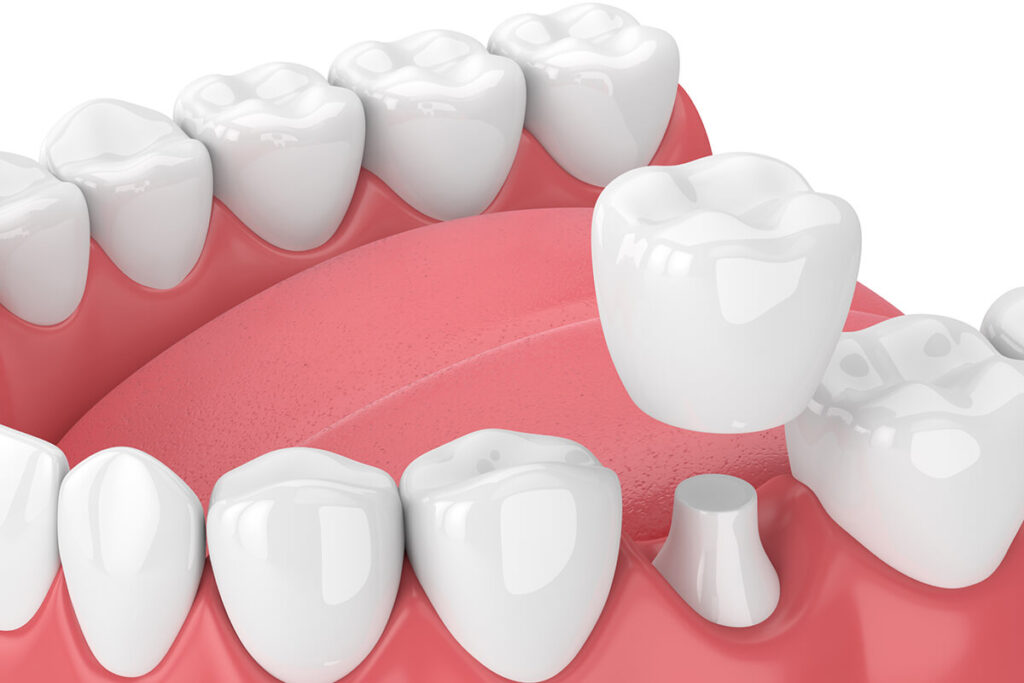
The process of getting a dental crown typically takes two appointments over the course of two weeks. Getting a dental crown is a common dental procedure done to restore a tooth’s shape, size, and strength.
It involves placing a tooth-shaped cap or crown over a damaged or weakened tooth to protect it from further damage. The process usually starts by preparing the tooth, taking impressions, and placing a temporary crown while the permanent one is being made in a laboratory.
The time it takes to get a dental crown may vary based on the type of crown chosen, the materials used, and the dental office’s technology. However, it typically takes two appointments over the course of two weeks to complete the entire process. In some cases, same-day crowns can be made using computer software. The dentist numbs the tooth and surrounding gum tissue before the procedure begins, so patients generally experience minimal discomfort.
How Long Does It Take To Get A Dental Crown?
Factors that affect the time taken to get a dental crown include the location of the tooth, the type of crown chosen, and the traditional or same-day process. Traditionally, it took several weeks and multiple visits to the dentist to get a dental crown. However, same-day dental crowns offer a much quicker solution and can be completed in a single day. The procedure itself is not painful, as the dentist will numb the tooth and surrounding gum tissue with anesthesia. Once the crown is on and the anesthesia wears off, the patient may experience some discomfort or sensitivity. It is important to avoid eating until the anesthesia has worn off, which usually takes a few hours.
| Factors that affect the time taken to get a dental crown | Type of Dental Crown | Traditional or Same-Day Process |
|---|---|---|
| Location of the tooth | Porcelain crowns usually take longer to make than metal crowns due to more intricate steps in the manufacturing process | Traditional process requires several weeks and multiple visits to the dentist. Same-day dental crowns can be completed in a single day |
| Type of crown chosen | Metal crowns can be made much faster than porcelain crowns | |
What Is The Process For Getting A Dental Crown?
The process for getting a dental crown varies depending on the type of crown you select. Traditional crowns typically take several weeks and multiple visits to the dentist, while same-day crowns can be completed in a single appointment. The length of time it takes also depends on factors such as the material used and the complexity of the procedure.
To get a dental crown, the first step is to prepare the tooth by removing any decay and shaping it to fit the crown. Then, impressions of the tooth are taken to create a custom-made crown. While waiting for the permanent crown to be made, a temporary crown is placed over the tooth to protect it. Once the permanent crown is ready, it is cemented onto the tooth. The entire process can take anywhere from one to three weeks, depending on the type of crown and the materials used. It is important to note that getting a dental crown is generally not a painful procedure. Before the procedure, the dentist will numb the tooth and surrounding gum tissue. After the anesthesia wears off, the patient may experience some discomfort or sensitivity.
Post-procedure Care
After getting a dental crown, it is important to follow proper post-procedure care to ensure longevity of the crown. The procedure itself typically takes two appointments over two weeks, but the time required can vary depending on the type of crown chosen.
After getting a dental crown, it is common to experience some discomfort or sensitivity. The dentist will have anesthetized the tooth and the surrounding gum tissue before the procedure, so the actual procedure should not cause any pain. However, once the anesthesia wears off, the patient may experience some discomfort or sensitivity. It is best to avoid eating or drinking for at least 30 minutes after the procedure to allow the crown to set properly.
Caring for the crown is also important. Brushing and flossing regularly will help to keep the crown clean and healthy. If the crown feels loose or uncomfortable, it is important to contact the dentist right away. It is also recommended to avoid chewing hard or sticky foods to prevent damage to the crown.
Overall, taking care of your dental crown post-procedure is crucial to ensuring its longevity and efficacy. Following your dentist’s instructions and visiting them regularly for check-ups will help you maintain good oral health.
The duration of dental crown application may vary depending on the type of crown selected. Porcelain crowns typically require a longer manufacturing process than metal ones, causing the process to take several weeks with multiple visits to the dentist. Alternatively, same-day crowns are available for those seeking a faster application.
Same-Day Crowns Versus Lab-Made Crowns
General dentist registered with the Royal College of Dental Surgeons of Ontario (RCDSO), practising at Peridot Dental Care in Woodbridge. Last reviewed November 2026. This guide is general information and does not replace an exam with your own dentist.
How long a crown takes depends mostly on where it is made. Some offices design and mill crowns in the office the same day; others send a scan or impression to a dental laboratory.
| Crown type | Visits | Typical total time | Notes |
|---|---|---|---|
| Same-day milled crown | One | A few hours | Usually ceramic; limited by material and case |
| Lab-made crown | Two | About one to three weeks | Wider material choice and custom shading |
| Crown after a root canal | Two or more | Weeks, depending on healing | May need a core build-up first |
| Implant crown | Two or more | After implant healing, often months | Requires the implant to integrate first |
What can add time to a crown?
- A root canal needed before the crown.
- A large core build-up to replace missing tooth structure.
- Gum treatment so the edges of the crown can be placed on healthy tissue.
- Shade matching for front teeth, sometimes with a visit to the lab.
- Adjustments or remakes if the fit or colour is not right.
Is a same-day crown as good as a lab crown?
For many back teeth, same-day ceramic crowns perform well. Front teeth that need complex shading, or cases needing metal-ceramic or layered porcelain, are often better made by a lab. Your dentist will recommend the method that suits the tooth.
Caring for a Temporary Crown
If your crown is made by a lab, you will wear a temporary crown for a short time. It protects the prepared tooth but is not as strong as the final crown.
- Avoid sticky foods such as caramel and gum.
- Chew on the other side when you can.
- Slide floss out sideways rather than lifting it up, so the temporary is not pulled off.
- Call the office if the temporary comes off; do not leave the tooth uncovered.
Without the temporary, the prepared tooth can become sensitive, shift slightly or be damaged, which can stop the final crown from fitting.
Coverage and the Canadian Dental Care Plan
The Canadian Dental Care Plan (CDCP) can cover some crowns for eligible members with preauthorization. Many private plans cover crowns under major services. A co-payment may apply under the CDCP depending on family income. Implant crowns are excluded from the CDCP.
Dental Crowns at Peridot Dental Care
Peridot Dental Care is at 6175 Highway 7 West, Unit 7, Woodbridge, and sees patients from Woodbridge, Vaughan, Kleinburg and Maple. Every plan starts with an exam, a clear explanation of your options and a written estimate before treatment begins. You can learn more about our team and read patient reviews on our about page.
Call 647-313-4164 or book an appointment online to talk through your situation with our dentist.
Learn about dental crowns in Woodbridge, read about temporary dental crowns, compare a dental cap and a dental crown, or see dental crown cost factors.
Frequently Asked Questions On How Long Does A Dental Crown Take
Can I get a crown in one day?
Sometimes, if the office makes same-day crowns and the tooth is suitable. Otherwise, two visits about one to three weeks apart are typical.
How long does the crown appointment take?
Preparing the tooth usually takes about an hour. Fitting the final crown is often shorter.
Does getting a crown hurt?
The tooth is frozen during preparation. Some sensitivity afterwards is common and usually settles.
Why do I need a temporary crown?
It protects the prepared tooth and keeps neighbouring teeth from shifting while the final crown is made.
What if my temporary crown falls off?
Call the office. Keep the temporary and avoid chewing on that tooth until it is replaced.
Does the CDCP cover crowns?
Some crowns can be covered for eligible members with preauthorization.
How long does a crown last?
Many crowns last many years with good care and regular checkups.
How Long Does It Take To Have A Crown Put On A Tooth?
Getting a dental crown on a tooth usually takes two appointments over two weeks. The first appointment involves taking an impression of the tooth and placing a temporary crown. The second appointment involves placing the permanent crown created in a laboratory, which takes around two days to two weeks to create.
Is It Painful To Get A Crown?
No, getting a crown is not painful. The dentist will numb the tooth and surrounding area before the procedure. After the anesthesia wears off, the patient may experience some discomfort or sensitivity.
Why Do Dental Crowns Take So Long?
Dental crowns take a long time to make because different materials have varying manufacturing processes. For example, porcelain crowns require more intricate steps and usually take longer than metal crowns, which can be made much faster and typically require fewer steps.
Additionally, the dentist will take impressions and measurements to ensure that the crown fits precisely and blends in with the other teeth. This process can take several weeks to complete.
Conclusion
Getting a dental crown might seem like a daunting process, but knowing what to expect beforehand can make it much easier. The length of time it takes to get a dental crown ultimately depends on the type of crown you choose and the materials used.
While traditional crowns can take weeks and several appointments, same-day crowns can be placed in just a few hours. Additionally, ensuring proper aftercare can help speed up the recovery process and keep your new crown looking and feeling great. By taking these steps into consideration, you can get the dental care you need with ease and confidence.