Partial Dentures for Upper Back Teeth: A Comprehensive Guide
Missing upper back teeth can affect your ability to chew, smile confidently, and speak clearly.
Thankfully, partial dentures offer a practical and cost-effective solution for replacing these teeth and restoring your oral health.
In this article, we’ll explore everything you need to know about partial dentures for upper back teeth, including benefits, types, care tips, and much more.
What Are Partial Dentures?
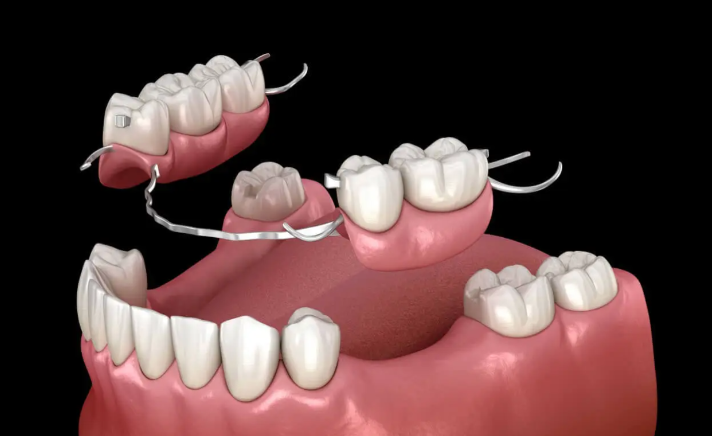
Partial dentures are removable dental appliances designed to replace one or more missing teeth.
They consist of a gum-colored base, artificial teeth, and a metal or acrylic framework that holds the denture in place.
Partial dentures can fill the gaps left by missing teeth, improving both functionality and appearance.
When it comes to upper back teeth, partial dentures are an excellent option for restoring chewing ability and maintaining jaw alignment.
Benefits of Partial Dentures for Upper Back Teeth
- Improved Chewing: Upper back teeth play a crucial role in grinding food. Partial dentures restore this function, making it easier to enjoy a wide variety of foods.
- Enhanced Appearance: Missing teeth can impact the shape of your face. Partial dentures provide a natural look, preventing a sunken appearance.
- Better Speech: Missing teeth can make certain words difficult to pronounce. Partial dentures improve clarity in speech.
- Prevent Shifting of Teeth: Gaps from missing teeth can cause nearby teeth to shift, leading to misalignment. Partial dentures prevent this from happening.
- Cost-Effective Solution: Compared to other tooth replacement options, partial dentures are often more affordable.
Types of Partial Dentures
- Acrylic Partial Dentures:
- Made from acrylic resin, these are lightweight and cost-effective.
- They are often used as temporary solutions.
- Cast Metal Partial Dentures:
- These have a sturdy metal framework, offering durability and a secure fit.
- They are a long-term solution for many people.
- Flexible Partial Dentures:
- Made from flexible materials like nylon, they are comfortable and blend well with natural gums.
- Ideal for people with sensitive gums.
How to Care for Partial Dentures
Proper care can extend the life of your partial dentures and ensure your oral health remains optimal. Follow these tips:
- Clean Daily: Remove your dentures and clean them thoroughly with a soft brush and denture cleaner.
- Soak Overnight: Use a denture solution to keep them moist and maintain their shape.
- Handle with Care: Avoid dropping your dentures to prevent cracks or damage.
- Avoid Harsh Chemicals: Use only approved denture cleaners to avoid damaging the material.
- Maintain Oral Hygiene: Brush your remaining teeth and gums daily to prevent plaque buildup and gum disease.
Process of Getting Partial Dentures
- Initial Consultation: Your dental professional will evaluate your oral health and take impressions of your mouth.
- Design and Fabrication: Based on your specific needs, a custom partial denture is designed.
- Fitting and Adjustments: Once ready, the denture is fitted, and any necessary adjustments are made for comfort.
- Follow-Up Appointments: Regular visits ensure that the denture continues to fit well and perform as expected.
Signs You May Need Partial Dentures
- Difficulty chewing food
- Gaps in your smile due to missing upper back teeth
- Shifting of nearby teeth
- Jaw pain caused by uneven pressure during chewing
If you’re experiencing any of these issues, partial dentures could be the right solution for you.
Why Choose Peridot Dental Care?
If you’re looking for expert care in Ontario, Peridot Dental Care is one of the best options for a comfortable and effective root canal treatment.
For more information or to schedule an appointment, you can contact them at +1 647-313-4164 or via email at info@peridotdentalcare.com.
The clinic is conveniently located at 6175 Highway 7 West, Unit 7, Woodbridge, Ontario.
FAQs About Partial Dentures for Upper Back Teeth
Q: How long do partial dentures last?
A: With proper care, partial dentures can last 5 to 10 years. Regular check-ups are important to ensure they remain in good condition.
Q: Can I eat normally with partial dentures?
A: Yes, but it may take some time to get used to them. Start with soft foods and gradually introduce harder foods as you become more comfortable.
Q: Will partial dentures look natural?
A: Modern partial dentures are designed to blend seamlessly with your natural teeth, providing a natural appearance.
Q: Are partial dentures uncomfortable?
A: It’s common to experience minor discomfort initially, but this usually subsides as you adjust. Proper fitting and regular adjustments can enhance comfort.
Q: Can I sleep with my partial dentures?
A: It’s recommended to remove them at night to allow your gums to rest and to clean the dentures.
Conclusion
Partial dentures for upper back teeth are a practical and effective solution for restoring function and aesthetics to your smile.
By choosing high-quality partial dentures and taking proper care of them, you can enjoy improved oral health and confidence.
If you’re considering partial dentures or need expert dental care in Ontario, don’t hesitate to reach out to Peridot Dental Care.
Their skilled team is ready to assist you in achieving a healthy and beautiful smile. Contact them today at +1 647-313-4164 or via email at info@peridotdentalcare.com.
Have questions about your own smile? Our Woodbridge team can help. Read about dentures in Woodbridge or contact Peridot Dental Care to arrange a visit.
Upper Back Teeth Partials: Key Questions Answered
General dentist registered with the Royal College of Dental Surgeons of Ontario (RCDSO), practising at Peridot Dental Care in Woodbridge. Last reviewed November 2026. This guide is general information and does not replace an exam with your own dentist.
Missing upper back teeth affect chewing more than appearance, and over time the lower teeth can drift up into the space. A partial denture is one of the most practical ways to restore the bite without surgery. These answers cover what Woodbridge patients ask most about upper partials.
Does an Upper Partial Cover the Whole Palate?
Not necessarily. Upper partials need to cross the palate to share chewing forces, but the design can vary. A cast metal partial with a narrow strap leaves most of the palate uncovered, and a horseshoe shape keeps the centre open. Acrylic partials usually cover more area. If you have a strong gag reflex, mention it early so the design keeps clear of the back of the palate.
Which Design Is Best for Upper Molars?
| Design | Palate coverage | Strength | Best for |
|---|---|---|---|
| Cast metal with palatal strap | Narrow band | High | Long-term wear, most patients |
| Cast metal horseshoe | U-shaped, centre open | High | Strong gag reflex, sensitive palate |
| Acrylic plate | Wide | Moderate | Short-term or transitional use |
| Flexible partial | Moderate, soft edges | Moderate | Small gaps, metal sensitivity |
What If the Last Molars Are Missing?
When there is no tooth behind the gap, the back of the partial rests on gum alone. This is called a free-end design. Careful placement of rests, a broad saddle and regular relines keep it stable and protect the teeth holding the clasps.
Can Implants Replace Upper Molars Instead?
Often, yes, but the upper back jaw sits below the sinus and bone can be thin after tooth loss. A sinus lift or bone graft is sometimes needed first, which adds time. A 3D scan shows how much bone is available. See dental implants in Woodbridge for more on this option.
How Do I Get Used to an Upper Partial?
- Wear it during the day so your tongue and palate adapt
- Start with soft foods cut into small pieces and chew on both sides
- Read aloud for a few minutes a day to help speech settle
- Remove it at night unless your dentist advises otherwise
- Book an adjustment if a sore spot lasts more than a day or two
Most people adapt within two to four weeks.
How Should an Upper Partial Be Cleaned?
- Rinse it after meals to remove trapped food
- Brush it each evening with a soft brush and non-abrasive cleanser
- Clean the inside of the clasps where plaque collects
- Soak it overnight in water or a denture solution
- Brush and floss the anchor teeth carefully with fluoride toothpaste
The teeth that hold the clasps work harder than before. Regular cleanings and checkups help them stay healthy for years.
Coverage and the Canadian Dental Care Plan
For eligible patients, the Canadian Dental Care Plan (CDCP) can cover removable partial dentures, usually with preauthorization for a first partial, along with relines and repairs. Implants and fixed bridges are excluded.
Upper Partial Dentures at Peridot Dental Care
Peridot Dental Care is at 6175 Highway 7 West, Unit 7, Woodbridge, and sees patients from Woodbridge, Vaughan, Kleinburg and Maple. Every plan starts with an exam, a clear explanation of your options and a written estimate before treatment begins. You can learn more about our team and read patient reviews on our about page.
Call 647-313-4164 or book an appointment online to talk through your situation with our dentist.
Frequently Asked Questions
Will an upper partial affect my taste?
A wide acrylic plate can reduce sensation slightly. A thin metal strap covers less of the palate, so most people notice little difference.
Can I get a partial for one missing upper molar?
It is possible, but a small partial for one back tooth can be unstable. A design crossing to the other side or an implant is often safer.
How long does an upper partial last?
A cast metal partial can last many years with relines. Acrylic partials usually need replacing sooner.
Can teeth be added to my upper partial later?
Acrylic and cast metal partials can often have a tooth added if another tooth is lost.
Does an upper partial make you gag?
Some people gag at first. The design can be adjusted to stay clear of the back of the palate, and most people adapt.
Do upper partials need relines?
Yes. As the gums change, a reline keeps the partial stable and comfortable.
Is a partial better than a bridge for back teeth?
A bridge needs a healthy tooth on each side of the gap. When the last teeth are missing, a partial or implant is usually needed.