
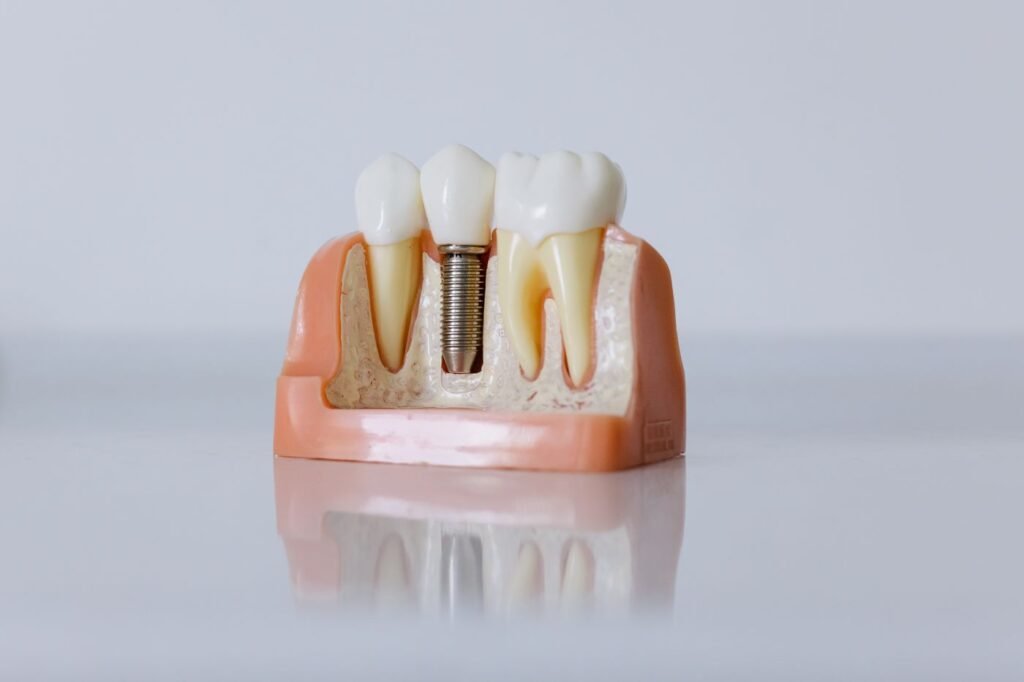
The most common problems with snap-in dentures are worn attachment inserts that lose grip, sore spots, food trapping, gum inflammation around the implants, and occasional cracks in the denture base, and most are easy to prevent with good cleaning and regular checkups. Snap-in dentures are a safe, popular upgrade from regular dentures, but implant gum infections or a loose implant are more serious and should be checked promptly. Our Woodbridge implant dentist can replace inserts and assess implants quickly.
Many patients worry they made the wrong choice when their snap-in denture starts to loosen, or fear the clinic will blame them. A trusted family clinic explains that maintenance is a normal part of snap-in care. Learn more about implant options on our dental implants in Woodbridge page.
Some patients compare snap-in options with traditional dentures to decide what fits their lifestyle.
Gum irritation around implants can sometimes be treated with gentle laser dentistry.
Peridot Dental Care, 6175 Highway 7 West, Unit 7, Woodbridge, Ontario, holds a 4.9 Google rating from 165+ reviews, offers implant consultation promotions, a 20% senior discount for 65+, and accepts new and CDCP patients. Evening and weekend appointments are available at +1 647-313-4164 or info@peridotdentalcare.com.
What Are Snap-In Dentures?
Snap-in dentures attach to two to four implants using small locator or ball attachments. Nylon inserts inside the denture grip the attachments and can be replaced when they wear.
Common Problems and Prevention
| Problem | Cause | How to avoid |
|---|---|---|
| Loose grip | Worn nylon inserts | Replace inserts every 6 to 12 months |
| Sore spots | Denture base rubbing | Adjustments |
| Food trapping | Gaps under denture | Clean after meals |
| Gum inflammation | Plaque on abutments | Brush attachments daily |
| Cracked base | Stress around attachments | Regular checks, reinforcement |
| Hard to remove | New tight inserts | Ask for a softer insert |
Related Dental Services
Maintenance Routine, Step by Step
- Remove the denture after meals and rinse.
- Brush the denture and attachment housings.
- Brush the abutments with a soft or single-tuft brush.
- Soak the denture overnight.
- Book checks every six months.
- Replace inserts when grip weakens.
Warning Signs
- Bleeding or swollen gums around implants
- An implant that feels loose
- Pain when snapping in
- Cracks near attachments

Invisalign vs Braces: For Family Members
| Point | Invisalign | Braces |
|---|---|---|
| Best for | Mild to moderate | Complex |
| Look | Clear | Visible |
Choosing an Implant Clinic
Choose a top dentist in Woodbridge licensed by the Royal College of Dental Surgeons of Ontario (RCDSO) who stocks replacement inserts and offers quick maintenance visits.
Patient Scenarios
Loose after a year
New inserts restored the snap in minutes.
Red gums around implants
Better brushing and a cleaning resolved inflammation.
Common Mistakes
- Skipping insert replacements
- Not brushing abutments
- Sleeping in the denture
Peri-implantitis can lead to bone loss and implant failure. Report bleeding or swelling around implants early.
Myths About Sedation and Kids’ Dentistry
Prevention Tips
- Clean daily
- Remove at night
- Keep six-month checkups
Frequently Asked Questions
Why is my snap-in denture loose?
The nylon inserts are likely worn.
How often should inserts be replaced?
Usually every 6 to 12 months.
Can I sleep in snap-in dentures?
It is best to remove them at night.
Do implants need cleaning?
Yes, brush abutments daily.
Can a cracked snap-in denture be repaired?
Often, yes.
Conclusion
Most snap-in denture problems come from worn inserts or cleaning gaps.
Simple maintenance keeps them secure and comfortable.
Peridot Dental Care makes snap-in upkeep quick and easy.