
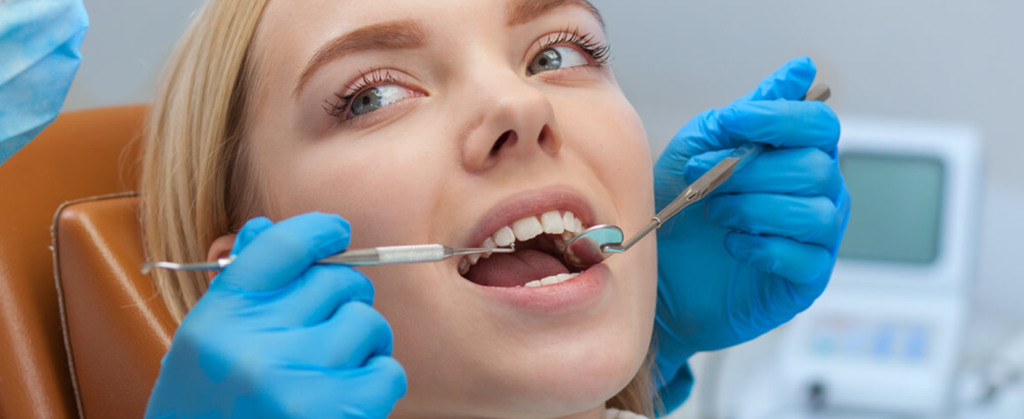
Root Canal Cost in Ontario: What You Need to Know
A root canal is a common dental procedure that can save a damaged or infected tooth. However, one of the biggest questions people have about this treatment is the cost.
Understanding the factors that affect root canal prices and knowing where to find expert care is essential for making informed decisions about your dental health.
If you’re in Ontario and need high-quality dental care, Peridot Dental Care is an excellent choice. They provide comfortable and effective root canal treatments tailored to your needs.
For more information or to schedule an appointment, you can contact them at +1 647-313-4164 or via email at info@peridotdentalcare.com.
Their clinic is located at 6175 Highway 7 West, Unit 7, Woodbridge, Ontario.
What Is a Root Canal?
A root canal is a dental procedure used to treat a tooth that has been severely decayed, cracked, or infected. The process involves:
- Removing the infected pulp: The dentist cleans out the damaged tissue inside the tooth.
- Disinfecting the root canals: The canals are thoroughly cleaned to eliminate bacteria.
- Filling the canals: The cleaned space is filled with a biocompatible material to prevent further infection.
- Sealing and restoring the tooth: A crown or filling is placed to restore the tooth’s function and appearance.
Average Cost of a Root Canal in Ontario
The cost of a root canal in Ontario can vary depending on several factors. On average:
- Front teeth: These are the least expensive to treat, as they have only one canal.
- Premolars: The cost increases slightly due to the presence of more canals.
- Molars: Molars are the most complex teeth to treat, as they often have three or more canals.
It’s important to note that these prices generally cover the root canal procedure but may not include additional costs for X-rays, consultations, or restorative work like crowns.
Factors That Affect Root Canal Costs
Several elements can influence the total cost of a root canal in Ontario:
- Tooth Location
Treating front teeth is typically less expensive than molars, as molars require more time and expertise. - Severity of Damage
A severely infected tooth may require additional steps, which can increase costs. - Restorative Needs
After the root canal, a crown may be necessary to protect the tooth. The material and type of crown you choose can significantly impact the final cost. - Dental Clinic
The clinic you choose plays a big role. Some clinics charge more for advanced technologies or specialized expertise. - Dental Insurance
Many dental insurance plans cover a portion of the root canal cost, reducing your out-of-pocket expenses.
Why Invest in a Root Canal?
Although the cost of a root canal may seem high, it’s important to consider the benefits:
- Preserving Your Natural Tooth: A root canal allows you to keep your original tooth, avoiding the need for extraction and replacement.
- Preventing Further Damage: Treating an infected tooth early prevents the spread of infection to surrounding teeth and tissues.
- Long-Term Savings: While a root canal may seem costly upfront, it is often less expensive than extraction followed by implants or bridges.
How to Choose the Right Dental Clinic
Finding a reliable clinic is key to getting the best care and value for your money. Here’s why Peridot Dental Care stands out:
- Expert Care: The team at Peridot Dental Care specializes in root canal treatments, ensuring a comfortable and effective experience.
- Modern Technology: Their clinic uses advanced equipment to provide precise and efficient care.
- Personalized Approach: They take the time to understand your needs and provide tailored solutions.
- Convenient Location: Situated at 6175 Highway 7 West, Unit 7, Woodbridge, Ontario, the clinic is easily accessible.
Tips to Reduce Root Canal Costs
While root canals are an investment, there are ways to make the treatment more affordable:
- Check Your Insurance Coverage
Review your dental insurance policy to see what percentage of the root canal cost is covered. - Ask About Payment Plans
Many clinics, including Peridot Dental Care, offer payment plans to help patients manage costs. - Prevent Future Problems
Maintain good oral hygiene to avoid the need for additional dental procedures. - Schedule Regular Check-Ups
Routine dental visits can catch problems early, potentially avoiding the need for complex treatments like root canals.
Planning the Cost From First Toothache to Final Crown
General dentist registered with the Royal College of Dental Surgeons of Ontario (RCDSO), practising at Peridot Dental Care in Woodbridge. Last reviewed November 2026. This guide is general information and does not replace an exam with your own dentist.
Many people first hear about root canal costs during a painful emergency, when it is hard to think about budgets. Knowing the usual sequence of visits in advance makes it easier to plan and to ask the right questions.
What Happens at the First Visit?
The first appointment is usually an exam and X-ray to find the cause of the pain. If the tooth needs a root canal and you are in pain, the dentist may open the tooth and remove the inflamed pulp to relieve pressure, then place medication and a temporary filling. This emergency step is often billed separately from the full root canal.
How Is the Main Treatment Billed?
The root canal itself is billed by the number of canals in the tooth. Front teeth usually have one canal, premolars one or two, and molars three or four. Each office sets its own fees, often referring to the Ontario Dental Association suggested fee guide, so the same procedure can be priced differently across Woodbridge, Vaughan and Toronto.
When Is a Specialist Referral Needed?
Most straightforward root canals are done by general dentists. Very curved, narrow or blocked canals, retreatments of old root canals and teeth with unusual anatomy may be referred to an endodontist, a specialist in root canal treatment. Specialist fees are usually higher, and the referral adds a separate estimate.
Why Does the Crown Matter for the Budget?
Back teeth usually need a crown after a root canal to prevent cracking. The crown is a separate procedure with its own fee and often costs as much as the root canal. Some plans cover crowns at a lower percentage than root canals, so check your coverage for both.
| Visit | What happens | Billed as |
|---|---|---|
| Emergency or first visit | Exam, X-ray, pain relief | Exam, X-ray, sometimes emergency pulp removal |
| Main treatment | Cleaning, shaping and sealing canals | Root canal by number of canals |
| Restoration | Core build-up and crown preparation | Build-up and crown |
| Crown delivery | Final crown fitted | Usually included in the crown fee |
| Follow-up | Check X-ray months later | Exam or X-ray |
How Can I Time Treatment Around My Benefits?
- Ask whether the root canal and the crown can fall in different plan years if your maximum is close.
- Request a predetermination for the crown before booking it.
- Do not delay the crown more than a few weeks; ask for a strong bonded filling if a short delay is unavoidable.
- Keep receipts for the medical expense tax credit.
Which Public Programs Can Help in Ontario?
- Canadian Dental Care Plan (CDCP): Covers root canals for eligible members without access to private dental insurance; some crowns may be covered with preauthorization. A co-payment may apply depending on family income.
- ODSP: Covers basic treatment including root canals for the recipient and spouse.
- Healthy Smiles Ontario: Covers treatment for eligible children and youth 17 and under.
- Ontario Seniors Dental Care Program: Covers care for eligible low-income seniors through public health units and community health centres.
- OHIP: Does not cover root canals done in a dental office.
Facial swelling, fever or difficulty swallowing needs urgent care. Call us or go to an emergency department if you cannot reach a dentist.
Is Extraction Really Cheaper?
On the day, removing a tooth usually costs less. Over the following years, a missing back tooth often leads to a bridge, implant or partial denture to stop teeth shifting and restore chewing. Implants are excluded from the CDCP. If the tooth can be saved predictably, a root canal and crown is often the lower-cost choice over time.
Coverage and the Canadian Dental Care Plan
Root canal treatment and extractions are covered services under the Canadian Dental Care Plan (CDCP) for eligible members, and some crowns may be covered with preauthorization. A co-payment may apply depending on family income, and providers should explain any extra charges before treatment.
Root Canal Treatment at Peridot Dental Care
Peridot Dental Care is at 6175 Highway 7 West, Unit 7, Woodbridge, and sees patients from Woodbridge, Vaughan, Kleinburg and Maple. Every plan starts with an exam, a clear explanation of your options and a written estimate before treatment begins. You can learn more about our team and read patient reviews on our about page.
Call 647-313-4164 or book an appointment online to talk through your situation with our dentist.
Learn about root canal treatment in Woodbridge, see how much a root canal costs by tooth, read root canal costs in Toronto, or book an emergency visit.
FAQ
Is a root canal covered by the CDCP in Ontario?
Yes, for eligible members. Some crowns may also be covered with preauthorization.
Why do root canal fees differ between Ontario clinics?
Each office sets its own fees, and costs depend on the tooth, number of canals, imaging and whether a specialist is involved.
Is the crown included in the root canal fee?
No. The crown is a separate procedure with its own fee.
Can I wait to have a root canal?
Waiting usually allows infection to spread and can make treatment more complex. Pain relief now and planning the rest soon is a common approach.
Does OHIP pay for root canals?
No. OHIP does not cover root canals done in a dental office.
How long does the whole process take?
Often one or two visits for the root canal and one or two more for the crown, over a few weeks.
Will a specialist charge more?
Usually. Endodontists handle complex cases and often charge higher fees.
1. Is a root canal painful?
No, modern root canal treatments are designed to be as comfortable as possible. Local anesthesia ensures you won’t feel pain during the procedure.
2. How long does a root canal take?
Most root canal procedures take 1-2 hours, depending on the complexity of the tooth being treated.
3. Do I need a crown after a root canal?
In most cases, a crown is recommended to protect the treated tooth and restore its function.
4. Can a root canal fail?
While rare, a root canal can fail if the tooth becomes reinfected. Regular dental visits and good oral hygiene minimize this risk.
5. What is the recovery time after a root canal?
Most patients can return to normal activities the day after the procedure. Mild soreness is common but typically resolves within a few days.
Conclusion
Root canals are an effective way to save damaged or infected teeth, but understanding the costs involved is crucial.
While prices in Ontario vary based on factors like tooth location and complexity, investing in a root canal can save you money and discomfort in the long run.
For expert care in Ontario, trust Peridot Dental Care. Their skilled team ensures a comfortable experience tailored to your needs.
To schedule an appointment or learn more, call them at +1 647-313-4164 or email info@peridotdentalcare.com.
Visit their clinic at 6175 Highway 7 West, Unit 7, Woodbridge, Ontario, and take the first step toward restoring your smile!
Next step: see how we provide root canal treatment at Peridot Dental Care in Woodbridge, and book a consultation when you are ready.