

Root canal recovery can vary, but generally, patients may experience mild discomfort lasting a few days. It’s essential to follow post-treatment care instructions for a smooth recovery.
Recovering from a root canal procedure is a crucial step towards restoring oral health and alleviating discomfort. With proper care and attention, individuals can expect to resume their normal activities, free from the pain and discomfort that led them to seek treatment in the first place.
Understanding what to expect during the recovery process can help patients feel at ease and confident in their journey towards optimal oral health. We’ll explore the typical recovery timeline, offer tips for managing any post-treatment discomfort, and discuss when to seek further assistance from a dental professional.

Credit: forestparkdental.com
Symptoms Of Root Canal Recovery
Root canal recovery is a process that involves healing and restoration after undergoing a root canal procedure. It is important to be aware of the symptoms that may occur during the recovery period. Immediate post-procedure symptoms can include pain or discomfort in the treated area, which can be managed with over-the-counter pain relievers. Some patients may experience swelling and tenderness, but these symptoms usually subside within a few days. Long-term recovery symptoms may include sensitivity to hot or cold temperatures, which should gradually decrease over time. It is also common to feel a slight aching sensation in the tooth, but this should diminish as the healing process progresses. Regular follow-up visits with the dentist are essential to monitor the recovery progress and address any concerns.
Tips For A Smooth Recovery
After a root canal, following your dentist’s instructions is crucial for smooth recovery. Take prescribed pain medications to manage discomfort and practice good oral hygiene to avoid infections. Avoid crunchy or sticky foods and habits like smoking that can disturb the healing process.
Dealing With Pain And Discomfort
Natural remedies such as cloves and peppermint oil can help alleviate discomfort after a root canal. Ice packs applied to the affected area can also provide temporary relief. Over-the-counter pain medication may be recommended by your dentist to manage pain. Additionally, engaging in gentle exercises such as walking can help relieve muscle tension and discomfort. It’s important to follow your dentist’s post-procedure care instructions closely for a smooth recovery.
Common Complications During Recovery
During the recovery period after a root canal, it is important to be aware of common complications that may arise. One such complication is infection, which can occur if the treated tooth is not properly cleaned and sealed. This can lead to persistent pain or swelling, which indicates the presence of infection. Additionally, nerve damage can also occur during the root canal procedure, resulting in numbness or tingling sensations in the affected area. It is important to promptly notify your dentist if you experience any of these complications, as they may require further treatment to ensure proper healing. By closely monitoring your recovery and seeking prompt dental care, you can minimize the risks associated with root canal complications and aid in a smooth recovery process.
When To Seek Professional Help
Signs of infection following a root canal procedure include severe or prolonged pain and bleeding or excessive swelling. If you experience intense pain that doesn’t subside or if the pain worsens over time, it may indicate an infection. Additionally, any bleeding or swelling that is unusual, excessive, or persists beyond a few days should be a cause for concern. It is important not to ignore these symptoms as they could be indicative of a more serious issue that requires professional help.

Credit: www.smileydental.net
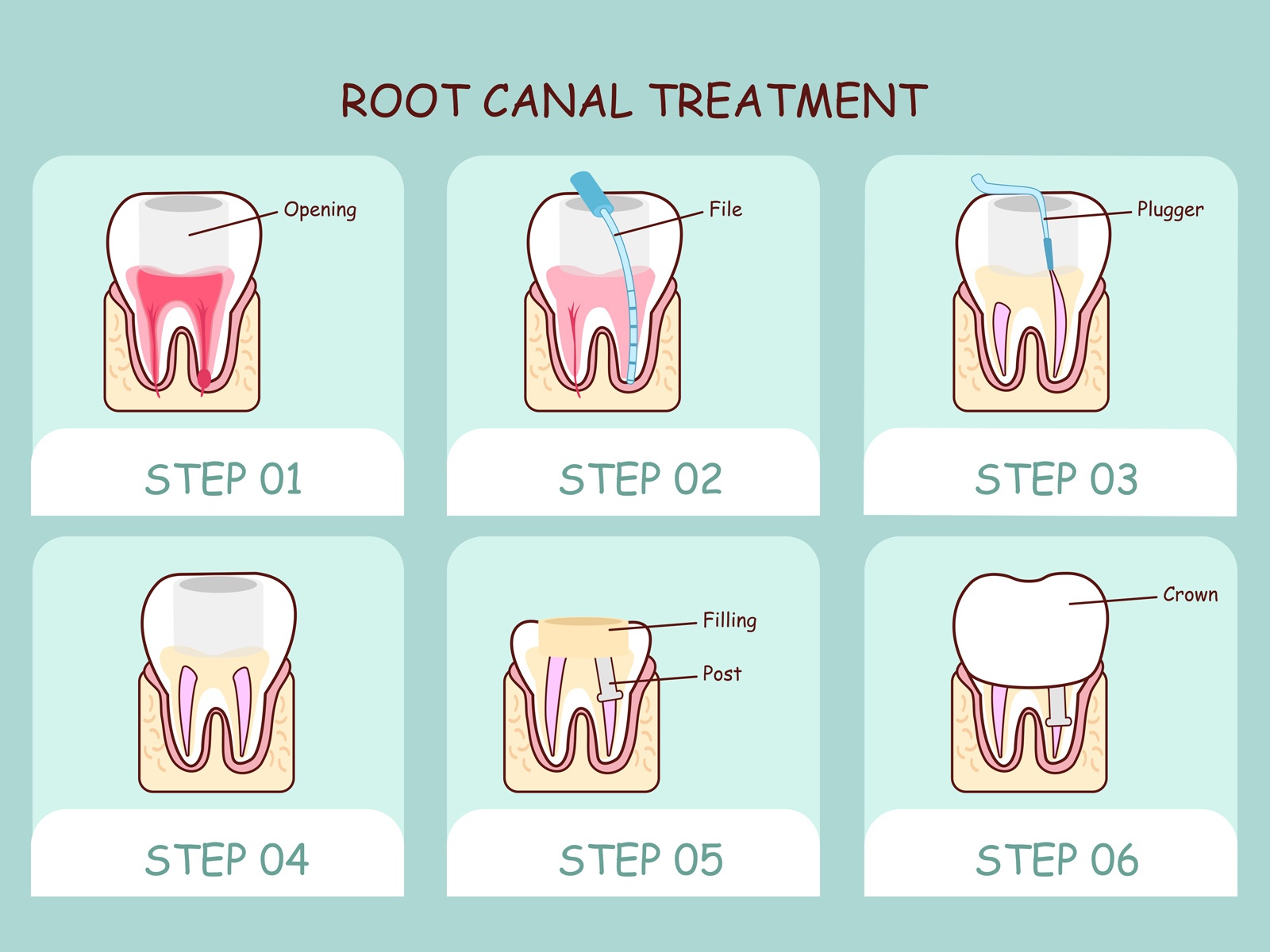
Credit: www.smilepointdentalvictoria.com
Getting Back to Normal Life After a Root Canal
General dentist registered with the Royal College of Dental Surgeons of Ontario (RCDSO), practising at Peridot Dental Care in Woodbridge. Last reviewed November 2026. This guide is general information and does not replace an exam with your own dentist.
Most people recover from a root canal quickly, but everyday questions come up: can I go back to work, exercise, or have a glass of wine? Here are practical answers.
Can I go back to work the same day?
Usually, yes. Most people return to work or school the same day or the next. If you had sedation, plan to rest for the rest of the day and do not drive. If your job involves a lot of talking, the numbness may make speaking awkward for a few hours.
When can I exercise?
Light activity is fine the same day. Many dentists suggest waiting a day before intense workouts, especially if the tooth was badly infected or you had surgery, because increased blood pressure can make the area throb.
How should I sleep the first night?
Sleeping with your head slightly raised on an extra pillow can reduce throbbing. Take pain relief as advised before bed so it is working through the night.
Can I drink alcohol after a root canal?
It is best to avoid alcohol for at least the first day, particularly if you are taking prescription pain relief or antibiotics, which may interact with alcohol.
What Should I Eat in the First Few Days?
- Wait until numbness wears off before eating.
- Choose soft foods such as eggs, yogurt, pasta, soup and fish.
- Chew on the opposite side.
- Avoid hard, crunchy and sticky foods on the treated tooth.
- Avoid very hot or very cold foods if the area feels tender.
| Day | Typical feeling | Food |
|---|---|---|
| Day of treatment | Numb, then mild ache | Soft, lukewarm |
| Days 2 to 3 | Tender to bite | Soft, chew other side |
| Days 4 to 7 | Improving steadily | Most soft to normal foods |
| After final crown | Normal | Normal diet |
Is Recovery Different After Retreatment or Surgery?
Retreating an old root canal can cause slightly more soreness than a first root canal because the tissues were already irritated and the treatment takes longer. A root-end surgery, called an apicoectomy, involves a small incision in the gum and stitches. Expect more swelling for a few days, cold packs, soft foods and a stitch check about a week later.
- Swelling that increases after day three
- Fever
- Pain that is getting worse rather than better
- A lost or broken temporary filling
- An uneven bite that hurts when you close
Recovery When You Have Other Health Conditions
Some health conditions affect how you heal, so share your full medical history with your dentist.
- Diabetes: Healing can be slower when blood sugar is high. Keep sugars well controlled around treatment.
- Blood thinners: Root canals rarely cause significant bleeding, but surgery may need planning with your physician.
- Weakened immune system: Follow-up may be closer, and antibiotics may be considered in some cases.
- Pregnancy: Treating painful infections is generally safer than leaving them; tell your dentist so medications and X-rays are chosen carefully.
Why Does the Tooth Feel Different After Recovery?
A root-treated tooth no longer has a living nerve, so it does not feel hot or cold. It can still feel pressure through the ligament around the root, so chewing feels natural. Some people notice the tooth feels slightly different for a few weeks; this usually fades as the tissues settle.
Back teeth usually need a crown to prevent cracking. Scheduling it while you are still in the office makes it less likely to be delayed.
Can I Brush the Tooth Normally After a Root Canal?
Yes. Brush gently around the treated tooth from the same day, using a soft brush, and floss carefully so you do not pull out a temporary filling. Keeping the area clean helps the gum around the tooth settle quickly.
Coverage and the Canadian Dental Care Plan
Root canal treatment is covered under the Canadian Dental Care Plan (CDCP) for eligible members, and some crowns may be covered with preauthorization. A co-payment may apply depending on family income. ODSP and many private plans also cover root canals. OHIP does not cover root canals in a dental office.
Root Canal Care at Peridot Dental Care
Peridot Dental Care is at 6175 Highway 7 West, Unit 7, Woodbridge, and sees patients from Woodbridge, Vaughan, Kleinburg and Maple. Every plan starts with an exam, a clear explanation of your options and a written estimate before treatment begins. You can learn more about our team and read patient reviews on our about page.
Call 647-313-4164 or book an appointment online to talk through your situation with our dentist.
Learn about root canal treatment in Woodbridge, see the root canal recovery timeline, read soft food ideas after dental surgery, or learn about dental crowns.
Frequently Asked Questions For Root Canal Recovery
Can I go to work after a root canal?
Most people return the same day or the next. Rest the remainder of the day if you had sedation.
When can I exercise after a root canal?
Light activity is fine. Wait about a day before intense exercise, especially after surgery.
Is it normal for the tooth to hurt when I bite?
Mild tenderness for a few days is common. Ongoing or worsening pain should be checked.
Can I drink alcohol after a root canal?
Avoid it for at least the first day, especially if taking pain relief or antibiotics.
How long is recovery after an apicoectomy?
Usually several days of swelling and soreness, with stitches checked or removed about a week later.
Does the CDCP cover root canals?
Yes, for eligible members, with a co-payment depending on family income.
When should the crown be placed?
Usually within a few weeks of the root canal.
Can I Eat After A Root Canal?
Yes, you can eat after a root canal treatment. However, it is recommended to avoid sticky and hard foods for the first few days to prevent any damage to the treated tooth. Stick to soft foods like yogurt, soup, and mashed potatoes until you feel comfortable enough to chew normally.
How Long Does It Take To Recover From A Root Canal?
The recovery time after a root canal procedure varies from person to person. In most cases, it takes a few days to a week to fully recover. You may experience sensitivity and mild discomfort during this period, but it should gradually subside.
If the pain persists or worsens, consult your dentist.
Is It Normal To Have Pain After A Root Canal?
It is normal to experience some discomfort after a root canal treatment. You may have sensitivity to hot or cold temperatures and mild pain for a few days. This is mostly due to inflammation in the surrounding tissues. However, if the pain is severe, persists for more than a week, or is accompanied by swelling, contact your dentist.
Conclusion
After undergoing a root canal, proper recovery is crucial for healing and restoring oral health. By following post-treatment instructions provided by your dentist, such as taking prescribed medications, practicing good oral hygiene, and avoiding hard and sticky foods, you can ensure a smooth recovery process.
It is important to attend follow-up appointments to monitor progress and address any concerns. Remember, allowing your body time to heal is essential in achieving a successful root canal outcome. Reach out to your dentist for any questions or additional guidance.
Next step: see how we provide root canal treatment at Peridot Dental Care in Woodbridge, and book a consultation when you are ready.