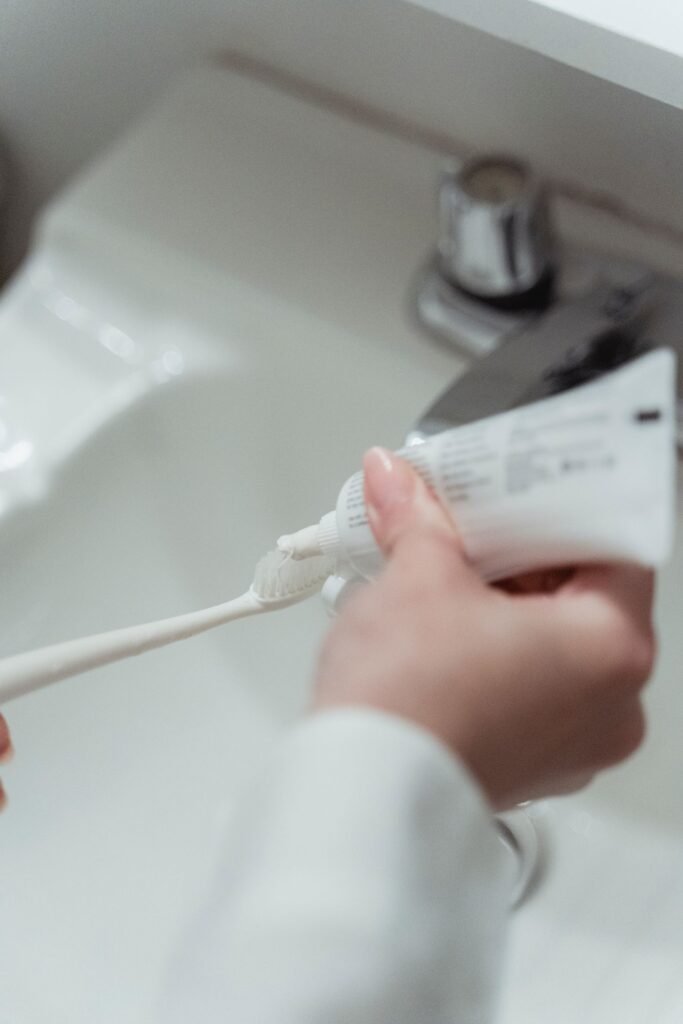
The best toothpaste for dentures is a non-abrasive denture paste or a mild cleanser, because regular toothpaste contains abrasives that scratch acrylic and create grooves where stains and bacteria collect. Using regular toothpaste once is not harmful, but daily use can dull your denture and make it look older faster. Our dentist in Woodbridge can recommend products that suit your denture type.
Many denture wearers keep using regular toothpaste because no one told them otherwise, and some feel embarrassed asking. A trusted family clinic gives simple, practical advice for every member of the household. Learn more about cleaning on our dentures in Woodbridge page.
If you have natural teeth with a partial, regular fluoride toothpaste is still right for those teeth. Our team can also discuss teeth whitening for natural teeth so they match your partial.
Patients with snap-in dentures on implants need specific care for the attachments as well.
Peridot Dental Care at 6175 Highway 7 West, Unit 7, Woodbridge, Ontario, holds a 4.9 Google rating from 165+ reviews. New and CDCP patients are welcome, seniors 65+ get 20% off, and evening and weekend appointments are available. Call +1 647-313-4164 or email info@peridotdentalcare.com.
Why Regular Toothpaste Is Not Ideal
Toothpaste for natural teeth is designed for hard enamel. Acrylic is softer, so abrasives like silica and baking soda leave tiny scratches. Over time, these scratches trap stains and plaque.
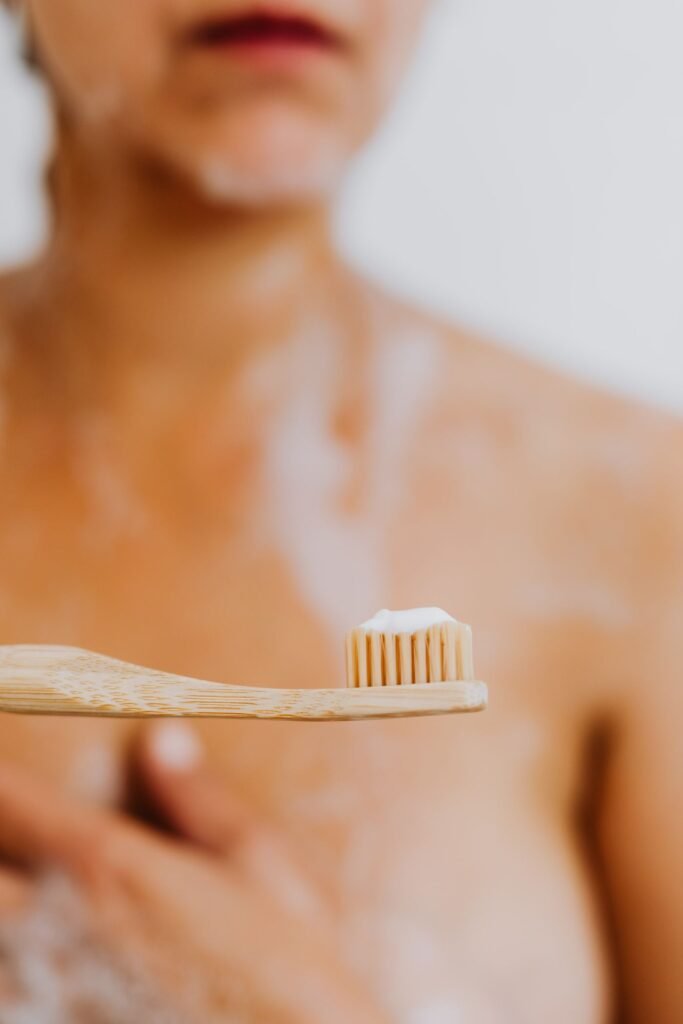
Denture Cleaning Products Compared
| Product | Abrasiveness | Best use |
|---|---|---|
| Denture paste | Low | Daily brushing |
| Mild dish soap | Very low | Simple daily cleaning |
| Soaking tablets | None | Overnight soak |
| Regular toothpaste | Moderate to high | Natural teeth only |
| Whitening toothpaste | High | Avoid on dentures |
Dental Services for Denture Wearers
How to Brush Dentures Properly
- Remove dentures over a towel or water-filled sink.
- Rinse off loose food.
- Apply a small amount of denture paste.
- Brush all surfaces gently with a denture brush.
- Rinse thoroughly.
- Soak overnight in a cleanser.
Signs You Are Using the Wrong Products
- Dentures look dull or cloudy
- Stains return quickly
- Rough patches on the acrylic
- Persistent odour
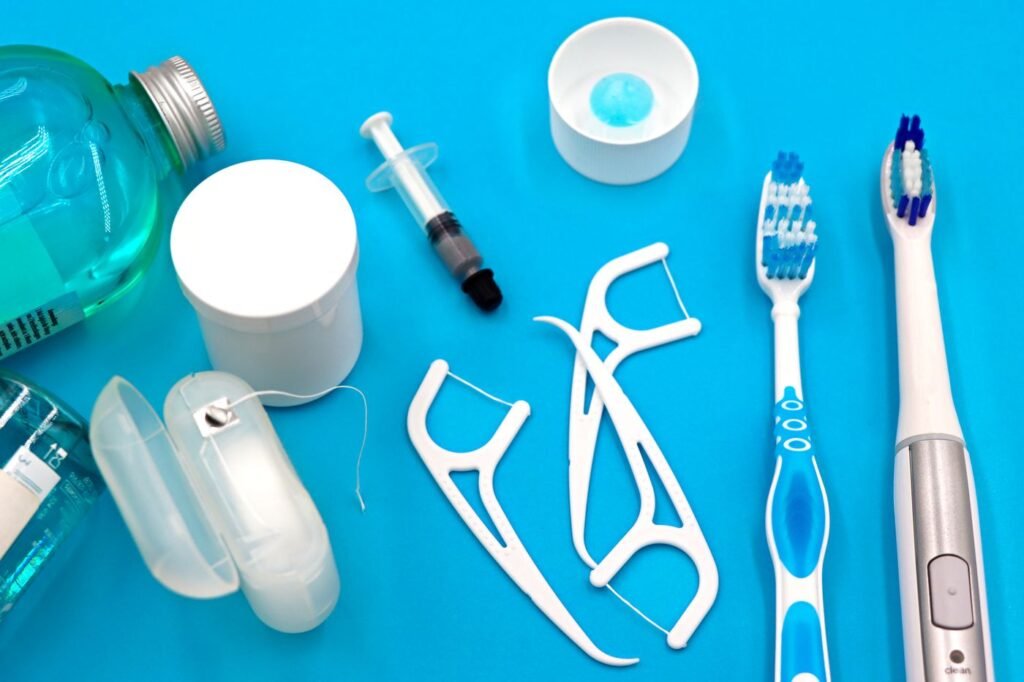
Invisalign vs Braces: Toothpaste Tips
| Point | Invisalign | Braces |
|---|---|---|
| Clean trays with toothpaste | No, it scratches | Not applicable |
| Use fluoride on teeth | Yes | Yes |
Choosing a Dentist
Choose a dentist in Woodbridge licensed by the Royal College of Dental Surgeons of Ontario (RCDSO) who checks your denture surface and fit at every visit.
Patient Scenarios
A senior with cloudy dentures
Switching to denture paste and a professional polish restored shine.
A partial denture wearer
She used fluoride toothpaste on natural teeth and denture paste on the partial.
Common Mistakes
- Using whitening toothpaste on dentures
- Scrubbing with a hard brush
- Using hot water
Do not use bleach, vinegar soaks for long periods, or household cleaners on dentures. They can damage acrylic and metal.
Myths About Sedation and Children’s Dentistry
Daily Care Tips
- Brush dentures and gums every day
- Soak overnight
- Rinse after meals
Denture Cleaning Questions From Our Woodbridge Patients
General dentist registered with the Royal College of Dental Surgeons of Ontario (RCDSO), practising at Peridot Dental Care in Woodbridge. Last reviewed November 2026. This guide is general information and does not replace an exam with your own dentist.
Most people with new dentures reach for the same toothpaste they used on natural teeth. It seems sensible, but denture acrylic is much softer than enamel, and the abrasives that polish natural teeth slowly scratch a denture. Those scratches hold stains, plaque and odour. The answers below explain what to use instead and how to build a routine that keeps dentures clean and comfortable.
Why is regular toothpaste a problem for dentures?
Toothpaste contains mild abrasives designed to remove plaque from hard enamel. On acrylic, they leave fine scratches that you cannot see at first. Over months, the surface becomes dull and rough, bacteria and yeast settle into the scratches, and the denture picks up stains and smells more easily. Whitening and charcoal pastes are even more abrasive.
What should I use to brush my dentures?
Use a soft denture brush with a non-abrasive denture paste, a mild unscented liquid soap or a gentle denture cleanser. Brush every surface, including the fitting side that touches your gums, where plaque collects most. Rinse well before soaking or wearing the denture.
Are soaking tablets enough on their own?
No. Soaking loosens debris and kills some bacteria, but it does not remove the sticky plaque film. Brushing first and soaking afterwards gives the best result. Always rinse a soaked denture thoroughly before putting it back in your mouth.
Should I still use toothpaste on my natural teeth?
Yes. If you have a partial denture or any remaining teeth, keep brushing them twice a day with a fluoride toothpaste. Clean especially well around the teeth that hold clasps, because they are more prone to decay and gum problems.
How do I care for my gums under a full denture?
Brush your gums, tongue and palate each morning with a soft toothbrush or wipe them with a damp cloth. This removes plaque, improves circulation and lowers the risk of fungal irritation under the denture.
How often should dentures be professionally cleaned?
Once a year is a good minimum. In the office, ultrasonic cleaning and polishing remove tartar and stains that home brushing misses, and your dentist checks the fit and your gums at the same visit.
Choosing the Right Cleaning Products
| Product | Safe for dentures? | Notes |
|---|---|---|
| Regular toothpaste | Not recommended | Abrasive, scratches acrylic over time |
| Whitening or charcoal paste | Avoid | Highly abrasive |
| Baking soda | Use sparingly | Mildly abrasive, can dull the surface |
| Denture paste or gel | Yes | Designed for acrylic |
| Mild unscented soap | Yes | Gentle and inexpensive |
| Denture soaking tablets | Yes, after brushing | Loosens debris and freshens |
| Bleach | Never | Weakens and discolours the base |
A Simple Daily Routine
- Rinse the denture after every meal to remove food
- Brush it each evening with a soft brush and non-abrasive cleanser
- Brush your gums, tongue and any natural teeth
- Soak the denture overnight in water or a soaking solution
- Rinse thoroughly before wearing it in the morning
Clean your denture over a folded towel or a sink partly filled with water. If it slips, it lands softly instead of cracking.
Signs Your Cleaning Routine Needs a Change
- The denture looks dull, rough or stained despite daily brushing
- You notice a persistent odour or bad taste
- White patches or redness appear on the gums under the denture
- Hard tartar builds up on the teeth of the denture
Any of these is a good reason for a professional clean and a check of your gums and fit.
Coverage and the Canadian Dental Care Plan
Eligible patients can use the Canadian Dental Care Plan (CDCP) for exams and some denture services, such as relines and repairs, within plan limits. Cleaning products for home use are not covered.
Denture Care at Peridot Dental Care
Peridot Dental Care is at 6175 Highway 7 West, Unit 7, Woodbridge, and sees patients from Woodbridge, Vaughan, Kleinburg and Maple. Every plan starts with an exam, a clear explanation of your options and a written estimate before treatment begins. You can learn more about our team and read patient reviews on our about page.
Call 647-313-4164 or book an appointment online to talk through your situation with our dentist.
Caring for Different Types of Dentures
Not every denture is cleaned in exactly the same way, so it helps to know a few differences.
Full acrylic dentures
Brush every surface, including the fitting side, with a soft denture brush and a non-abrasive cleanser each evening, then soak overnight. Pay attention to the groove along the inside edge where plaque collects.
Partial dentures with metal clasps
Brush gently around and inside each clasp, where food and plaque hide. Avoid soaking solutions containing bleach, which can corrode metal. Keep brushing the natural teeth that hold the clasps with a fluoride toothpaste.
Flexible partials
Use a soft brush and a cleanser recommended for flexible materials. Some soaking products can stain or weaken flexible bases, so ask your dentist which one suits yours.
Dentures with soft liners
Soft liners are more porous than acrylic and can absorb stains and odour. Brush them very gently and use the soaking solution your dentist recommends.
Whichever type you have, rinse well after soaking and bring the denture to your yearly check so the surface, fit and your gums can be reviewed.
If you live with others or are going into hospital, label your denture case clearly so your denture is not lost or mixed up.
Frequently Asked Questions
Can I use regular toothpaste on dentures?
It is not recommended because it can scratch acrylic.
What can I use instead?
Denture paste, mild soap, or soaking tablets.
Should I brush my gums?
Yes, gently with a soft brush.
How often should dentures be cleaned?
Every day.
Can toothpaste whiten dentures?
No, whitening pastes damage them.
Can I use dish soap on dentures?
A small amount of mild, unscented liquid soap is safe. Rinse thoroughly afterwards so no taste remains.
Should I brush dentures with hot water?
No. Hot water can warp acrylic and change the fit. Lukewarm water is safest.
Conclusion
Choose a non-abrasive denture paste to protect your denture’s surface.
Daily brushing and overnight soaking keep dentures fresh.
Peridot Dental Care helps every denture wearer use the right products.