Dental implants cost is made up of the implant post, the abutment, and the crown or prosthesis, plus planning, imaging, and any extractions, grafts, or sedation, which is why two patients replacing one tooth can receive different estimates. Implants are a safe, long-lasting way to replace missing teeth, and while the upfront cost is higher than some alternatives, their lifespan often makes them good value over time. Our Woodbridge dentist explains every part of the estimate before treatment begins.
Patients often worry about whether an implant is worth it and whether a clinic is being transparent. Families also want one office that can care for everyone over the years. A trusted clinic builds that confidence with clear plans. Read about the process on our dental implants in Woodbridge page.
For comparison, a dental bridge may cost less upfront for a single gap.
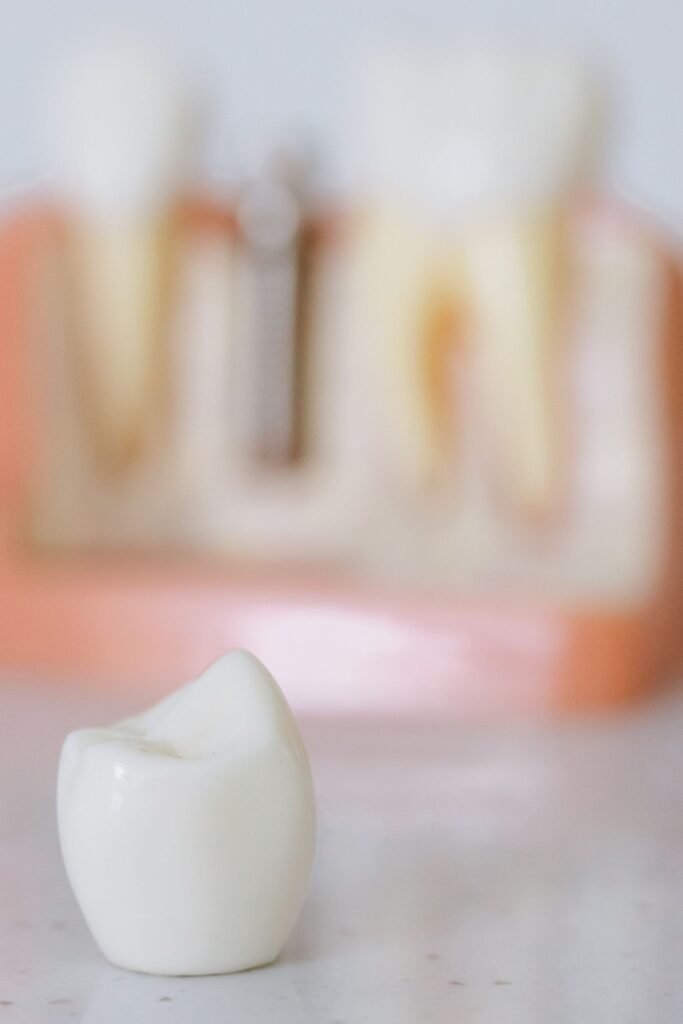
The visible part of the implant is a custom dental crown designed to match your teeth.
Peridot Dental Care, 6175 Highway 7 West, Unit 7, Woodbridge, Ontario, holds a 4.9 Google rating from 165+ reviews, runs special promotions for implant consultations, gives seniors 65+ a 20% discount, and accepts new and CDCP patients. Evening and weekend appointments are available at +1 647-313-4164 or info@peridotdentalcare.com.
The Three Parts of an Implant
- Implant post: titanium or zirconia root in the bone
- Abutment: connector between post and crown
- Crown: the visible tooth
What Changes the Cost
| Factor | Effect |
|---|---|
| Bone graft | Adds a step and cost |
| Sinus lift | Adds a step and cost |
| Extraction | Adds a step |
| Premium crown material | Higher cost |
| Custom abutment | Higher cost |
| Multiple implants at once | Lower per-implant cost |
Implants vs Alternatives Over Time
| Option | Upfront | Typical lifespan |
|---|---|---|
| Implant | Higher | Often decades |
| Bridge | Moderate | 10 to 15 years |
| Partial denture | Lower | 5 to 10 years |
Related Dental Services
Implant Process
- Consultation and 3D scan.
- Estimate.
- Preparatory care.
- Implant placement.
- Healing.
- Abutment and crown.
Signs You May Need an Implant
- A missing tooth
- A broken tooth that cannot be saved
- A loose bridge

Invisalign vs Braces Before Implants
| Point | Invisalign | Braces |
|---|---|---|
| Space adjustments | Small | Large |
| Look | Clear | Visible |
Choosing an Implant Dentist
Choose a dentist in Woodbridge candidate licensed by the Royal College of Dental Surgeons of Ontario (RCDSO), using known implant brands and 3D planning.
Patient Scenarios
One front tooth
An implant with a custom abutment gave a natural look.
Two molars
Two implants were placed in one surgery to reduce visits.
Common Mistakes
- Comparing quotes without the crown cost
- Skipping grafts when needed
- Neglecting maintenance
Implants are not immune to gum disease. Clean them daily and attend cleanings.
Myths About Sedation and Kids’ Dentistry
Implant Care Tips
- Brush and floss daily
- Wear a night guard if you grind
- Keep regular cleanings
How Tooth Position and Number Change the Estimate
General dentist registered with the Royal College of Dental Surgeons of Ontario (RCDSO), practising at Peridot Dental Care in Woodbridge. Last reviewed November 2026. This guide is general information and does not replace an exam with your own dentist.
Two people asking about the cost of a dental implant may be talking about very different treatments. Which tooth is missing, and how many, has a large effect on the plan and the estimate.
What does a single front tooth implant involve?
Front teeth are the most demanding cosmetically. The bone over upper front roots is thin and often shrinks after extraction, so grafting is common. A custom abutment and a carefully shaded crown help the result blend with neighbouring teeth, and a temporary tooth is needed during healing. These steps add time and cost compared with a back tooth.
What about a single premolar or lower molar?
Lower back teeth often have dense bone and enough height, so many can be treated without major grafting. Strength matters more than translucency, and a stock abutment with a strong crown is common.
Why do upper molars often need extra steps?
Upper molars sit just below the sinus. When they are lost, the bone often thins and the sinus can expand downward. A sinus lift or a shorter implant may be needed, which adds a procedure and healing time.
Several teeth in a row
Instead of one implant per tooth, two implants can often support a three or four-tooth bridge. This uses fewer implants than single replacements and can lower the total cost while still leaving natural teeth untouched.
A full arch
Four to six implants can carry a full arch of fixed teeth, or two to four can stabilize a removable denture. Full-arch treatment involves more planning, temporary teeth and maintenance.
| Situation | Typical implants | Extra steps often needed | Relative cost |
|---|---|---|---|
| Front tooth | 1 | Graft, custom abutment, temporary tooth | Moderate to higher |
| Lower back tooth | 1 | Often none | Moderate |
| Upper molar | 1 | Sinus lift or graft | Higher |
| Three teeth in a row | 2 with a bridge | Possibly graft | Lower than three single implants |
| Lower denture stabilization | 2 | Denture adaptation | Moderate |
| Fixed full arch | 4 to 6 | Extractions, temporary bridge | Highest |
How Do You Read an Implant Estimate?
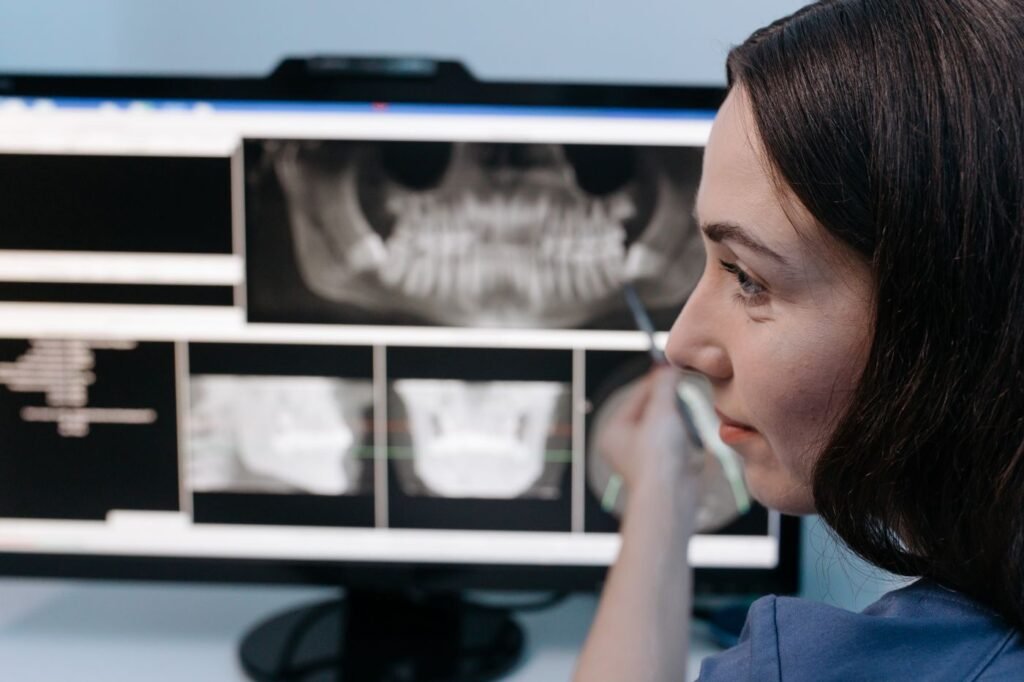
Implant estimates usually list several procedure codes. Knowing what each line means helps you compare offices.
- Consultation and imaging: Exam, X-rays and a 3D scan.
- Extraction: Removing the tooth if it is still present.
- Socket or ridge graft: Bone graft material and membrane if needed.
- Implant placement: The surgical step and the implant itself.
- Abutment: The connector between the implant and the crown.
- Crown or bridge: The visible tooth or teeth.
- Follow-up: Check visits and X-rays.
If an estimate shows only the implant placement, ask whether the abutment, crown, graft and imaging are extra. Comparing a complete estimate with a partial one is not a fair comparison.
What Insurance May Pay, Line by Line
Private plans often treat each part of an implant differently. A common pattern looks like this:
- Extraction: Often covered under basic or surgical services.
- Bone graft: Sometimes covered, sometimes excluded.
- Implant placement: Covered by some plans, excluded by others.
- Abutment and crown: Some plans cover the crown even when the implant is excluded.
- Alternate benefit: Some plans pay what a bridge or partial denture would have cost, applied toward the implant.
Asking your dental office to send a predetermination with each code gives you a written answer before treatment.
Save the predetermination response with your treatment plan. If the estimate changes, a new predetermination can confirm the updated amounts.
Why Cheap Implant Offers Can Cost More
Low advertised prices often cover only the implant fixture, not the abutment, crown or imaging. Some use components that are hard to source later, or are offered far from home, which makes follow-up difficult. When problems arise months or years later, a local dentist may have to manage an unfamiliar system, which can be expensive. A complete, local estimate is usually better value over time.
Coverage and the Canadian Dental Care Plan
The Canadian Dental Care Plan (CDCP) excludes dental implants and all implant-related procedures. It covers extractions and removable partial and complete dentures for eligible members, some with preauthorization, with a co-payment depending on family income. ODSP does not list implants for routine tooth replacement, and OHIP does not cover implants placed in a dental office. Non-cosmetic dental expenses you pay yourself may count toward the federal medical expense tax credit.
Dental Implant Estimates at Peridot Dental Care
Peridot Dental Care is at 6175 Highway 7 West, Unit 7, Woodbridge, and sees patients from Woodbridge, Vaughan, Kleinburg and Maple. Every plan starts with an exam, a clear explanation of your options and a written estimate before treatment begins. You can learn more about our team and read patient reviews on our about page.
Call 647-313-4164 or book an appointment online to talk through your situation with our dentist.
Learn about dental implants in Woodbridge, dental crowns and dental bridges, or read about implant costs in Ontario and the average cost factors of implants.
Does timing affect the cost?
It can. Placing an implant soon after extraction, sometimes on the same day, can avoid a separate surgery and reduce bone loss. Waiting years after losing a tooth often means more grafting. If you are unsure about an implant, a socket graft at the time of extraction keeps your options open at a lower cost than a larger graft later.
How long does the whole process take?
For a lower back tooth with good bone, often three to four months from placement to crown. Front teeth and upper molars needing grafts or sinus lifts can take six months to a year. Your estimate should show the expected timeline so you can plan payments.
- Same-day implants: possible in selected cases.
- Socket grafts: help preserve bone for later implants.
- Longer timelines: common with grafting or sinus lifts.
Frequently Asked Questions
Why do implant costs vary?
Because bone, extractions, grafts, and materials differ.
Is the crown included?
Ask for a full estimate that lists it.
Are implants worth the cost?
Their lifespan often makes them good value.
Does insurance cover implants?
Some plans cover parts.
How long does treatment take?
Usually three to nine months.
Why does a front tooth implant often cost more than a back tooth?
Front teeth often need grafting, a custom abutment, a temporary tooth and careful shade matching to look natural.
Is it cheaper to replace three missing teeth with two implants?
Often, yes. Two implants supporting a three-tooth bridge usually cost less than three single implants and crowns.
Conclusion
Implant cost includes the post, abutment, crown, and any preparation.
Long lifespan often makes implants a strong investment.
Peridot Dental Care explains every part of your implant estimate clearly.