
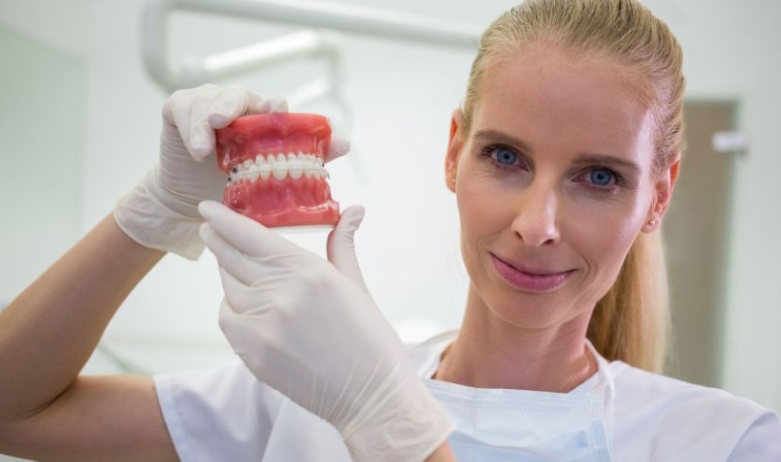
Dentures are an essential solution for those who have lost their natural teeth. However, as time goes on, the fit of your dentures can change.
This is where a denture reline becomes crucial. Over time, your gums and bone structure shift, causing your dentures to feel loose or uncomfortable.
A denture reline adjusts the fit by reshaping the underside of the denture. It improves comfort and prevents irritation or soreness.
In this guide, we’ll discuss what to expect from your first denture reline. We’ll also highlight why Peridot Dental Care in Ontario is a trusted clinic for this service.
Why You Need a Denture Reline
Your mouth is constantly changing. The bone and gum tissues under your dentures shrink over time.
This happens due to natural aging or changes in body weight. Poorly fitting dentures can cause discomfort, gum irritation, and difficulty chewing.
A denture reline helps restore a snug fit. This makes wearing dentures more comfortable and prevents further oral health issues.
Types of Denture Relines
There are two common types of denture relines: soft reline and hard reline. Each serves a unique purpose, depending on your needs.
Soft Reline
A soft reline is ideal for those with sensitive gums. It involves applying a more pliable material to the denture, providing a cushion-like effect.
This type of reline offers immediate relief for those who experience discomfort from hard dentures. Soft relines are more flexible but need replacement more frequently.
Hard Reline
A hard reline is a more durable solution. The dentist will replace some of the existing material with a firmer one, giving the denture a more solid fit.
While less flexible, hard relines last longer and offer better stability. This type of reline is often recommended for long-term denture wearers.
Signs You Need a Denture Reline
It’s essential to monitor how your dentures fit over time. If you experience any of the following signs, it might be time for a reline:
- Loose Dentures: If your dentures move around or fall out easily, it’s a clear sign they no longer fit properly.
- Gum Irritation: Sore spots or inflamed gums are indicators that your dentures are rubbing against the tissue.
- Difficulty Eating: Trouble chewing or biting with dentures is another sign they aren’t fitting as they should.
Benefits of a Denture Reline
Relining your dentures offers several key benefits. Firstly, it improves the fit of your dentures, making them more comfortable to wear.
Relines also help to prevent long-term oral health issues like gum recession and bone loss. A good fit ensures that your dentures function correctly for eating and speaking.
First Denture Reline: What to Expect
Your first denture reline will be a straightforward process. The dentist will assess the fit of your current dentures and decide whether a soft or hard reline is suitable.
The process involves reshaping the surface that touches your gums, ensuring a more snug fit. In most cases, the entire procedure can be completed during a single visit.
How Long Does a Denture Reline Last?
On average, a denture reline will last between one and two years. The exact lifespan depends on several factors, including how well you care for your dentures.
It’s recommended to schedule regular dental visits to assess the fit of your dentures and determine when a reline is needed.
How to Care for Your Relined Dentures
Proper care extends the life of your relined dentures. Always clean them thoroughly with a soft brush and denture-specific cleanser.
Soak your dentures overnight to maintain their shape and prevent drying out. Regular visits to the clinic will also help ensure that your dentures continue to fit well.
Why Choose Peridot Dental Care for Your First Denture Reline?
When it comes to denture care in Ontario, Peridot Dental Care stands out as one of the best clinics. Their team offers exceptional dental services with a focus on personalized care.
The clinic is known for using advanced technology to ensure accurate and comfortable denture relines. With years of experience, they ensure each patient receives tailored solutions.
Convenient Location and Contact Information
Located at 6175 Highway 7 West, Unit 7, Woodbridge, Ontario, Peridot Dental Care is easily accessible for all patients in the region.
For inquiries or to book your first denture reline, you can reach them at +1 647-313-4164 or via email at info@peridotdentalcare.com.
Preventing the Need for Frequent Relines
While denture relines are necessary every couple of years, proper care can reduce how often they are needed. Maintain good oral hygiene by cleaning your gums and any remaining teeth daily.
Avoid chewing on hard or sticky foods that could dislodge your dentures. Regular check-ups at Peridot Dental Care can also help you maintain the fit of your dentures over time.
How Relines Improve Denture Function
Relines don’t just improve comfort; they also make your dentures more functional. A better fit means better stability, which helps with chewing, speaking, and overall oral health.
A secure denture fit ensures that pressure is evenly distributed across your gums, preventing sore spots and other issues.
Soft vs. Hard Relines: Which Is Right for You?
Choosing between a soft and hard reline depends on your unique situation. Soft relines are ideal for those with sensitive gums or who experience frequent discomfort.
Hard relines, on the other hand, offer a long-term solution with better durability. Your dentist at Peridot Dental Care will help you decide which option is best for you.
Understanding Denture Relines
Understanding the reline process helps you make informed decisions about your denture care. Soft relines provide immediate comfort, while hard relines offer long-lasting stability.
If you’re unsure which type you need, Peridot Dental Care will guide you through the options. They prioritize patient comfort and satisfaction.
First Relines for Different Types of Dentures
General dentist registered with the Royal College of Dental Surgeons of Ontario (RCDSO), practising at Peridot Dental Care in Woodbridge. Last reviewed November 2026. This guide is general information and does not replace an exam with your own dentist.
Most information about relines focuses on full dentures. If you wear a partial denture or an implant-retained denture, your first reline works a little differently.
| Denture type | Why it needs relining | What changes in the process |
|---|---|---|
| Complete denture | Gums and bone shrink under the base | Whole fitting surface is renewed |
| Partial denture | Gum shrinks under the false teeth, often after recent extractions | Only the saddle areas are relined; clasps and rests stay the same |
| Immediate denture | Rapid healing after extractions | Often a soft liner first, then a permanent reline |
| Snap-in implant denture | Gums behind the implants change; denture rocks | Reline the base, then re-seat the attachment housings |
| Flexible partial | Material is hard to bond to | Often cannot be relined; may need remaking |
Does a partial denture reline change the clasps?
No. The clasps and metal rests stay where they are. Only the acrylic areas resting on the gum are relined so they sit snugly again. If the clasps are also loose, they can be adjusted at the same visit.
Why does an implant denture still need relining?
With two implants at the front, much of the chewing force at the back is still carried by the gums. As that area changes, the denture can rock on the implants, which wears the attachments quickly. A reline restores even support and protects the implants.
Why Home Reline Kits Are Risky
Pharmacy reline kits promise a quick fix, but they can create new problems.
- They can harden unevenly and change your bite.
- They may press on areas that should be relieved, causing sores.
- Poorly bonded material traps bacteria and yeast.
- They make a later professional reline harder, because the material has to be removed first.
If you must use one, follow the directions exactly and book a professional reline as soon as possible.
Managing the Day of Your Reline
- Ask whether the reline is done chairside or at a lab, and how long you will be without the denture.
- Book early in the day if the denture is going to a lab.
- Plan soft foods for the day.
- Bring a spare denture if you have one.
- Expect the relined denture to feel snug for a day or two.
Coverage and the Canadian Dental Care Plan
The Canadian Dental Care Plan (CDCP) covers denture relines and repairs for eligible members within frequency limits, along with complete and partial dentures, some with preauthorization. Relines of implant-supported dentures are excluded. A co-payment may apply depending on family income. ODSP covers relines for the recipient and spouse within its limits.
Denture Relines at Peridot Dental Care
Peridot Dental Care is at 6175 Highway 7 West, Unit 7, Woodbridge, and sees patients from Woodbridge, Vaughan, Kleinburg and Maple. Every plan starts with an exam, a clear explanation of your options and a written estimate before treatment begins. You can learn more about our team and read patient reviews on our about page.
Call 647-313-4164 or book an appointment online to talk through your situation with our dentist.
See our denture services, read about soft liners for dentures, learn what to expect on day 3 after immediate dentures, or see dentures fitting poorly pictures.
Frequently Asked Questions
Can a partial denture be relined?
Yes, acrylic and cast metal partials can usually be relined under the saddles. Flexible partials often cannot.
Do implant dentures need relines?
Yes, occasionally, when the gums behind the implants change and the denture begins to rock.
Is a home reline kit safe?
Only as a short emergency step. Professional relines are more accurate and safer for your gums and bite.
How long will I be without my denture?
Chairside relines take about an hour. Lab relines often take most of a day.
Will my denture feel different after the first reline?
It will feel snugger, sometimes slightly bulkier, for a day or two.
Does the CDCP cover relines?
Yes, for eligible members within frequency limits. Implant denture relines are excluded.
How often will I need relines after the first one?
Usually every few years, depending on how quickly your gums change.
Conclusion
Your first denture reline is an essential step in ensuring that your dentures continue to fit well and function properly. Over time, your mouth changes, and dentures can become loose or uncomfortable.
Whether you opt for a soft or hard reline, the process will improve comfort and prevent issues like sore gums and difficulty eating.
For those seeking expert care in Ontario, Peridot Dental Care offers professional denture services with a focus on comfort and precision.
To schedule your first denture reline, contact Peridot Dental Care at +1 647-313-4164 or email info@peridotdentalcare.com. Their clinic at 6175 Highway 7 West, Unit 7, Woodbridge, Ontario, is ready to provide exceptional care for all your denture needs.
Have questions about your own smile? Our Woodbridge team can help. Read about dentures in Woodbridge or contact Peridot Dental Care to arrange a visit.