How much a root canal is depends on which tooth needs it, how many canals it has, and whether a crown is needed afterward, but in most cases saving the tooth with a root canal costs less over time than removing it and replacing it with an implant or bridge. A root canal is a common, routine treatment, while an untreated tooth infection is a serious problem that can spread. At our dental clinic in Woodbridge, you can compare the cost of saving versus replacing the tooth before choosing.
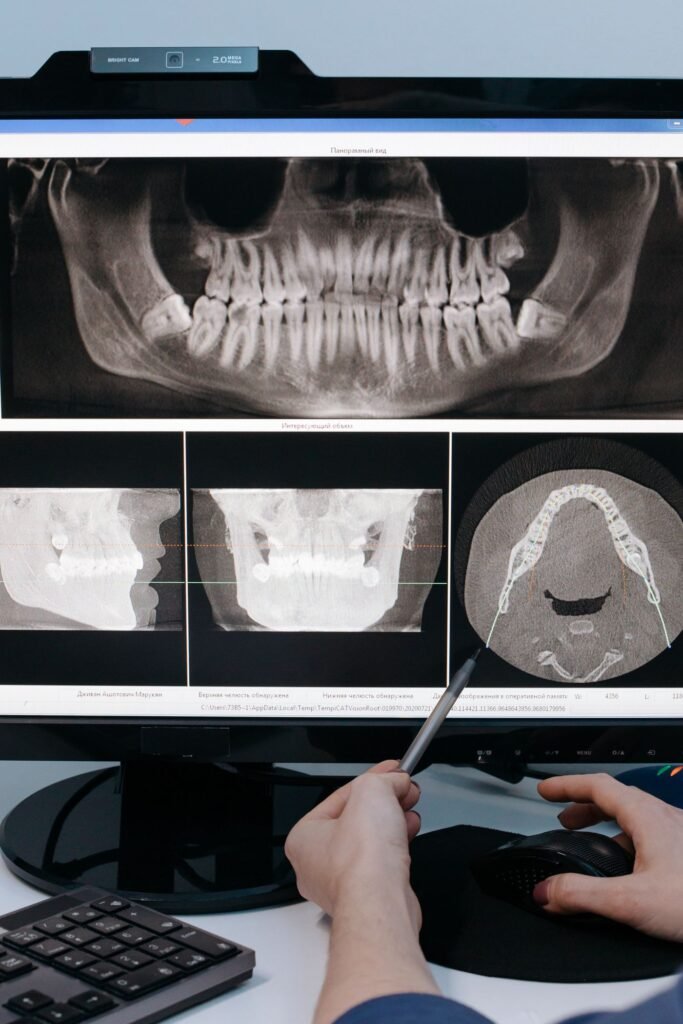
People often hear “root canal” and immediately think “expensive and painful.” Families also wonder whether a clinic will be honest about whether the tooth is worth saving. A trusted dentist shows you the X-ray and gives an honest opinion. When a tooth cannot be saved, the alternative is a tooth extraction.
Replacing an extracted tooth usually means an implant, which has its own cost and healing time.
Another replacement option is a dental bridge, which uses the neighbouring teeth for support.
Peridot Dental Care, 6175 Highway 7 West, Unit 7, Woodbridge, Ontario, holds a 4.9 Google rating from 165+ reviews. The clinic accepts new and CDCP patients, gives seniors 65+ a 20% discount, and offers evening and weekend appointments. Call +1 647-313-4164 or email info@peridotdentalcare.com.
What Is a Root Canal?
It is a procedure that removes infected or inflamed pulp from the inside of a tooth, disinfects the canals, and seals them. The tooth stays in place and keeps working.

Save or Replace? A Value Comparison
| Option | Keeps natural tooth | Visits | Long-term relative cost |
|---|---|---|---|
| Root canal and crown | Yes | 2 to 3 | Moderate |
| Extraction only | No | 1 | Lowest now, highest later |
| Extraction and implant | No | Several over months | Higher |
| Extraction and bridge | No | 2 to 3 | Moderate to higher |
What Affects the Price?
- Front teeth are simpler than molars
- Hidden or curved canals take longer
- Retreatment costs more than a first root canal
- Crowns and build-ups are added separately
- Coverage from insurance, CDCP, or the senior discount helps
Services at One Family Clinic
Root Canal Steps
- Exam, X-rays, and diagnosis.
- Written estimate.
- Numbing and isolation.
- Canal cleaning and disinfection.
- Sealing the canals.
- Crown placed at a later visit.
Signs a Root Canal Might Be Needed
- Lingering pain after cold or hot
- Pain on biting
- A gum boil near the tooth
- Darkening of the tooth

Invisalign vs Braces With Treated Teeth
| Point | Invisalign | Braces |
|---|---|---|
| Moves treated teeth | Yes | Yes |
| Appearance | Clear | Visible |
How to Choose a Dentist
Choose a dentist in Woodbridge candidate licensed by the Royal College of Dental Surgeons of Ontario (RCDSO) who explains save-or-replace choices without pressure.
Patient Scenarios
A premolar worth saving
A root canal and crown cost less than an implant and kept her natural tooth.
A cracked molar beyond repair
An extraction and implant were planned instead.
Common Mistakes
- Pulling a savable tooth to save money now
- Delaying treatment until swelling
- Skipping the crown
Do not rely on painkillers or antibiotics to hide an infection. It needs proper treatment.
Myths About Sedation and Kids’ Dentistry
Prevention
- Brush and floss daily
- Visit every six months
- Fix small cavities quickly
Root Canal or Extraction: Weighing the Long-Term Value
General dentist registered with the Royal College of Dental Surgeons of Ontario (RCDSO), practising at Peridot Dental Care in Woodbridge. Last reviewed November 2026. This guide is general information and does not replace an exam with your own dentist.
When patients ask how much a root canal costs, the next question is usually whether pulling the tooth would be cheaper. On the day, extraction often is. Over the years, replacing the missing tooth usually costs more than saving it. These answers help you compare the two fairly.
What do I get for the cost of a root canal?
Relief from the infected or inflamed nerve, removal of the infection, a sealed tooth and the chance to keep your natural root and bone. With a crown, the tooth can work like any other for many years.
Why is extraction not always the cheaper choice?
After extraction, neighbouring teeth can drift and the bone shrinks. Replacing the tooth with an implant, bridge or partial denture adds significant cost. Leaving the gap can cause chewing and bite problems.
When is extraction the better option?
When the tooth is cracked below the gum, has very little structure left, or has advanced gum disease, saving it may not be predictable. Your dentist will explain the outlook honestly.
How many visits does a root canal need?
Often one or two visits for the root canal itself, plus a visit or two for the crown on back teeth.
Can I delay treatment to save money?
Delays usually cost more. Infection can spread, the tooth can crack and a simple root canal can become a retreatment or extraction. Ask about staging the crown instead if budget is tight.
Root Canal vs Extraction Over Time
| Path | Short term | Long term |
|---|---|---|
| Root canal and crown | More visits upfront | Natural tooth kept, bone preserved |
| Extraction only | Quick, lower cost on the day | Drifting teeth, bone loss, chewing issues |
| Extraction and implant | Surgery and healing time | Fixed replacement, higher total cost |
| Extraction and bridge | Neighbouring teeth crowned | Fixed, depends on anchor teeth |
| Extraction and partial | Removable | Lower cost, needs relines and care |
How to Decide
- Ask about the tooth’s long-term outlook
- Compare the full cost of saving it with replacing it
- Consider how important that tooth is for chewing
- Check what your insurance or the CDCP covers for each path
- Make the decision before infection or pain forces it
Facial swelling, fever or severe pain should be seen quickly. Contact our emergency dentist for urgent help.
Coverage and the Canadian Dental Care Plan
For eligible patients, the Canadian Dental Care Plan (CDCP) covers root canal treatment and extractions, and some crowns with preauthorization. Implants are excluded. See our guide to root canal or tooth extraction decisions for more on long-term outcomes.
Root Canal Treatment at Peridot Dental Care
Peridot Dental Care is at 6175 Highway 7 West, Unit 7, Woodbridge, and sees patients from Woodbridge, Vaughan, Kleinburg and Maple. Every plan starts with an exam, a clear explanation of your options and a written estimate before treatment begins. You can learn more about our team and read patient reviews on our about page.
Call 647-313-4164 or book an appointment online to talk through your situation with our dentist.
What Happens If You Do Nothing?
Some people put off treatment hoping the problem will settle. Occasionally pain fades, but that often means the nerve has died, not that the problem is solved. Infection can continue to spread into the bone, sometimes without symptoms, until a painful abscess or facial swelling develops. A tooth weakened by decay may also crack, leaving extraction as the only option.
Can antibiotics fix a tooth that needs a root canal?
Antibiotics can help control spreading infection, but they cannot clean out the infected tissue inside the tooth. Without treatment, the infection usually returns once the antibiotics stop.
Is a root canal painful?
Modern root canal treatment is done under local anaesthetic, and most people say it feels similar to having a filling. The pain usually comes before treatment, from the inflamed or infected nerve, and settles afterwards.
Planning Treatment Around Your Budget
If cost is a concern, talk openly with your dentist. Options often include completing the root canal now and placing the crown a few weeks later, timing treatment across two insurance benefit years, or checking eligibility for the CDCP. What usually costs more is waiting until infection spreads or the tooth cracks. A clear, itemized plan lets you see every stage and decide how to schedule it while keeping the tooth protected.
Will a root canal hurt my wallet less than an implant?
In most cases, yes. Saving a natural tooth with a root canal and crown is usually a smaller investment than extraction followed by an implant, and it keeps your own root and bone in place.
If you do not have private dental insurance, check whether you qualify for the Canadian Dental Care Plan before treatment, since root canals are a covered service.
Frequently Asked Questions
Is a root canal worth the cost?
In most cases, saving a natural tooth is the better long-term value.
Is a root canal cheaper than an implant?
Usually yes, even with a crown.
Does CDCP pay for root canals?
CDCP covers endodontics for eligible patients.
How long does a root canal last?
Many last a lifetime with a good crown.
Can I wait to get one?
Waiting risks infection spreading and the tooth breaking.
Is it better to save a tooth or pull it?
Saving a natural tooth is usually preferred when it has a good outlook, because it keeps your bite and bone. Your dentist will advise based on the tooth.
Can a root canal be done in one visit?
Many root canals are completed in one visit. Infected or complex teeth may need two.
Conclusion
A root canal usually costs less over time than replacing a tooth.
An honest X-ray review shows whether your tooth is worth saving.
Peridot Dental Care helps you decide with clear estimates and gentle care.