Permanent Partial Denture: A Complete Guide
A permanent partial denture is a great solution for people who have lost some of their teeth but still have natural teeth remaining.
This dental appliance helps restore function, appearance, and confidence.
In this comprehensive guide, we will explore everything you need to know about permanent partial dentures, including their benefits, procedure, and care tips.
What Is a Permanent Partial Denture?
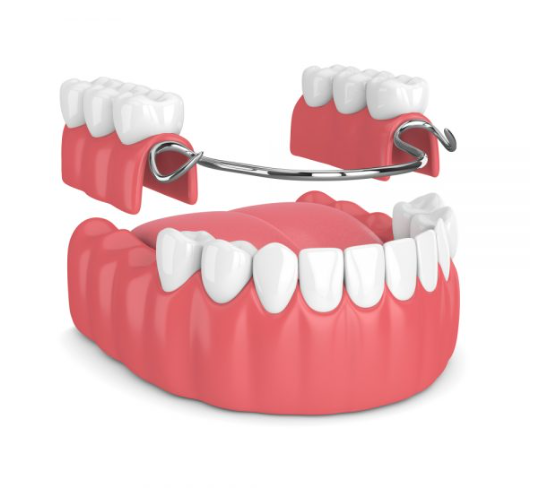
A permanent partial denture is a fixed or removable dental appliance designed to replace missing teeth.
It is made to blend seamlessly with natural teeth, improving both aesthetics and functionality. These dentures are custom-made to fit comfortably and securely in the mouth.
Benefits of a Permanent Partial Denture
1. Restores Chewing Ability
- Missing teeth can make chewing difficult. A partial denture restores proper function, allowing for a varied diet.
2. Enhances Speech
- Gaps in teeth can affect pronunciation. A well-fitted denture helps improve speech clarity.
3. Prevents Teeth Shifting
- When a tooth is lost, nearby teeth may shift into the empty space, causing misalignment. A partial denture helps maintain the structure of the mouth.
4. Improves Appearance
- A partial denture fills gaps and enhances the smile, boosting confidence.
5. Custom Fit for Comfort
- Modern dentures are designed to fit securely and comfortably, making them easy to wear.
The Process of Getting a Permanent Partial Denture
Step 1: Consultation
- A dental professional examines your mouth and discusses the best denture options based on your needs.
Step 2: Impressions and Measurements
- Molds of your mouth are taken to ensure a perfect fit.
Step 3: Creating the Denture
- The custom denture is crafted to match your natural teeth in color, shape, and size.
Step 4: Fitting and Adjustments
- The denture is placed in the mouth, and any necessary adjustments are made for comfort.
Step 5: Final Placement
- Once the fit is perfect, the denture is securely placed, and care instructions are provided.
Caring for a Permanent Partial Denture
- Maintain Oral Hygiene: Brush and floss daily to keep natural teeth and gums healthy.
- Clean the Denture: Use a soft toothbrush and denture cleaner to remove plaque and stains.
- Avoid Hard Foods: Sticky or hard foods may damage the denture.
- Regular Check-Ups: Visit a dental professional to ensure the denture remains in good condition.
Who Is a Good Candidate for a Permanent Partial Denture?
- Individuals with multiple missing teeth but still have some natural teeth.
- Those looking for a fixed or removable solution for missing teeth.
- People who want an alternative to dental implants or bridges.
What Does “Permanent” Mean for a Partial Denture?
General dentist registered with the Royal College of Dental Surgeons of Ontario (RCDSO), practising at Peridot Dental Care in Woodbridge. Last reviewed November 2026. This guide is general information and does not replace an exam with your own dentist.
Patients use the phrase permanent partial denture in different ways. In dentistry, a fixed partial denture is the formal name for a bridge: replacement teeth that are cemented or screwed in place and cannot be taken out at home. Some people also use the term for a removable partial that is very secure, such as one held by precision attachments. Knowing which one you mean makes the conversation with your dentist much easier.
Is a fixed bridge the same as a permanent partial denture?
Yes. A traditional bridge replaces one or more teeth by joining false teeth to crowns on the natural teeth on either side of the gap. It stays in your mouth all the time and is cleaned like natural teeth, with special floss or a water flosser under the false tooth.
What is an implant-supported bridge?
When several teeth are missing in a row, two or more implants can hold a bridge without relying on natural teeth. It is fixed in place and does not put load on the neighbouring teeth.
What is a precision attachment partial?
This is a removable partial that clips onto small attachments built into crowns on your natural teeth instead of using visible metal clasps. It is very stable and discreet, but it is still taken out for cleaning.
Can a removable partial become permanent later?
Often a removable partial is used first, while gums heal or while you plan treatment. Later, a bridge or implants can replace it if the supporting teeth and bone are suitable.
Fixed and Removable Options Side by Side
| Option | Fixed or removable | Relies on natural teeth | Surgery needed | Best suited to |
|---|---|---|---|---|
| Traditional bridge | Fixed | Yes, crowned teeth either side | No | Short gaps with strong neighbours |
| Resin-bonded bridge | Fixed | Lightly, bonded to back of teeth | No | Single front tooth gaps |
| Implant crown or bridge | Fixed | No | Yes | Gaps where bone is sufficient |
| Precision attachment partial | Removable | Yes, crowned teeth with attachments | No | Several gaps, clasp-free look |
| Cast metal partial | Removable | Yes, clasps and rests | No | Several gaps, flexible budget |
How Do You Decide Between Fixed and Removable?
- Count the gaps. One or two short gaps often suit a bridge or implants; several gaps spread around the mouth often suit a partial.
- Check the neighbouring teeth. A bridge needs strong, healthy teeth on either side.
- Look at the bone. Implants need enough bone height and width, or a graft first.
- Think about cleaning. Fixed options need careful flossing under them; removable ones come out to clean.
- Consider your health. Some conditions and medications affect healing after implant surgery.
- Ask about the long-term plan, including what happens if another tooth is lost.
To fit a traditional bridge, the teeth beside the gap are shaped for crowns. That is worth weighing if those teeth are healthy and untouched.
What Is Caring for a Fixed Partial Denture Like?
A bridge or implant bridge stays in, so daily care happens in your mouth. Brush twice a day, and clean under the false teeth once a day with a floss threader, super floss, small interdental brushes or a water flosser. Plaque trapped under a bridge can cause decay at the edge of the crowns or gum inflammation around implants. Regular cleanings and checks let your dentist spot early problems at the margins.
- Use a floss threader or super floss under the bridge every day.
- Choose a low-abrasion toothpaste to protect crown margins.
- Wear a night guard if you grind.
- Avoid chewing ice or opening packages with your teeth.
Who Is Not a Good Fit for a Fixed Option?
- People with untreated gum disease or decay, until it is under control
- People whose neighbouring teeth are weak or loose
- Those who smoke heavily or have uncontrolled diabetes, for implant surgery
- People who would struggle to clean under a fixed bridge
In these cases a well-made removable partial may be the safer choice, and it can still look natural.
It often helps to ask your dentist to outline one fixed and one removable plan, with the number of visits and the maintenance each needs, so you can compare them side by side.
How Long Do Fixed Partial Dentures Last?
A bridge or implant bridge can last many years, but its lifespan depends mostly on the health of the supporting teeth, gums and bone. Decay at the crown edges and gum disease are the most common reasons a bridge has to be redone. Daily cleaning under the bridge and regular checks make the biggest difference.
Coverage and the Canadian Dental Care Plan
Removable partial dentures can be covered under the Canadian Dental Care Plan (CDCP) for eligible members, and some need preauthorization. The CDCP does not cover fixed bridges, dental implants or implant-supported bridges. Private plans vary, and many cover bridges at a major services level. OHIP does not cover dental office treatment.
Partial Denture and Bridge Options at Peridot Dental Care
Peridot Dental Care is at 6175 Highway 7 West, Unit 7, Woodbridge, and sees patients from Woodbridge, Vaughan, Kleinburg and Maple. Every plan starts with an exam, a clear explanation of your options and a written estimate before treatment begins. You can learn more about our team and read patient reviews on our about page.
Call 647-313-4164 or book an appointment online to talk through your situation with our dentist.
Learn about a dental bridge in Woodbridge, dental implants and dentures, read the dental flipper vs partial denture comparison, or see symptoms of an ill-fitting dental bridge.
Frequently Asked Questions (FAQs)
Is a permanent partial denture the same as a bridge?
Yes. In dental terms, a fixed partial denture is a bridge cemented to teeth or fixed to implants.
Can I take out a permanent partial denture?
No. Fixed bridges and implant bridges are removed only by a dentist.
Is a precision attachment partial permanent?
No. It is very secure but still removable for cleaning.
Does a bridge damage the teeth next to it?
The neighbouring teeth are shaped for crowns, so healthy enamel is removed.
How do I clean under a fixed partial denture?
Use a floss threader, super floss, interdental brushes or a water flosser every day.
Does the CDCP cover a permanent partial denture?
The CDCP covers removable partials for eligible members but not fixed bridges or implants.
Which option lasts longest?
It depends on your teeth, bone and care. Ask your dentist to compare options for your mouth.
1. How long does a permanent partial denture last?
- With proper care, it can last for several years before needing adjustments or replacement.
2. Can I eat normally with a partial denture?
- Yes, but it may take some time to adjust. Soft foods are recommended initially.
3. Do permanent partial dentures feel natural?
- Modern dentures are designed for comfort and a natural appearance, making them easy to wear.
4. How do I clean my partial denture?
- Use a denture cleaner and a soft toothbrush. Avoid using regular toothpaste, as it may be too abrasive.
5. Can I sleep with my denture in place?
- It is usually recommended to remove the denture at night to give the gums a rest.
Conclusion
A permanent partial denture is an effective way to restore function and enhance appearance for individuals with missing teeth.
If you’re looking for expert care in Ontario, Peridot Dental Care is one of the best options for a comfortable and effective root canal treatment.
For more information or to schedule an appointment, you can contact them at:
📞 Phone: +1 647-313-4164
📧 Email: info@peridotdentalcare.com
📍 Address: 6175 Highway 7 West, Unit 7, Woodbridge, Ontario
Have questions about your own smile? Our Woodbridge team can help. Read about dentures in Woodbridge or contact Peridot Dental Care to arrange a visit.