

Root canal recovery usually follows a simple timeline: mild tenderness for one to three days, near-normal comfort within a week, and full healing of the surrounding bone over several months, with the final crown placed in the first few weeks. Soreness after a root canal is common and temporary, but pain that worsens after day three, swelling, or a high bite are signs you should call your dentist. Patients at our Woodbridge dental clinic leave with a written day-by-day recovery guide.
Many people dread recovery more than the treatment itself, and parents want to know what to expect if a child needs pulp therapy. A trusted family clinic sets clear expectations and stays reachable if something feels off. After healing, most back teeth need a protective dental crown.
If pain suddenly spikes after hours, our emergency dental care team can help.
Patients who felt anxious during the procedure often ask about sedation options for the crown visit too.
Peridot Dental Care, 6175 Highway 7 West, Unit 7, Woodbridge, Ontario, holds a 4.9 Google rating from 165+ reviews. New and CDCP patients are welcome, seniors 65+ get 20% off, and evening and weekend appointments are available. Call +1 647-313-4164 or email info@peridotdentalcare.com.
What Happens to the Tooth After a Root Canal?
The infected pulp is gone, so the tooth no longer feels hot or cold the same way. The ligament and bone around the root may be inflamed from the infection and the cleaning process, which is why chewing feels tender at first.
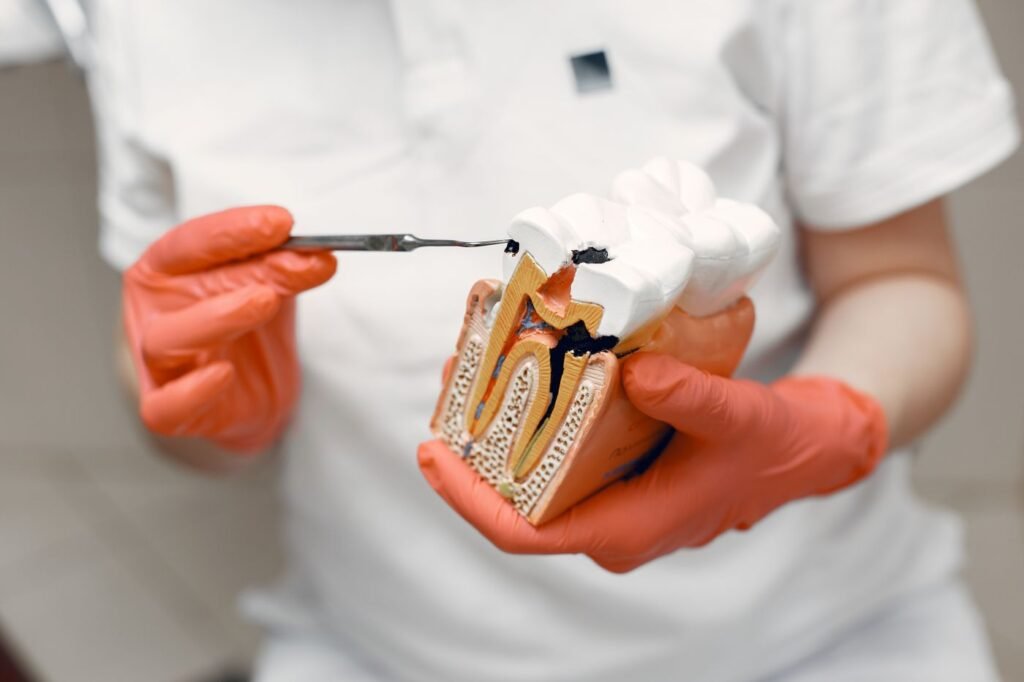
Day-by-Day Recovery Timeline
| Time | What is normal | What to do |
|---|---|---|
| Day 1 | Numbness wears off, mild ache | Soft food, pain relief as advised |
| Days 2 to 3 | Tenderness when biting | Avoid chewing on that side |
| Days 4 to 7 | Most discomfort gone | Return to normal routine |
| Weeks 2 to 4 | Tooth feels normal | Get the permanent crown |
| Months 3 to 12 | Bone heals around root | Follow-up X-ray if advised |
Dental Services That Support Recovery
Recovery Steps at Home
- Take pain relief exactly as recommended.
- Eat soft foods for two or three days.
- Chew on the other side until the crown is placed.
- Brush and floss gently around the tooth.
- Keep the temporary filling intact.
- Attend your crown appointment on time.
Warning Signs During Recovery
- Pain getting worse after day three
- Swelling in the face or gum
- A bite that feels too high
- Lost temporary filling
- Fever or a bad taste
Invisalign vs Braces After a Root Canal
| Point | Invisalign | Braces |
|---|---|---|
| When to start | After the crown is placed | After the crown is placed |
| Look | Clear | Visible |
Choosing the Right Dentist for Follow-Up
Choose a dental clinic in Woodbridge with dentists licensed by the Royal College of Dental Surgeons of Ontario (RCDSO) who provide after-hours contact and follow-up X-rays.
Patient Scenarios
A busy parent back to work the next day
Mild soreness eased by day two, and a Saturday crown visit fit her schedule.
A high bite causing pain
A two-minute adjustment relieved pressure immediately.
Common Mistakes
- Chewing hard food on the treated tooth
- Delaying the crown for months
- Ignoring swelling
- Stopping prescribed antibiotics early
Swelling that spreads, trouble swallowing, or fever needs urgent care. Do not wait for your next appointment.
Myths About Sedation and Kids’ Dentistry
Tips for a Smooth Recovery
- Rest the first evening
- Use a cold compress for swelling
- Avoid smoking
- Keep regular cleanings
Your Recovery, Stage by Stage
General dentist registered with the Royal College of Dental Surgeons of Ontario (RCDSO), practising at Peridot Dental Care in Woodbridge. Last reviewed November 2026. This guide is general information and does not replace an exam with your own dentist.
Most people recover from a root canal faster than they expect. The procedure removes the inflamed or infected tissue that was causing pain, so many patients feel better within a day or two. The tooth does need protection until it is fully restored, though, and knowing what is normal at each stage helps you recover with confidence.
What happens in the first few hours?
Your lip and cheek stay numb for two to four hours. Avoid eating until feeling returns so you do not bite yourself. A dull ache can start as the anaesthetic wears off, and taking the pain relief your dentist recommends before it peaks keeps you comfortable.
How sore will the tooth be in the first week?
Tenderness when biting is common for three to five days because the ligament around the root is inflamed. It usually improves a little each day. Chewing on the other side and choosing softer foods help.
When can I go back to work or exercise?
Most people return to work the same day or the next day. Light exercise is usually fine after a day. Strenuous workouts can wait until throbbing has settled, usually within two or three days.
When is the final crown placed?
For most back teeth, the crown is placed within a few weeks. Until then the tooth has a temporary filling and is more likely to crack, so avoid hard or sticky foods on that side.
How do I know the tooth has healed?
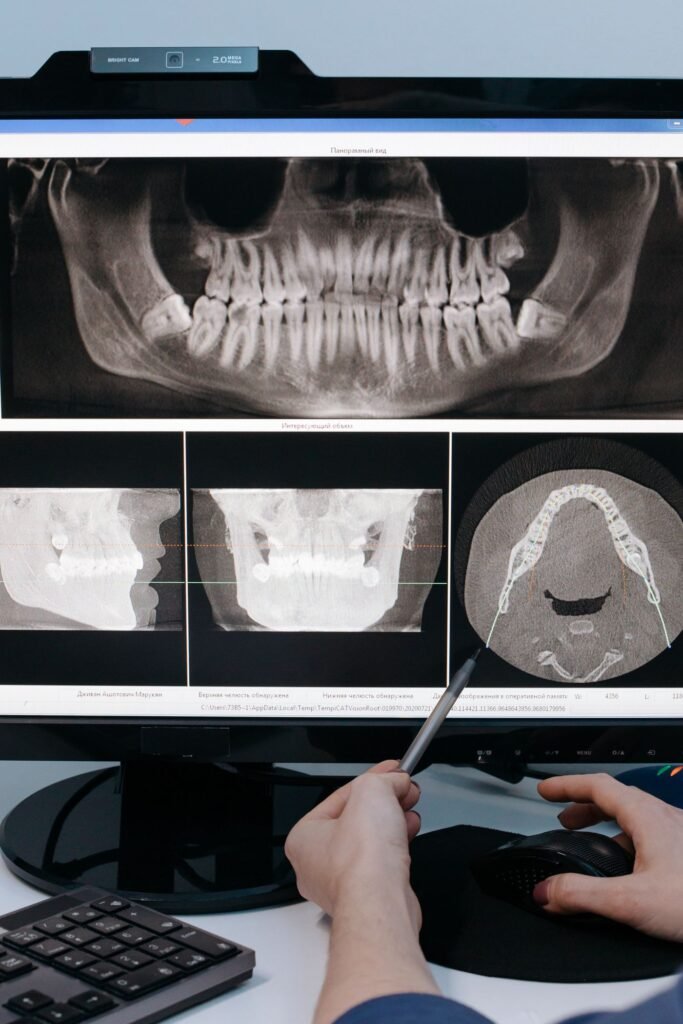
Symptoms usually settle within one to two weeks. Bone healing around the root is slower and is confirmed on a follow-up X-ray, often six to twelve months later, when any dark area at the root tip should be shrinking or gone.
Is it normal for the tooth to feel different?
Yes. The tooth no longer responds to hot or cold, but you can still feel pressure through the surrounding ligament. Many people notice the tooth feels slightly different when they bite for a few weeks.
Root Canal Recovery Timeline
| Time after treatment | What is normal | What helps |
|---|---|---|
| 0 to 4 hours | Numbness, then a mild ache | Wait to eat, take pain relief as advised |
| Days 1 to 3 | Tenderness on biting | Soft foods, chew on the other side |
| Days 4 to 7 | Tenderness fading | Gradually return to normal foods |
| Weeks 2 to 4 | Tooth comfortable | Crown preparation and placement |
| Months 6 to 12 | No symptoms | Follow-up X-ray to confirm healing |
Habits That Speed Recovery
- Keep brushing and flossing the treated tooth gently
- Avoid chewing ice, hard candy, nuts and sticky sweets on that side
- Limit very hot or cold drinks if the area feels sensitive
- Do not delay the crown appointment
- Wear a night guard if you grind your teeth
Pain that is getting worse after the third day, swelling of the face or gum, fever, a bite that feels high, or a temporary filling that falls out. Our emergency dental team can help after hours.
Coverage and the Canadian Dental Care Plan
For eligible patients, the Canadian Dental Care Plan (CDCP) covers root canal treatment, and some crowns are covered with preauthorization. Most private plans include root canals too.
Root Canal Treatment at Peridot Dental Care
Peridot Dental Care is at 6175 Highway 7 West, Unit 7, Woodbridge, and sees patients from Woodbridge, Vaughan, Kleinburg and Maple. Every plan starts with an exam, a clear explanation of your options and a written estimate before treatment begins. You can learn more about our team and read patient reviews on our about page.
Call 647-313-4164 or book an appointment online to talk through your situation with our dentist.
Recovery After Root Canal Retreatment or Surgery
Some teeth need a second root canal, called retreatment, or a small surgical procedure at the root tip called an apicoectomy. Recovery follows a similar pattern but can take a little longer.
What is different about retreatment recovery?
Because the old filling material is removed and the canals are cleaned again, tenderness may last a few days longer than after a first root canal. Healing of the bone around the root is still checked on X-rays over the following months.
What about recovery after root-end surgery?
After an apicoectomy, expect stitches, some swelling and bruising for a few days, and soft foods for about a week. Cold packs on the first day, rest and prescribed pain relief help. Stitches are usually removed or dissolve within a week or two.
Whether it is a first root canal or a retreatment, placing or replacing the crown promptly is the best way to protect the tooth long term.
Frequently Asked Questions
How long does root canal pain last?
Usually one to three days, mild and manageable.
Can I go to work after a root canal?
Most people return the same or next day.
When can I eat normally?
Soft food for a few days, then normal food on the other side until the crown.
Is swelling normal?
Slight gum tenderness is normal; facial swelling is not.
How soon do I need a crown?
Ideally within two to four weeks.
How long does pain last after a root canal?
Most tenderness settles within three to five days. Pain that increases instead of improving should be checked.
Can I drive after a root canal?
Yes, if you only had local anaesthetic. If sedation was used, arrange for someone else to drive you home.
Conclusion
Root canal recovery is usually quick, with mild tenderness for a few days.
A crown and good home care protect the tooth for the long term.
Peridot Dental Care supports you through every step of healing.