
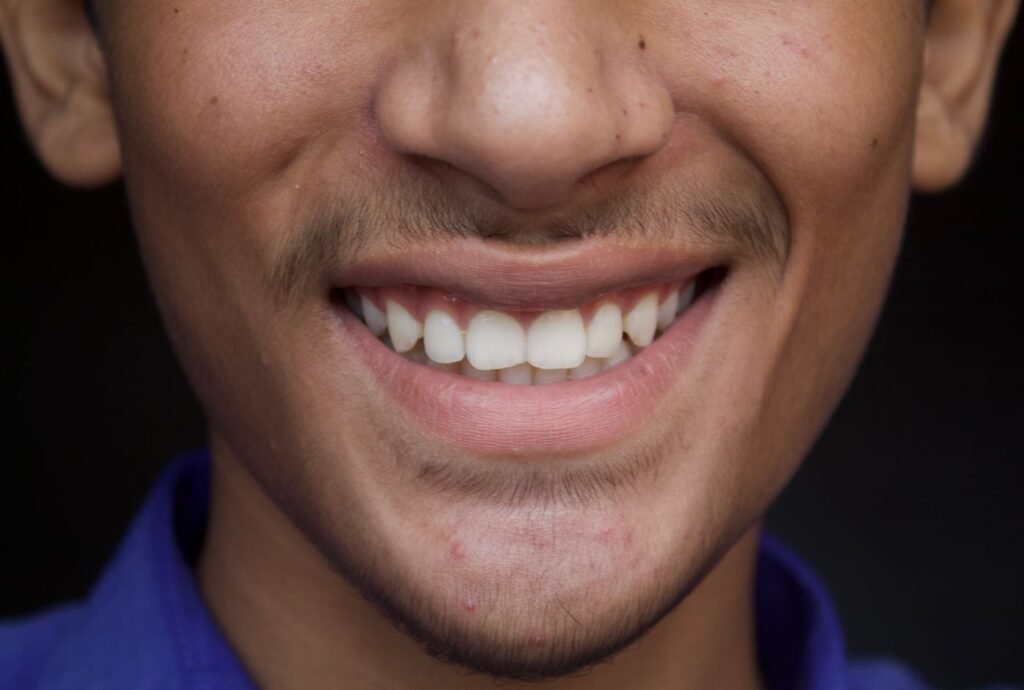
You should brush after using whitening strips only after waiting around 30 minutes, because brushing immediately can wear temporarily softened enamel and increase sensitivity. Rinsing with plain water right after removing the strips clears leftover gel safely. Some tooth sensitivity is a common and temporary side effect, while sharp pain in one tooth may point to a cavity or crack that needs attention from our dentist in Woodbridge.
People often feel conflicted, wanting to clean off the gel but worried about harming their enamel. Others worry their dentist will discourage home whitening entirely. A trusted family clinic offers balanced guidance. You can compare home and in-office options on our tooth whitening page.
If sensitivity is severe, gentle laser dentistry treatments may help some patients.
For teeth that stay discoloured, dental veneers can cover stains permanently.
Peridot Dental Care, 6175 Highway 7 West, Unit 7, Woodbridge, Ontario, holds a 4.9 Google rating from 165+ reviews. New and CDCP patients are welcome, seniors 65+ save 20%, and evening and weekend visits are available. Call +1 647-313-4164 or email info@peridotdentalcare.com.
What Happens to Enamel After Whitening?
Peroxide temporarily dehydrates enamel and opens microscopic pores. Saliva rehydrates and remineralizes the surface within a short time, which is why waiting before brushing helps.
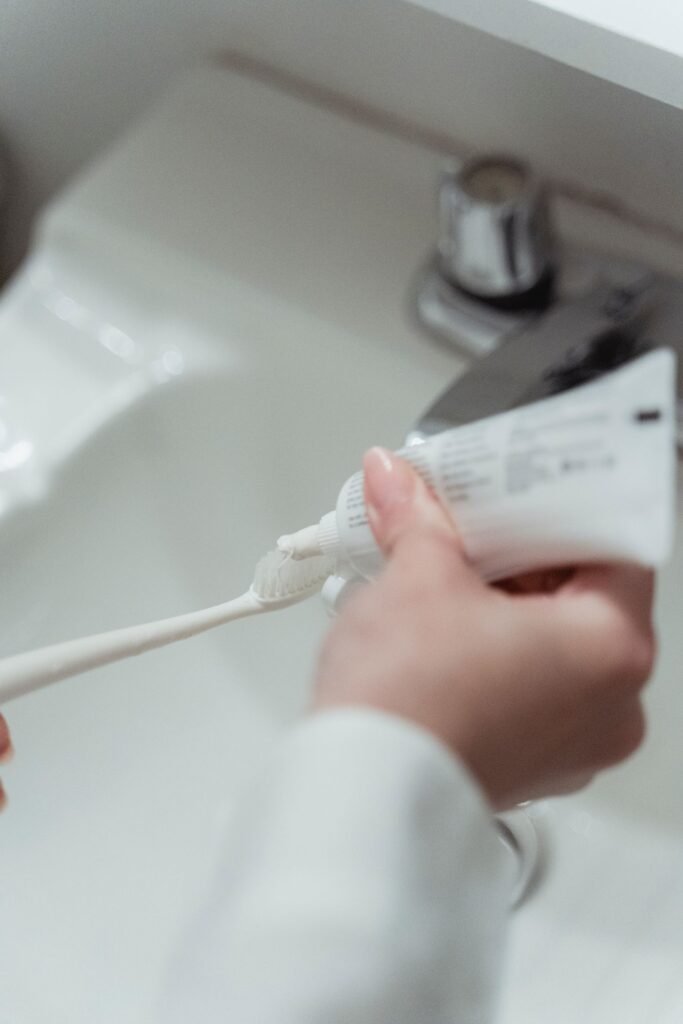
Brushing Right Away vs Waiting
| Action | Effect |
|---|---|
| Brush immediately | More abrasion on softened enamel, more sensitivity |
| Rinse with water | Removes gel safely |
| Wait 30 minutes then brush | Gentle cleaning with less risk |
| Use sensitivity toothpaste | Reduces discomfort |
Tips to Reduce Sensitivity
- Use toothpaste with potassium nitrate
- Shorten strip wear time
- Skip a day between sessions
- Avoid very cold drinks after whitening
Dental Services Available
Step-by-Step After-Strip Routine
- Remove strips carefully.
- Rinse with plain water.
- Wait 30 minutes.
- Brush with a soft brush and fluoride toothpaste.
- Avoid staining foods for a few hours.
Signs Something Is Wrong
- Sharp pain in one tooth
- Gum burns or white patches
- Sensitivity that lasts more than a week
Invisalign vs Braces and Whitening
| Point | Invisalign | Braces |
|---|---|---|
| Whiten during treatment | Possible | Usually after |
| Look | Clear | Visible |
Choosing a Dentist
Choose a dental office in Woodbridge with dentists licensed by the Royal College of Dental Surgeons of Ontario (RCDSO) who checks for problems before whitening.
Patient Scenarios
Brushing too soon
Waiting 30 minutes and switching toothpaste reduced sensitivity.
Pain in one tooth
A small cavity was found and filled before whitening continued.
Common Mistakes
- Brushing immediately
- Using hard bristles
- Whitening too often
Do not whiten over untreated cavities or gum disease. See a dentist first.
Myths About Sedation and Kids’ Dentistry
Prevention Tips
- Keep regular cleanings
- Limit staining drinks
- Use fluoride toothpaste
The 48 Hours After Whitening Strips
General dentist registered with the Royal College of Dental Surgeons of Ontario (RCDSO), practising at Peridot Dental Care in Woodbridge. Last reviewed November 2026. This guide is general information and does not replace an exam with your own dentist.
Brushing gently after strips is fine. What many people overlook is the next two days. Enamel is slightly more porous right after peroxide whitening, so what you eat, drink and brush with during this window has the biggest effect on how bright your result stays.
Why are teeth more stain-prone right after whitening?
Peroxide gel draws moisture out of the enamel and opens up its microscopic structure for a short time. Saliva gradually rehydrates and remineralizes the surface over the following hours to a couple of days. During that window, strongly coloured foods and drinks can settle into the enamel more easily, which is why dentists often suggest a lighter diet for a day or two.
What can I eat and drink during the first 48 hours?
| Choose more often | Limit for 48 hours | Why |
|---|---|---|
| Water, milk, clear drinks | Coffee, black tea, cola | Dark pigments and acids |
| Chicken, fish, tofu, eggs | Tomato sauce, curry, soy sauce | Strong colours stain |
| Rice, pasta, bread, potatoes | Berries, beets, cherries | Deep natural pigments |
| Bananas, apples, pears | Citrus and vinegar dressings | Acids soften enamel |
| Plain yogurt, cheese | Red wine | Colour plus acid |
What if I cannot skip my morning coffee?
Have it lukewarm rather than hot, drink it through a straw if possible, and rinse with water straight after. Adding milk reduces the colour a little. Then wait about 30 minutes before brushing, since coffee is slightly acidic.
Does brushing after a dark drink remove the stain?
It removes some surface film, but brushing straight after acidic drinks can wear softened enamel. Rinse with water first, wait a while, then brush gently. Prevention through what you choose to drink is more effective than scrubbing afterwards.
Reading the Toothpaste Label
The toothpaste you use after strips matters more than the brand name. These ingredients are the ones worth knowing.
- Fluoride (sodium fluoride, stannous fluoride, sodium monofluorophosphate): Strengthens enamel and helps it remineralize after whitening.
- Potassium nitrate: Calms the nerve response and reduces sensitivity over a couple of weeks of regular use.
- Stannous fluoride: Helps with sensitivity and gum health, and can occasionally cause light surface staining in some people.
- Hydrated silica and other abrasives: Remove surface stain. Higher amounts in whitening pastes can be too harsh right after a strip session.
- Charcoal: Often very abrasive with little evidence of whitening. Best avoided.
Making Your Whitening Last for Months
Health Canada notes that home whitening results are not permanent and may last up to about six months. These habits help you stay at the longer end of that range.
- Brush twice daily with a fluoride toothpaste and clean between your teeth once a day.
- Rinse with water after coffee, tea, wine or curry.
- Use a straw for iced coffee and dark soft drinks.
- Keep up professional cleanings, which polish off new surface stain.
- Use a whitening toothpaste once or twice a week between courses, not right after strips.
- Plan short touch-ups rather than repeating full courses too often.
Strips will not lighten crowns, veneers, fillings or dentures. If you have front restorations, they may look darker once your natural teeth are whiter.
When Brushing Is Not Enough
If your teeth still look yellow or patchy after a full course, the cause may not be surface stain. Yellowing from thinning enamel, grey discolouration from old medications, and a single dark tooth after an injury all respond poorly to strips. A professional cleaning, in-office whitening, internal bleaching of a root-treated tooth, bonding or veneers may be better options. An exam helps you avoid buying more strips that will not change the result.
Take a photo in daylight before you start, and another two weeks after you finish, in the same spot and light. It is the most honest way to see how much your teeth changed.
Signs to Stop and Call Us
- Sensitivity that lasts more than two or three days after you stop.
- Pain in one tooth rather than general sensitivity.
- Gums that stay white, sore or swollen.
- Bleeding when you brush that did not happen before.
- A filling or crown edge that feels rough after whitening.
Coverage and the Canadian Dental Care Plan
Whitening is cosmetic and is excluded from the Canadian Dental Care Plan (CDCP) and most private plans. The CDCP does cover exams, cleanings and fillings for eligible members, with a co-payment depending on family income, so a checkup before whitening may be covered.
Whitening Advice at Peridot Dental Care
Peridot Dental Care is at 6175 Highway 7 West, Unit 7, Woodbridge, and sees patients from Woodbridge, Vaughan, Kleinburg and Maple. Every plan starts with an exam, a clear explanation of your options and a written estimate before treatment begins. You can learn more about our team and read patient reviews on our about page.
Call 647-313-4164 or book an appointment online to talk through your situation with our dentist.
See our teeth whitening options, book a professional cleaning, explore cosmetic dentistry, or read our guide on brushing after whitening strips in special situations.
Strips, Trays or In-Office: Which Is Right for You?
Are strips enough for most people?
Strips work well for mild, even yellow staining on straight teeth. They are less effective on crowded teeth, where the strip cannot touch every surface, and on deeper or grey stains.
When do custom trays make more sense?
Custom trays made from a scan of your teeth hold whitening gel evenly against every tooth and keep it off the gums. They suit people with crowding, those who want to touch up regularly, and people who found strips irritating.
When is in-office whitening worth considering?
In-office whitening uses a stronger gel with full gum protection and gives a faster change in one visit. It suits people who want a noticeable result before an event, followed by trays for maintenance.
- Strips: mild stains, straight teeth, occasional use.
- Trays: crowding, regular touch-ups, sensitive gums.
- In-office: fast results, supervised, often combined with trays.
Two minutes with a soft brush is plenty after whitening strips. Brushing longer or harder does not remove more stain, but it can irritate gums that are already tender from the gel and wear the enamel surface over time.
Frequently Asked Questions
Is it bad to brush right after strips?
It can increase sensitivity, so wait about 30 minutes.
Can I rinse instead?
Yes, rinsing with water is safe right away.
Which toothpaste is best after whitening?
A gentle fluoride or sensitivity toothpaste.
Does brushing reduce whitening results?
No, gentle brushing after waiting is fine.
Should I floss after strips?
Yes, flossing is safe.
Can I drink coffee after whitening strips?
It is best to avoid it for about 48 hours. If you cannot, drink it lukewarm through a straw and rinse with water afterwards.
Which toothpaste should I use after whitening strips?
A fluoride toothpaste, ideally a sensitivity formula with potassium nitrate if your teeth feel tender. Save whitening toothpaste for days between courses.
Conclusion
Rinse right after whitening strips and wait about 30 minutes to brush.
Gentle products reduce sensitivity and protect enamel.
Peridot Dental Care helps you whiten safely and comfortably.