
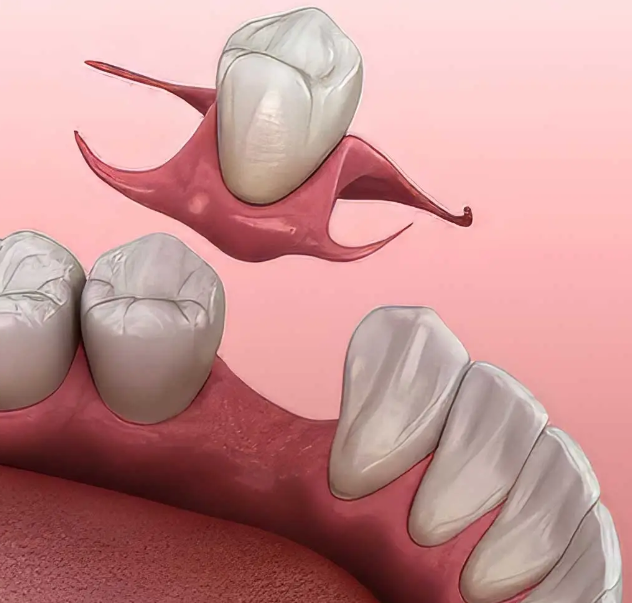
A single tooth partial denture is a removable dental appliance designed to replace one missing tooth. It attaches to adjacent natural teeth for stability and functionality.
Single tooth partial dentures serve as effective solutions for individuals missing a single tooth, enhancing both appearance and oral function.
These devices typically consist of an artificial tooth mounted on a gum-colored base, ensuring a natural look. They are ideal for those who may not qualify for dental implants or prefer a less invasive option.
The denture usually clips onto nearby teeth using metal clasps, providing a secure fit. Regular dental visits ensure proper adjustments and maintenance.
Understanding the benefits and fitting process can help individuals make informed decisions about their dental health.
The Role Of Single Tooth Partial Dentures
Single tooth partial dentures play a vital role in maintaining oral health. They help to prevent shifting of remaining teeth. This shifting can lead to serious issues over time.
One major benefit is improved chewing ability. With a partial denture, eating becomes easier and more enjoyable. It helps maintain a balanced diet.
Another advantage is the prevention of bone loss. Missing teeth can cause jawbone deterioration. A partial denture supports the jawbone, keeping it healthy.
Cosmetically, these dentures enhance smile appearance. They fill gaps where teeth are missing. This leads to increased self-confidence when smiling.
Overall, single tooth partial dentures are essential for both oral health and cosmetic improvement.
Types Of Single Tooth Dentures
Single tooth partial dentures come in various materials. Common options include acrylic, metal, and flexible materials. Each material has unique benefits.
Acrylic is often used for its affordability and lightweight feel. Metal dentures provide durability and strength. Flexible dentures offer comfort and a natural look.
There are two main types: removable and fixed options. Removable partial dentures can be taken out easily. They are ideal for those who prefer flexibility.
Fixed partial dentures are permanently attached. They provide a stable solution for tooth replacement.
| Type | Material | Benefits |
| Removable | Acrylic | Lightweight, cost-effective |
| Removable | Flexible | Comfortable, natural appearance |
| Fixed | Metal | Durable, stable |
Comparing Costs And Durability
The cost of a single tooth partial denture can vary widely. Several factors influence these costs.
The type of material used plays a significant role. Acrylic, metal, and flexible options exist. Each has its own price point.
Durability is essential for any dental solution. Acrylic dentures may last around 5 to 7 years.
Metal options often have a longer lifespan, lasting up to 10 years or more. Regular maintenance is crucial for extending their life. Cleaning them daily helps prevent damage.
Procedure Insights
The initial consultation is crucial for creating a single tooth partial denture. During this visit, the dentist assesses the mouth and discusses options.
X-rays may be taken to understand the underlying structure better. This step ensures a tailored approach for each patient.
The custom fitting process involves taking precise impressions of the mouth. This helps in crafting a denture that fits comfortably.
Adjustments may be needed during follow-up visits. The goal is to ensure the denture feels natural and secure.
Timeline expectations vary based on individual needs. Typically, the entire process can take a few weeks.
Patients can expect several appointments for fittings and adjustments. Staying in touch with the dentist ensures a smooth experience.
Attachment Mechanisms
Metal clasps are a common choice for attaching single tooth partial dentures. They provide a strong hold, ensuring the denture stays secure during daily activities.
These clasps wrap around nearby teeth, offering stability and support.
Non-metal alternatives also exist, catering to various patient needs. Materials like acrylic or flexible nylon are popular choices.
These options are often more comfortable and less visible than metal clasps. They can also be easier to adjust, making them suitable for many users.
Living With A Partial Denture
Living with a partial denture can be easy with some practice. Eating may feel strange at first. Start with soft foods and chew slowly.
Gradually, you can return to your normal diet. Speaking might also change initially. Practice speaking out loud to adjust to the denture.
Cleaning your partial denture is essential. Rinse it after meals to remove food particles. Use a soft brush and mild soap daily.
Avoid using regular toothpaste, as it can scratch the surface. Soaking your denture in a cleaning solution overnight is also helpful.
Remove your partial denture at night to give your gums a break. Always handle it gently to avoid damage.
If you feel discomfort or notice changes, consult your dentist for advice. Regular check-ups ensure your denture fits well and stays in good condition.
Potential Complications
Managing discomfort is important when using a single tooth partial denture. Patients may feel soreness initially. This can occur due to improper fit or movement. Regular adjustments by a dentist can help reduce discomfort.
Using over-the-counter pain relief can also be effective. Rinsing with warm salt water may provide soothing relief as well. Always follow your dentist’s advice for optimal comfort.
Avoiding oral problems is crucial for denture wearers. Regular dental check-ups help in monitoring the fit and condition of the denture.
Good oral hygiene practices are essential. Brush both natural teeth and the denture daily.
Consider using a soft-bristle toothbrush and non-abrasive cleaner. Avoid hard or sticky foods that may cause damage. Staying hydrated helps maintain saliva flow, which is beneficial for oral health.
Alternatives To Single Tooth Dentures
Dental implants are a popular alternative to single tooth dentures. They provide a permanent solution. Implants look and feel like natural teeth. However, they require surgery and can be expensive.
Bridges are another option. They use adjacent teeth for support. Bridges are less invasive than implants. Yet, they may require altering healthy teeth. This can lead to complications.
| Option | Pros | Cons |
| Dental Implants | Permanent, Natural look | Expensive, Requires surgery |
| Bridges | Less invasive, Quick to install | May harm healthy teeth, Less durable |
Who a Single Tooth Partial Suits Best
General dentist registered with the Royal College of Dental Surgeons of Ontario (RCDSO), practising at Peridot Dental Care in Woodbridge. Last reviewed November 2026. This guide is general information and does not replace an exam with your own dentist.
A single tooth partial is not just a budget option. For some people it is the most sensible choice at a particular stage of life or health. These examples show where it fits well.
Teens waiting for an implant
Implants are usually delayed until jaw growth has finished, often in the late teens or early twenties. A teen who lost a front tooth in a sports injury, or who was born without an adult tooth, may wear a small partial for several years. It is easy to remake as the mouth changes, and it keeps the space open for a future implant.
Adults healing after an extraction
After a tooth is removed, the gum and bone change for several months. A single tooth partial covers the gap during healing and while you decide on a bridge or implant. A design that does not press on the extraction site lets it heal well.
Seniors who prefer to avoid surgery
Some older adults would rather not have implant surgery or have health conditions that make it riskier. A well-made partial, often with a cast metal frame for a back tooth, can be a comfortable long-term answer.
People with certain medical conditions
Patients taking some bone medications, those who have had radiation to the jaws, or people with poorly controlled diabetes may be advised against implant surgery. A partial avoids surgery entirely.
| Situation | Usual material | Expected role |
|---|---|---|
| Teen with a missing front tooth | Acrylic or flexible | Temporary, remade as needed |
| Adult after recent extraction | Acrylic | Short term during healing |
| Senior replacing a back tooth | Cast metal | Long term |
| Front gap, metal clasps unwanted | Flexible | Medium term |
| Medical reasons to avoid surgery | Cast metal or flexible | Long term |
Choosing Material: A Quick Checklist
- How long will you wear it: months or years?
- Is the tooth at the front, where clasps would show?
- How strong are the neighbouring teeth?
- Do you have any metal allergies?
- Might you lose another tooth later and want to add it?
Plaque trapped under clasps can cause decay on healthy teeth. Brush them carefully and keep regular hygiene visits.
How do I know it is time to replace my partial?
- It rocks or lifts when you chew.
- Clasps no longer grip even after adjustment.
- The acrylic has cracked or been repaired more than once.
- Food packs under it after most meals.
- A supporting tooth has become loose or sore.
Coverage and the Canadian Dental Care Plan
The Canadian Dental Care Plan (CDCP) covers removable partial dentures for eligible members, some with preauthorization, along with relines and repairs within frequency limits. Implants and fixed bridges are excluded. A co-payment may apply depending on family income. ODSP covers partial dentures for the recipient and spouse.
Single Tooth Partials at Peridot Dental Care
Peridot Dental Care is at 6175 Highway 7 West, Unit 7, Woodbridge, and sees patients from Woodbridge, Vaughan, Kleinburg and Maple. Every plan starts with an exam, a clear explanation of your options and a written estimate before treatment begins. You can learn more about our team and read patient reviews on our about page.
Call 647-313-4164 or book an appointment online to talk through your situation with our dentist.
See our denture services, learn how a single tooth denture stays in, compare a dental flipper and a partial denture, or read about dental implants.
Frequently Asked Questions
Can teenagers wear a single tooth partial?
Yes. It is a common way to replace a missing tooth until jaw growth finishes and an implant can be considered.
Is a single tooth partial a good long-term option?
It can be, especially with a cast metal design for back teeth and regular checkups.
Will a partial damage my other teeth?
Not if it is well designed and you clean the clasped teeth carefully every day.
Can I sleep with a single tooth partial?
Most dentists recommend removing it at night to rest the gums and avoid swallowing a small appliance.
How often does it need adjusting?
Expect a few adjustments early on, then checks at each recall visit and relines as gums change.
Does the CDCP cover a single tooth partial?
Yes, removable partial dentures are covered for eligible members.
Can I switch to an implant later?
Yes. Many people wear a partial while they plan or save for an implant.
Can A Partial Denture Attach To Just One Tooth?
Yes, a partial denture can attach to just one tooth. It typically uses metal clasps or other mechanisms for secure attachment.
This solution is effective for replacing a single missing tooth while maintaining functionality and aesthetics.
How Does A Single Tooth Denture Stay In?
A single tooth denture stays in place by clipping onto adjacent natural teeth using metal clasps. This secure attachment allows for easy removal while providing stability during eating and speaking.
The denture base often matches the color of the gums for a natural appearance.
What Does A 1 Tooth Denture Look Like?
A 1 tooth denture, also known as a single tooth partial denture, resembles an artificial tooth attached to a gum-colored base.
It often features metal clasps for stability, securely fitting around adjacent natural teeth. This design ensures functionality while maintaining a natural appearance.
How Long Does It Take To Make A Partial Denture For One Tooth?
Creating a partial denture for one tooth typically takes about one month. This timeframe includes consultations, fittings, and adjustments to ensure a proper fit and comfort.
Always consult with your dentist for specific timelines related to your case.
Conclusion
A single tooth partial denture can significantly improve your oral health and confidence. By filling gaps left by missing teeth, it enhances both functionality and appearance.
Regular dental check-ups ensure a proper fit and maintenance. Embracing this solution can lead to a happier, healthier smile.
Explore your options today for optimal results.
Next step: see how we provide dentures at Peridot Dental Care in Woodbridge, and book a consultation when you are ready.